The Lemon Tree
  • Home
  • About
    • Work with Me
    • Partners
  • Blog
  • Books
  • Photo Gallery
    • Photo Journey
  • Contact

a feel good travel blog

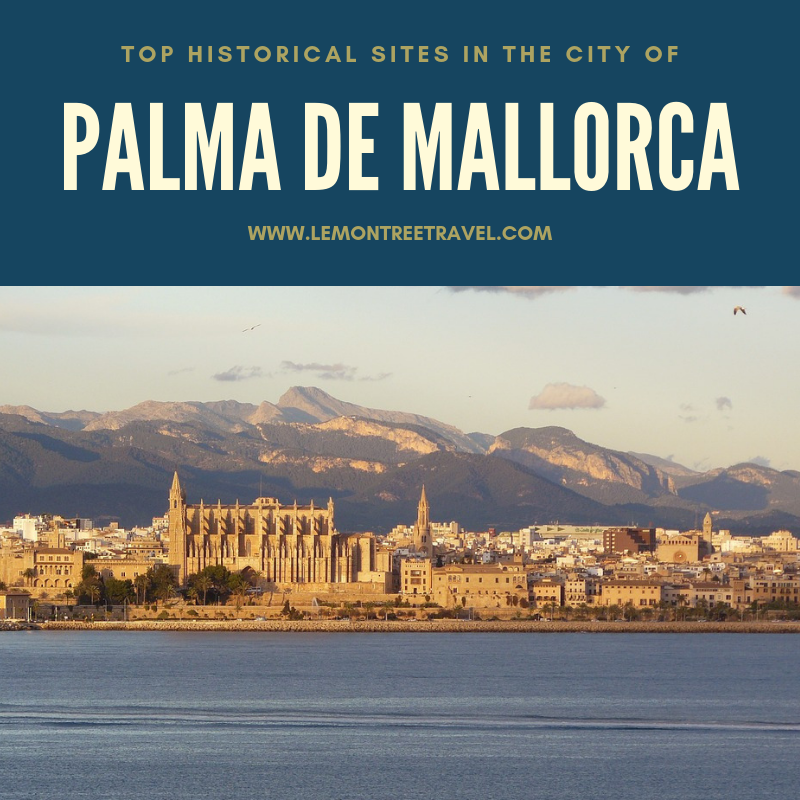
Top Historical Sites in the City of Palma de Mallorca

4/14/2019

8 Comments

 
Picture
The city of Palma is the only major city in the Baeleric Islands. As the capital city, Palma features a variety of historical places, landmarks and cathedrals to explore it's Roman, Moorish and Christian roots. The name Palma dates back to it's Roman settlements, though humans have settled on this land since the Bronze Age. Throughout the centuries, Palma switched hands between Arabic and Catholic rulership, but today, is a tourist city dotted with modern cafes, hotels and shops residing within ancient architecture. When visiting Palma, discover it's ancient history at one of these many places, museums and landmarks. 
Picture
Picture
Picture
Picture
La Seu - Mallorca Cathedral
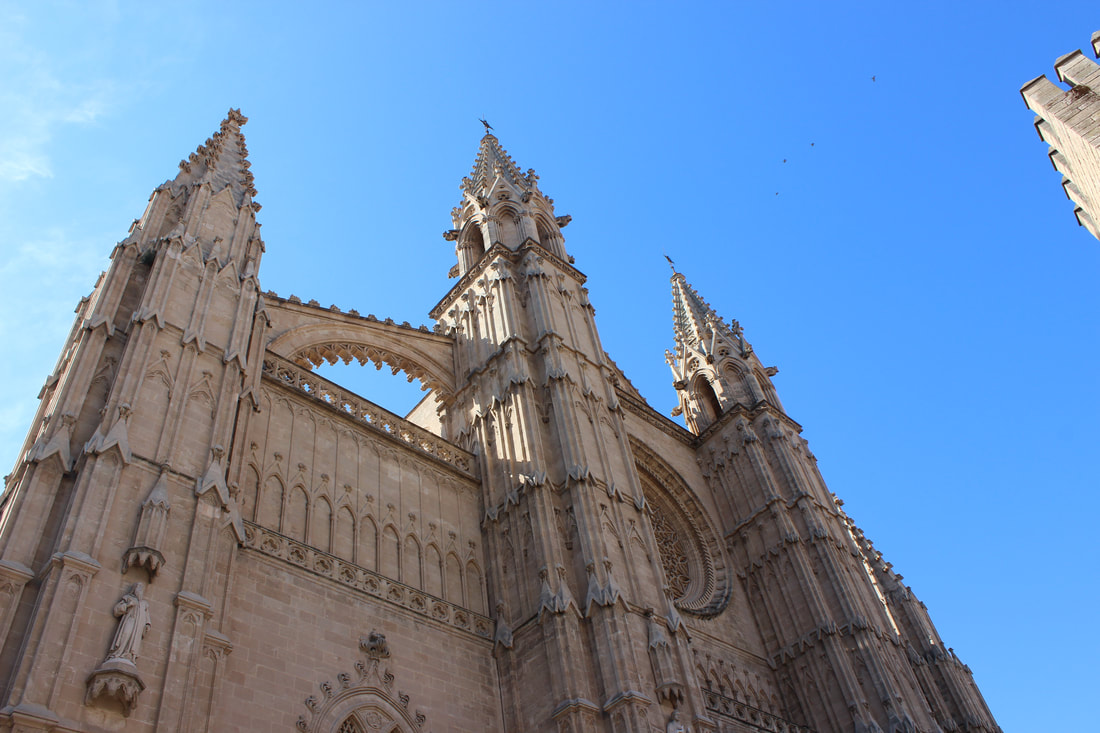
The foundational stones were placed in 1229, which transformed from mosque to cathedral. 
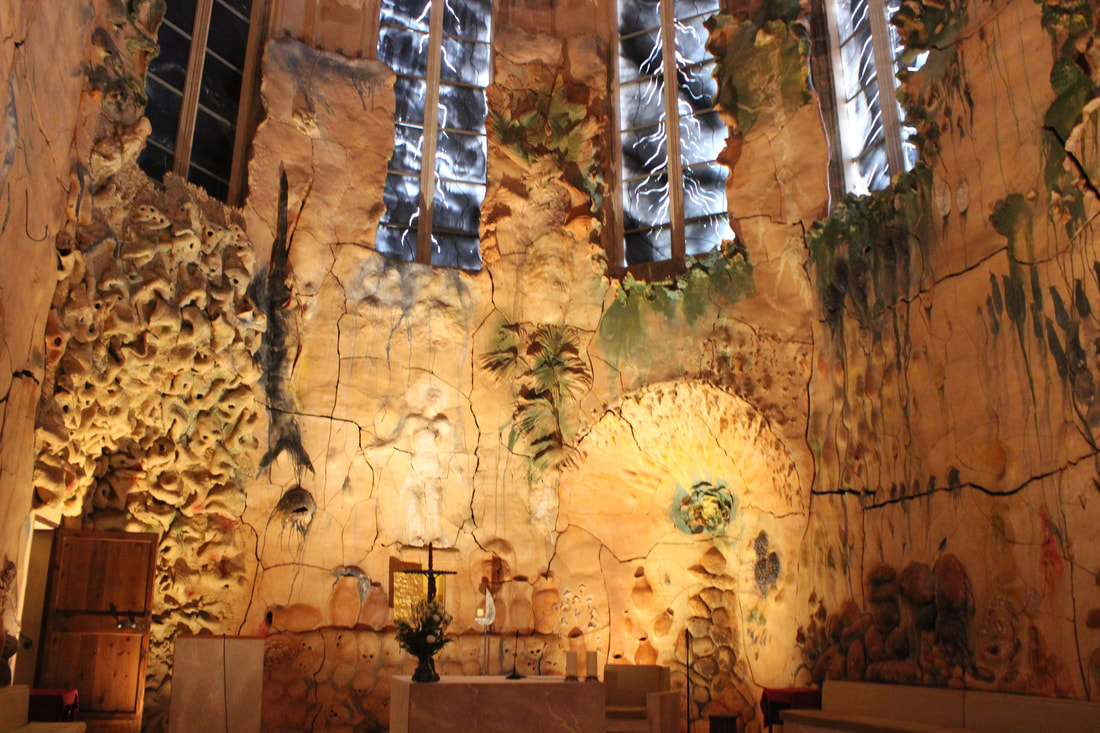
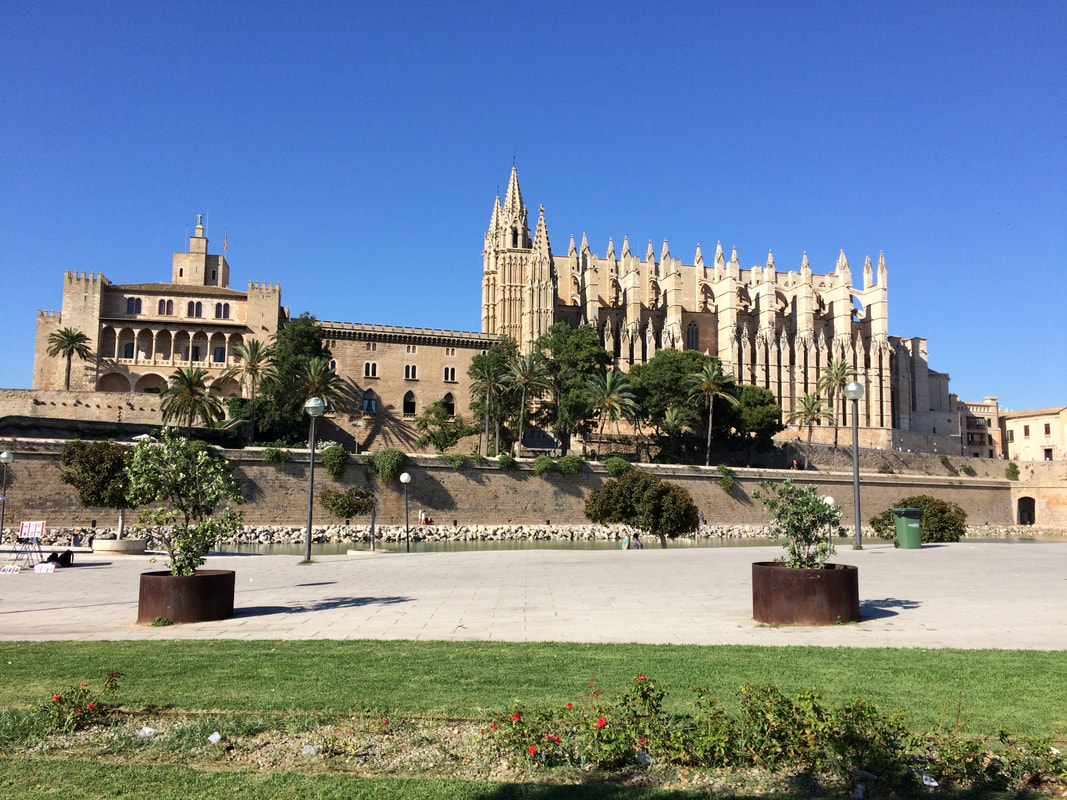
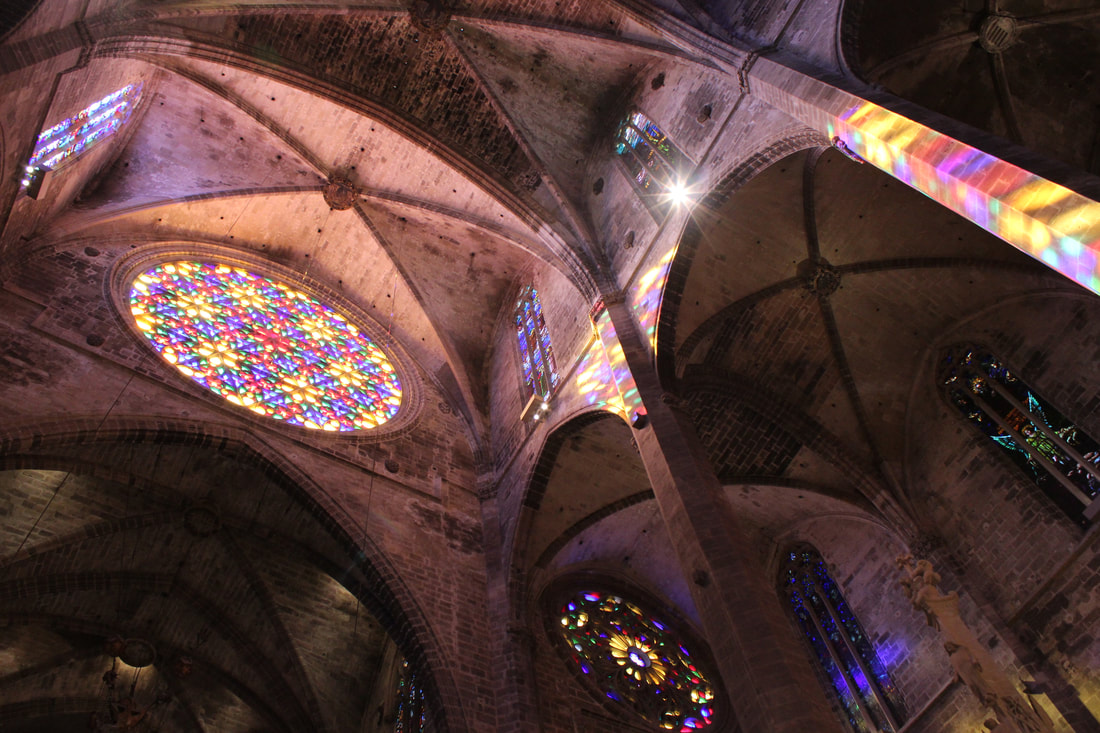
This Levantine Gothic jewel that overlooks the sea, this magnificent structure’s construction began in 1230, replacing a former mosque. The interior is as splendid and spectacular as the exterior. Inside, explore a variety of historic paintings, each with a story of its own. Enjoy the sunlight that moves through the stained-glass windows, which was once a method used of telling time. In 1904, Gaudi refurbished the chapel, to what I consider to look like creepy, demonic artwork, but hey it’s different. Inside guests also discover the tombs of Mallorca’s past Kings, James II and James III.  Entry fee: 4 euros
Picture
Picture
Picture
Banys Arabs (Arabic Baths)
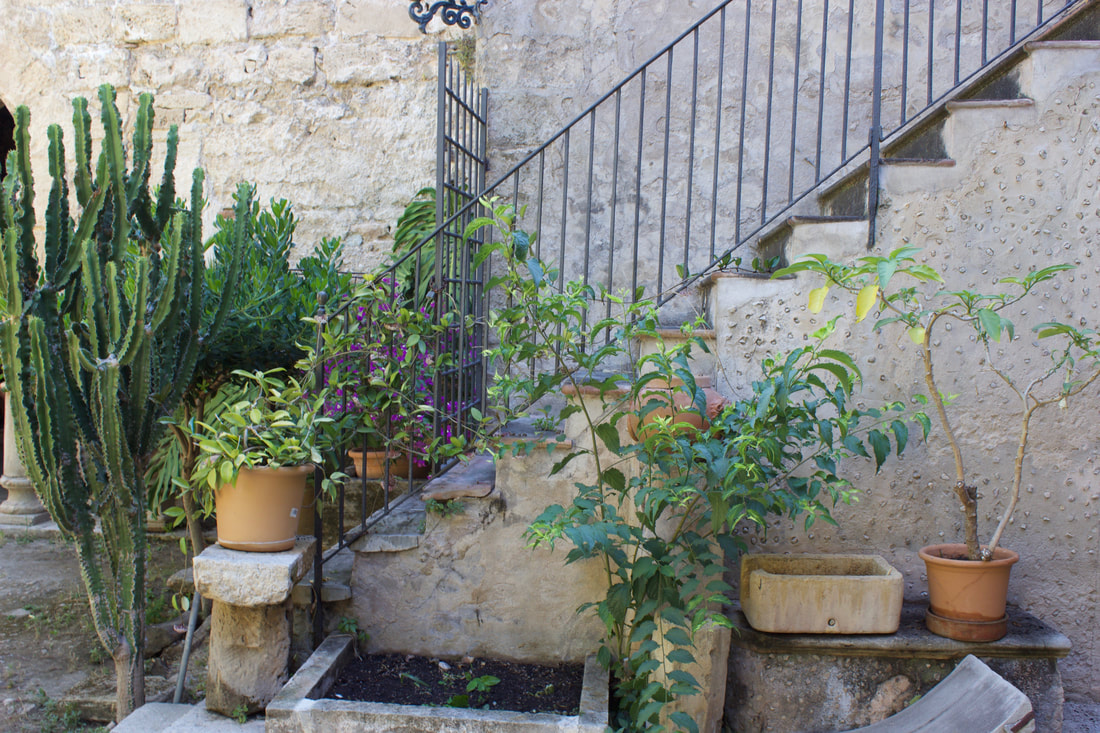
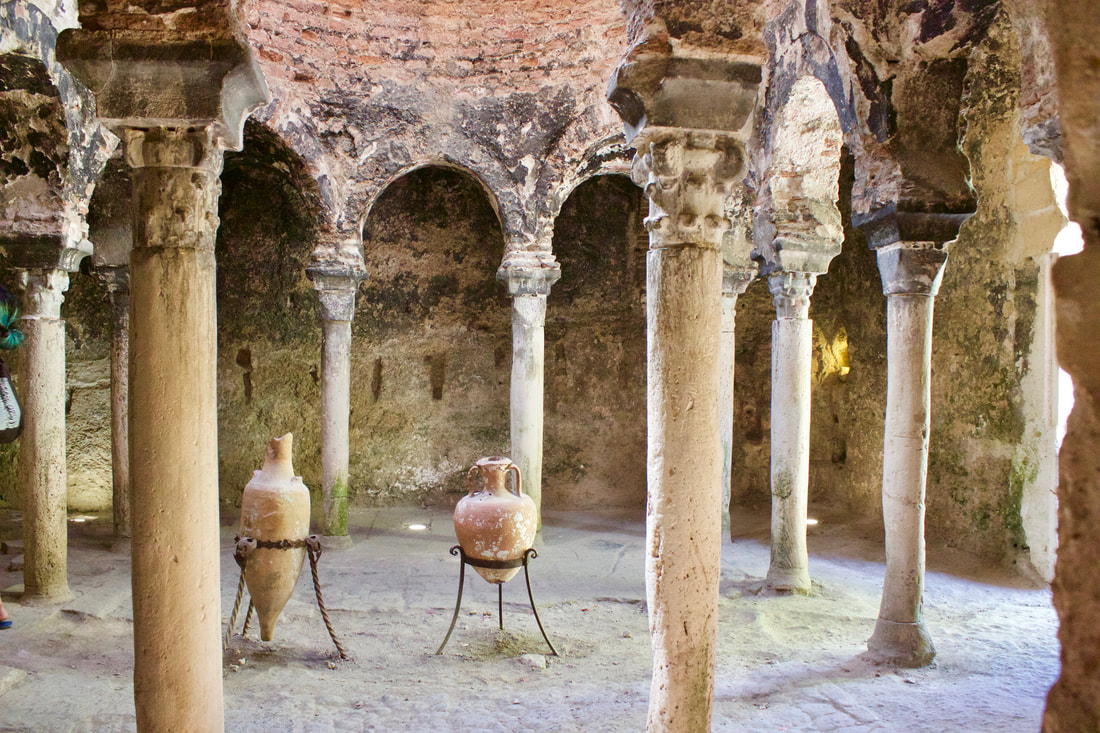
This is one of the most magical places to explore in Palma. Cute, quiet and serene, discover a lush garden of lemon trees and Balearic flowers planted amidst the four walls of this ancient bathhouse. Located in the medieval quarter of the city, Banys Arabs is the only remaining Moorish building in the Palma. Built in the 10th Century, all that survives are two underground chambers, one of which contains capitals recycled from demolished Roman buildings.
Bellver Castle
This Gothic-stlye caste is set on a hill three kilometers west of city center. The castle's foundation is circular, which is one of the few circular designs in Europe. A rarity in design, Bellver was built in the 14th Century for King James II. The castle survived two sieges, during the years of 1343 (Peter IV of Aragon's campaign to reincorporate Majorcan terrifies to the Aragon reign) and 1391 (anti-semitic peasant revolt). Today, the castle is home to the city's history museum. 
Picture
Museo de Mallorca
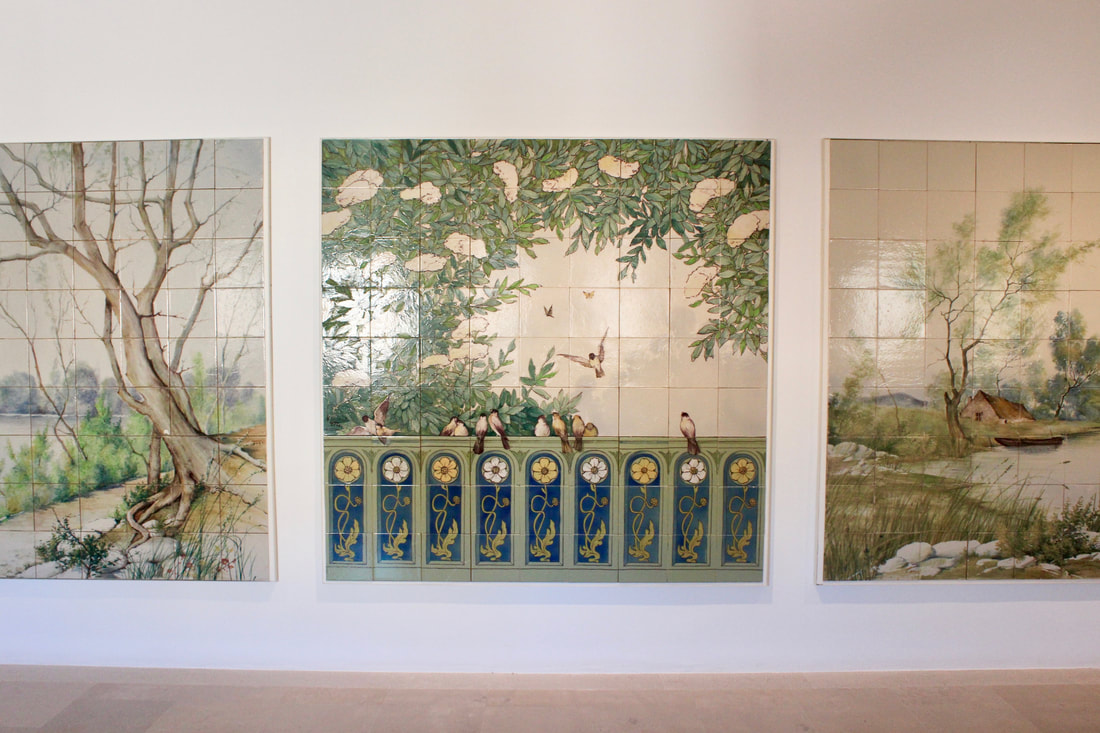
Discover the historical and ancient roots of this island nation at the Mallorca Museum. Located in a 16th-century mansion popularly known as "Casa de la Gran Cristiana,” explore a variety of Gothic panels, Moorish ceramics, weapons, paintings and furniture.​

Visit an Ancient Olive Tree in Placa de Cort
Located in Old Town, nearby Town Hall, is an attractive square that features an extremely large and oversized olive tree. The trunk wraps in various directions, similar to a labyrinth. Some sources claim the tree is 600 years old, where others state 800 – either way the tree is a finca, Pedruixella Petit, from the Pollensa area of the Sierra Tramuntana. It lived there for five or six hundred years before transplanted to Mallorca. ​
Palau de l'Almudaina
​Discover what used to the be home of 13th Century Mallorcan rulers. This royal palace is adjacent to the Palma Cathedral and was built after the conquest of the Arabs. Jaume II converted this into Gothic style, but elements of Moorish "touch" still remains. Inside, discover bygone era charms of what rooms used to look like, which are decorated with historical tapestries, rugs, furniture and paintings. Outside visitors lounge in the 
S'Hort del Rei gardens and enjoy rows of water fountains set amidst the manicured lawn.  

Can Joan de S'Aigo Cafe
Dating back to the 18th Century, this 200 year old café is the oldest ice cream parlour Palma. If ice cream is not your thing, be sure to taste test an ensaimada or for the savory at heart, try a Mallorcan flatbread known as Coca de trampó.

Far de Portopí Lighthouse
Believe it or not, this is the world's third oldest operating lighthouse. This revitalized port features a variety of restaurants, a yacht club and shopping mall. The lighthouse is the main historic attraction, and everything else is modern. There are records of shipping to Port de Palma before Muslim conquest (902-1229) to Portopi and La Cala. 

Port de Palma
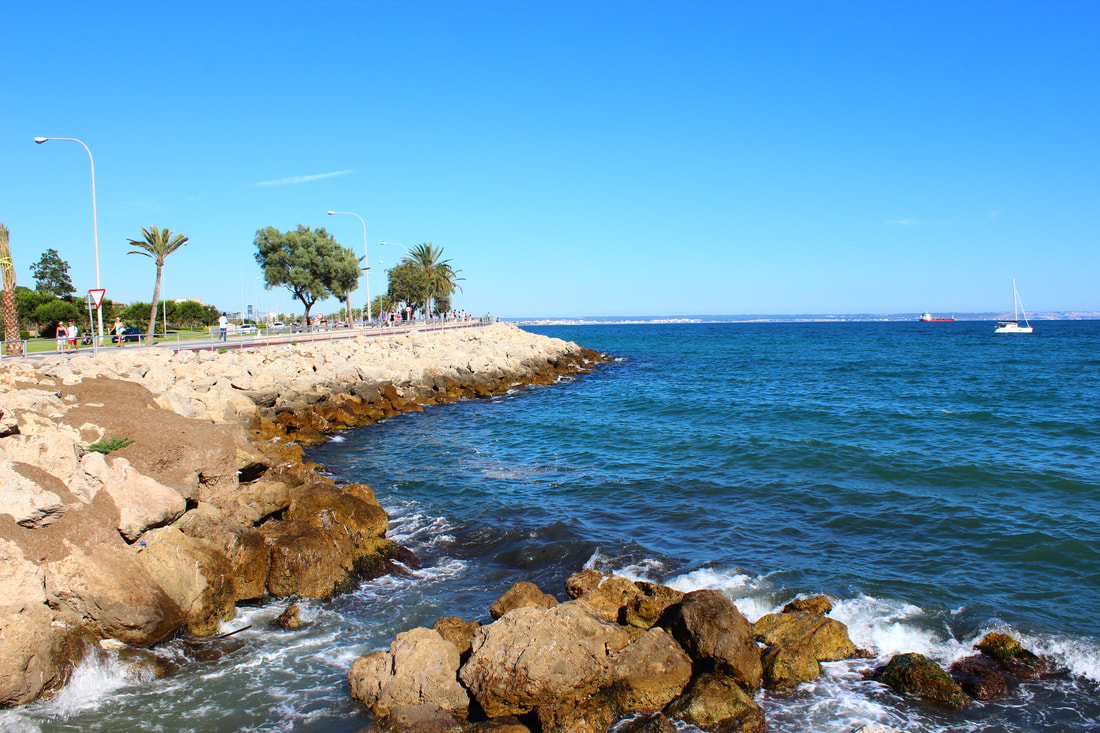
Port de Palma is the largest of the five Balearic ports, and situated on the seaside connecting to the streets of Palma's Old Town. The port is separated into four sections: the commercial docks, the Poniente Quays, the marina docks and the West Breakwater and welcomes cargo and recreational ships. 
Picture
What's your favorite historical place to visit in Mallorca? 

Let's Connect! 

This Lemon Tree article is now featured on GPSmyCity
.  To download this article for offline reading or travel directions to the attractions highlighted in this article, go to Top Historical Sites in the City of Palma de Mallorca.
8 Comments

8 Things You Must Do When Visiting Hannover

4/9/2019

0 Comments

 
Picture
Hannover is not Germany's most popular tourist destination, but it is getting it's name on the map. With so many affordable things to do and see, it is impossible to discover Hannover in one to two days. If you're  looking for a mix of history and natural outings, these are some of the best things to do and see while visiting Hannover. 
Picture
Picture
Picture
Picture
Explore the Rathaus
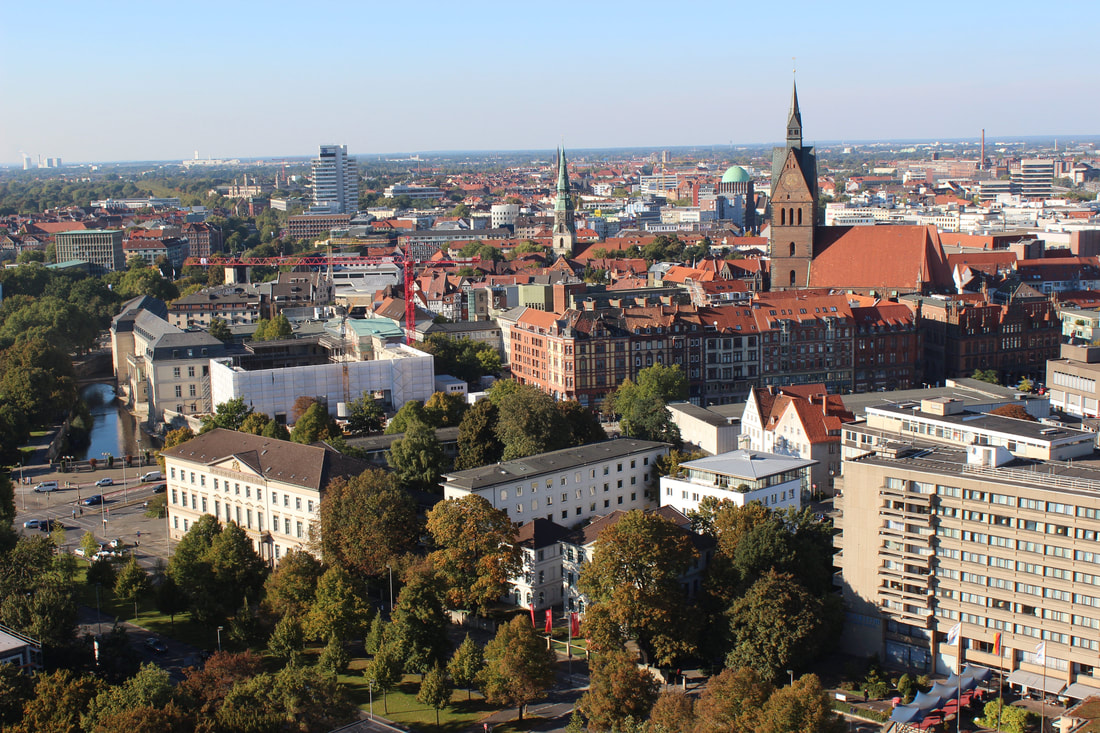
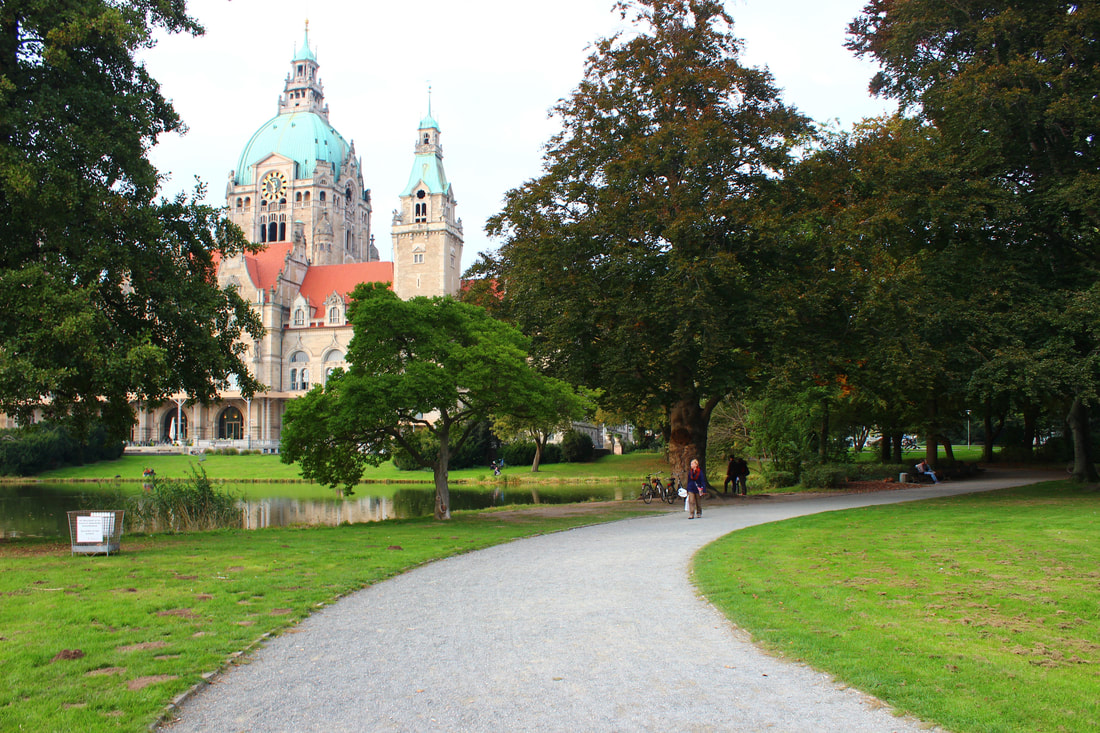
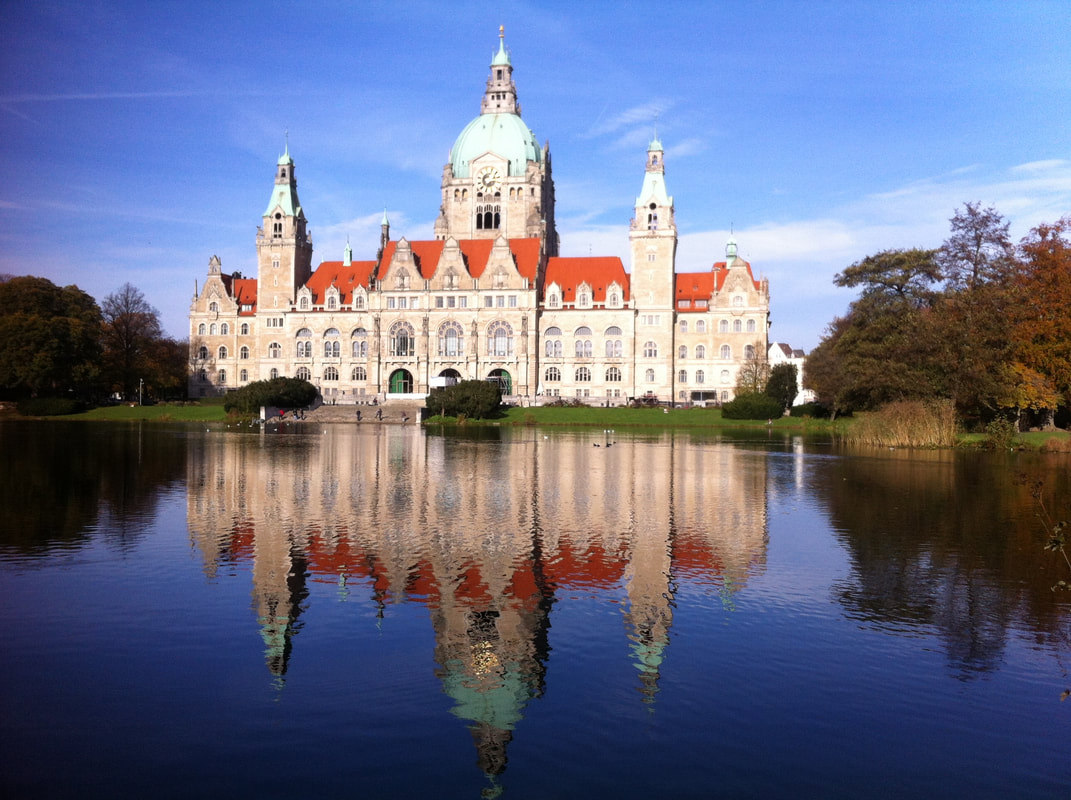
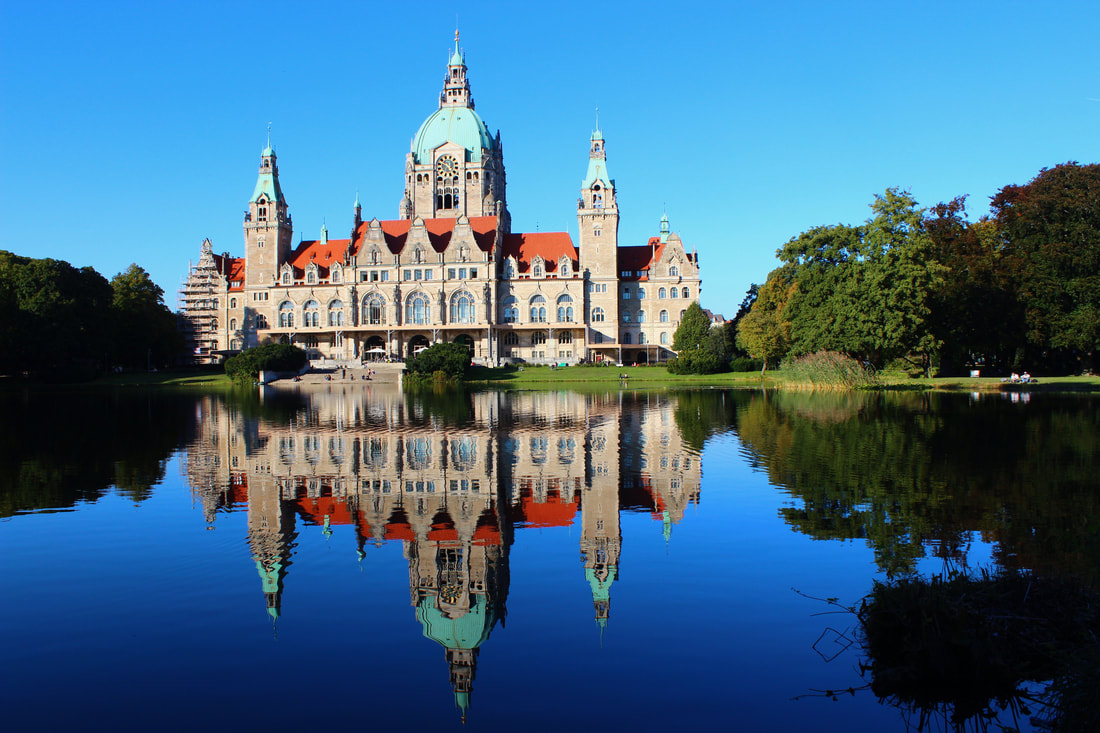
The Rathaus, or the “city hall” is the most charming architectural structure in Hannover. Take time to walk the grounds and soak up the serene atmosphere.  The building’s reflection from across the pond is the perfect spot for a photograph. 

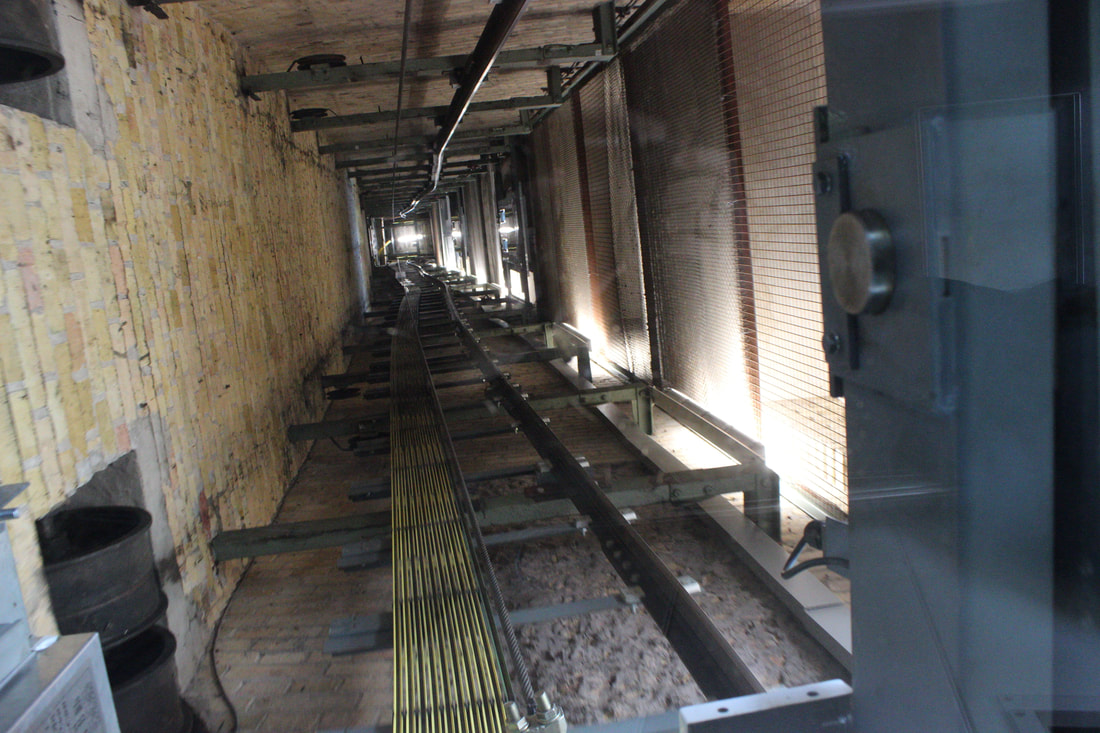
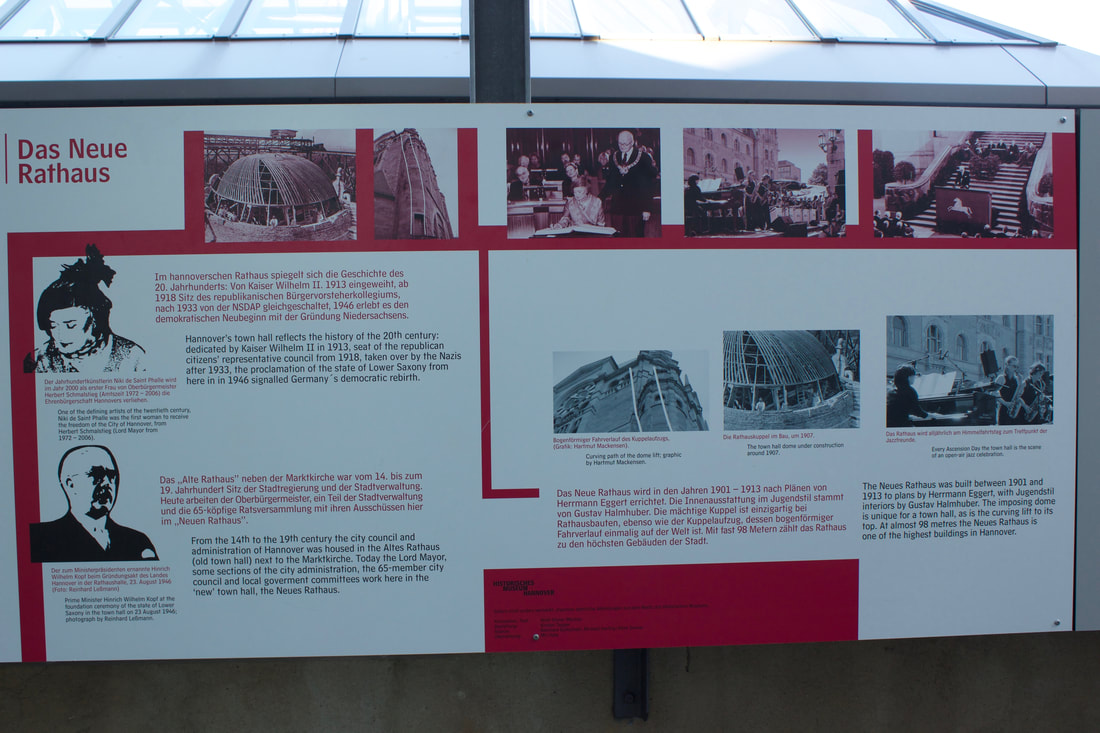
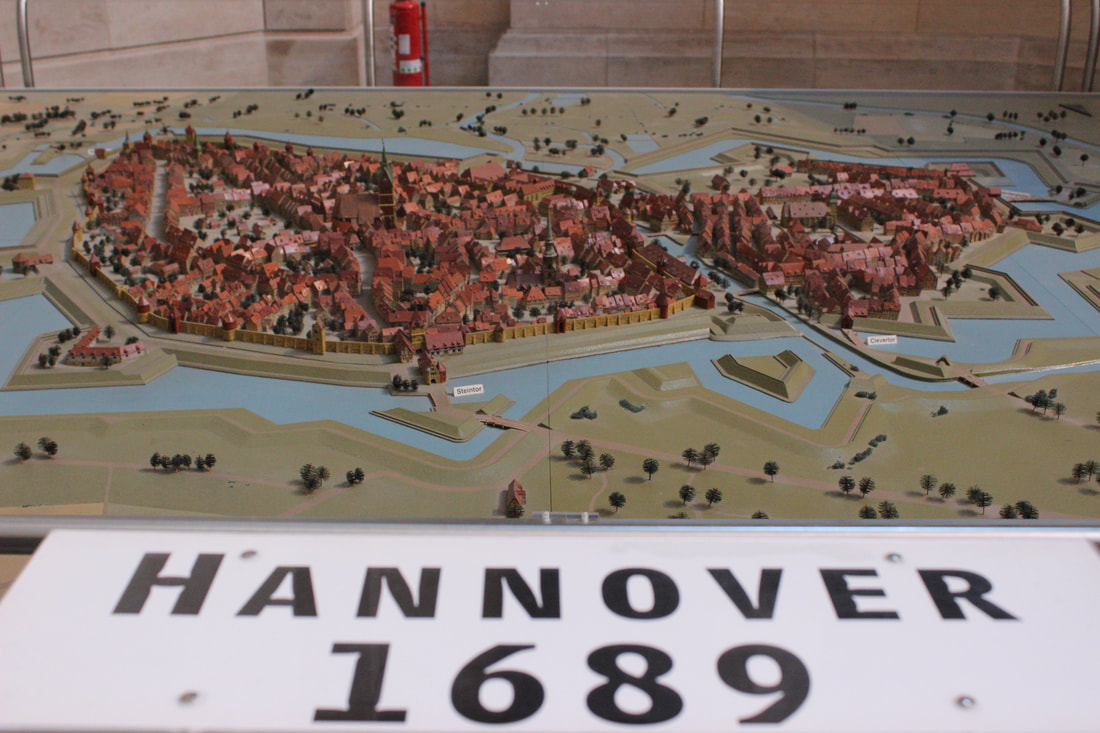
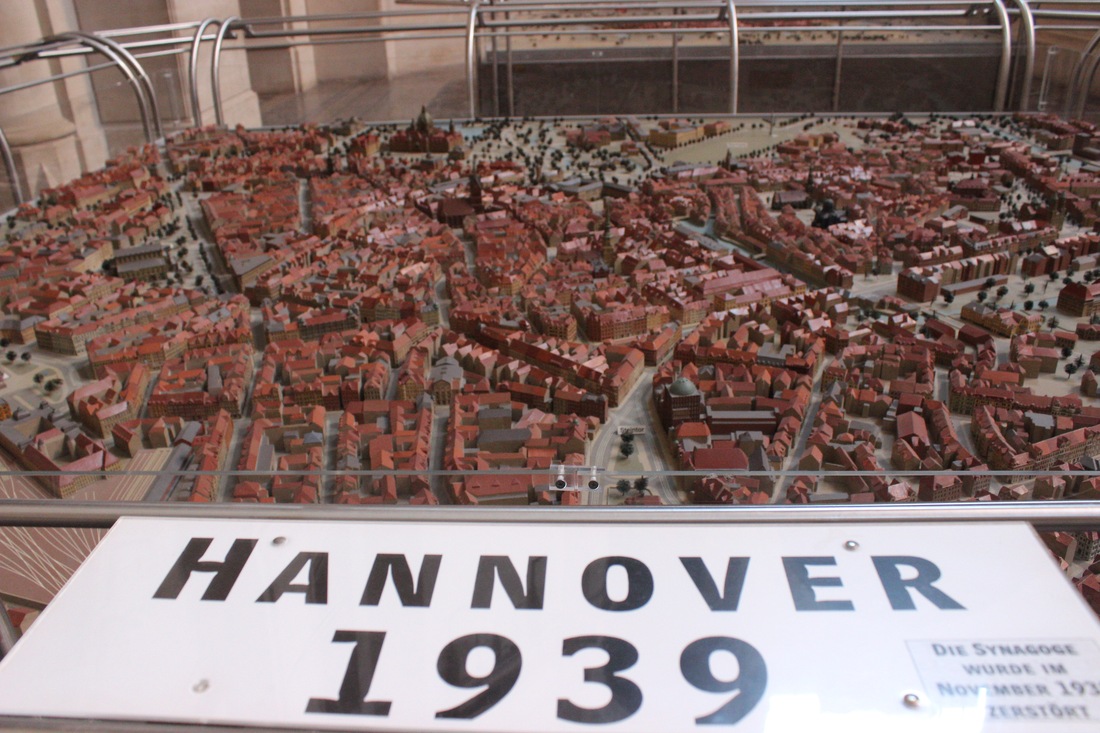
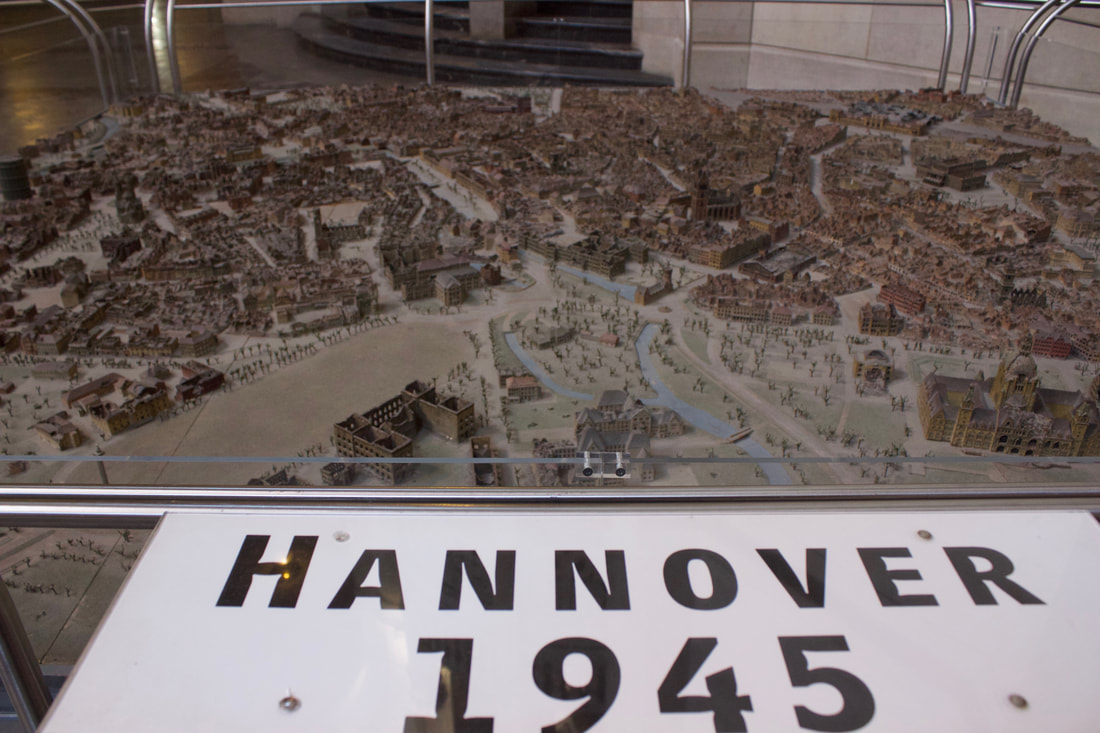
Inside the Rathaus, visitors explore the history and visuals of what life was like when Hannover originated. You’ll also find structures that depict the destruction of Hannover after World War Two. In the lobby there is a tourist office to buy tickets for the roof. The elevator ride is worth the few euros alone.  Before getting in the elevator, be sure to read the signs depicting more historical facts about Hannover. At the top, there are several viewpoints that feature 360-degree views of the city.
Picture
Picture
Picture
Walk The Red Thread
Hannover’s Red Thread is a self-guided walking tour that journeys through the heart of Hannover. This 4,200-meter red painted line contains 36 significant stops featuring the best of Hannover’s past and history.
 
This do-it-yourself walking tour is simple. Just follow the red line. If you want more out of the tour, purchase the Red Thread handbook for three euros from the Tourism Office located across from the Hauptbanhof. I recommend the book as it explains a wealth of knowledge about the monuments and architecture and other cool secrets. Books are available in English and German.

 I recommend taking your time and exploring one of the cafes along the Red Thread. Check out my Noteworthy “Essen und Trinken” Cafes along Germany’s Red Thread.

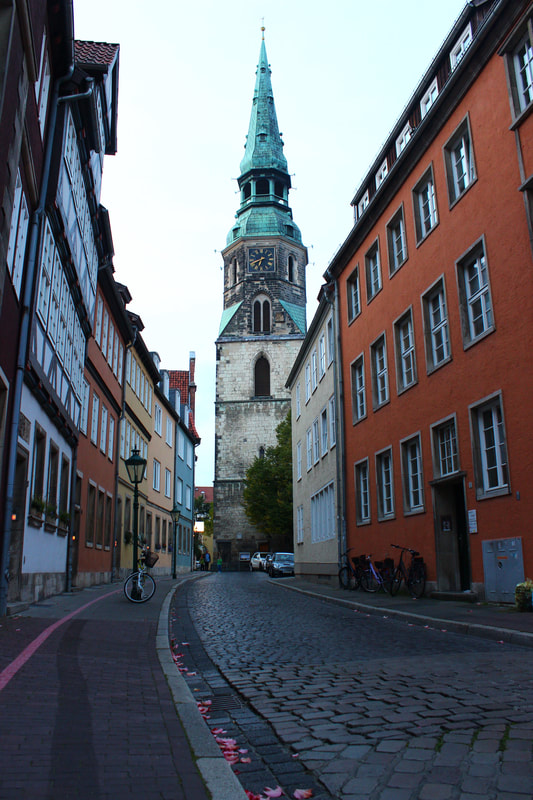
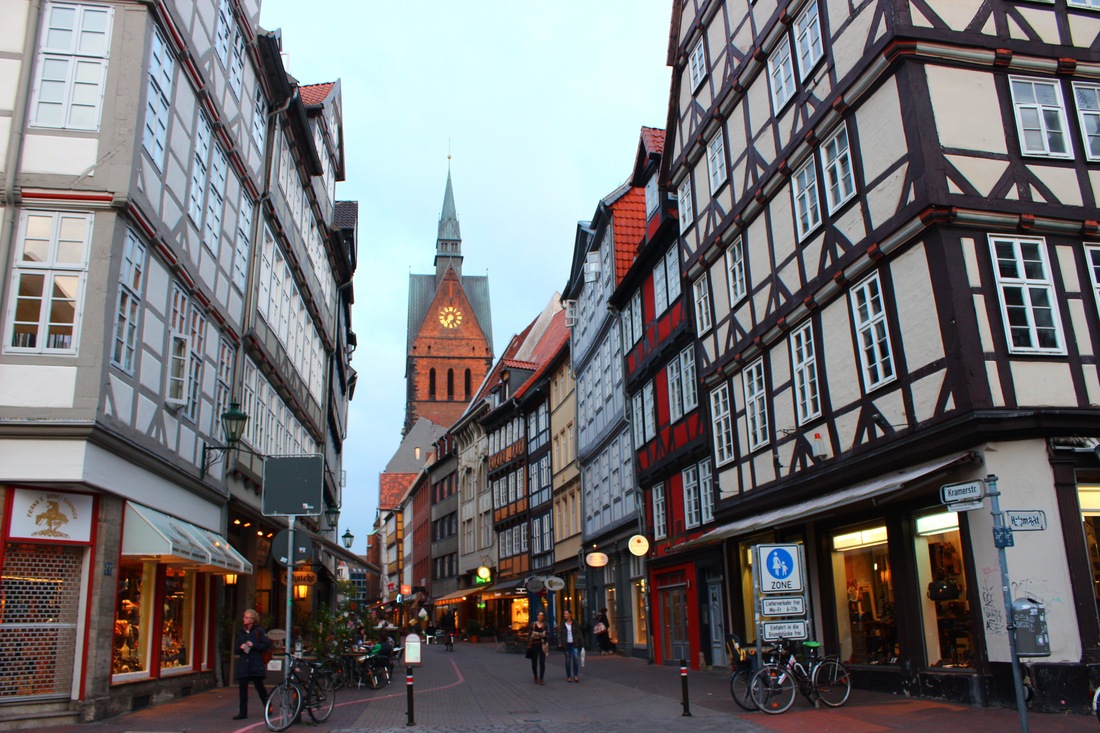
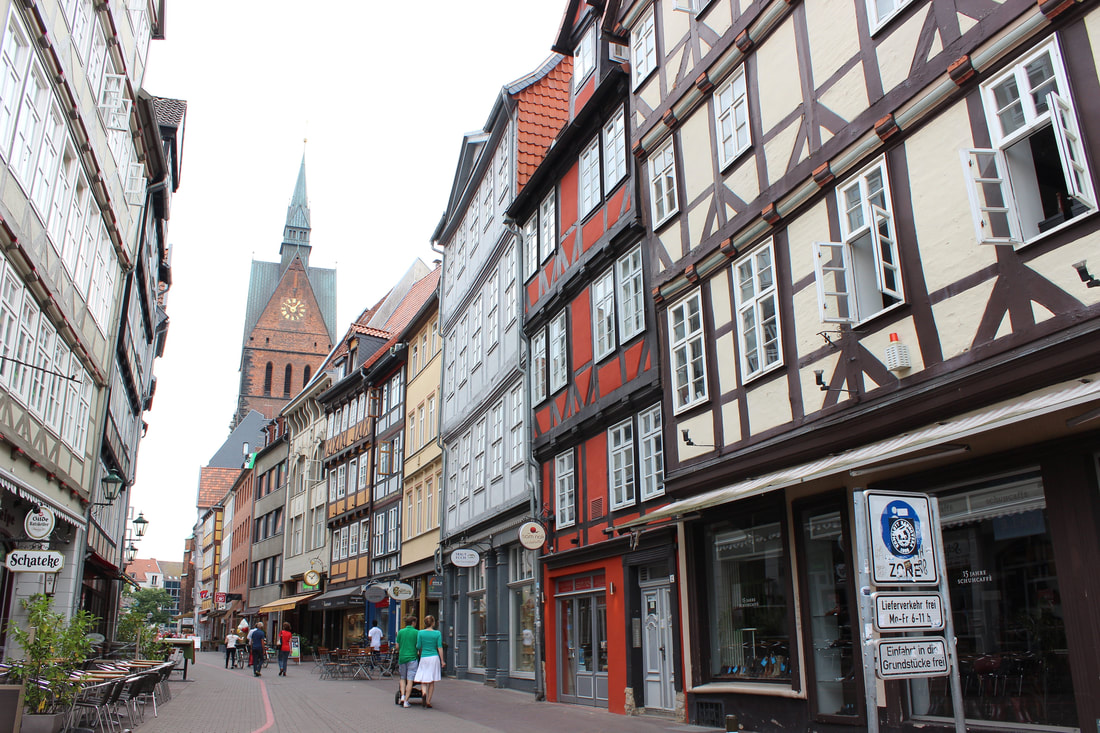
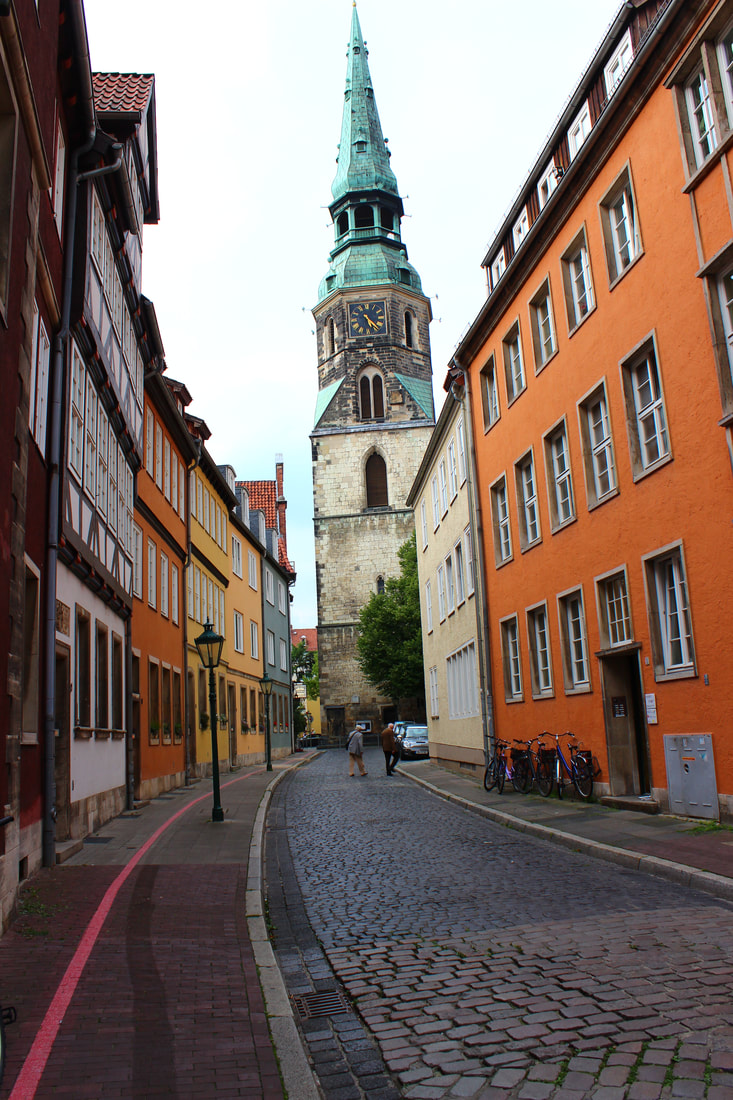
The Red Thread also tours through Altstadt, which is the best place to visit to see the old architecture of Hannover, which was technically rebuilt after the wall. Important landmarks are the Marktkirche, the Leibnizhaus and water tower near the river. The Teestubchen is the perfect place to sit in Ballhofplatz and enjoy a cup of tea. 
There are so many places to eat and drink that you can find a place that suits you on my 20 Buzz-worthy cafes in Hannover. Old Town is a perfect spot to try a slice of German cake. With so many choices, check out more on my Hannover Cake Connoisseur Blog and discover what place (or cake) is best for you!
Picture
Georgengarten & the Herrenhauser Garten
The gardens and trails in this park system is a quintessential Hannoverian thing to do. Locals barbecue on the grounds, walk the trails and enjoy the architecture and special events inside in the Herrenhauser Garten. Autumn is one of the most photogenic seasons on trail. 


Walk Maschsee 
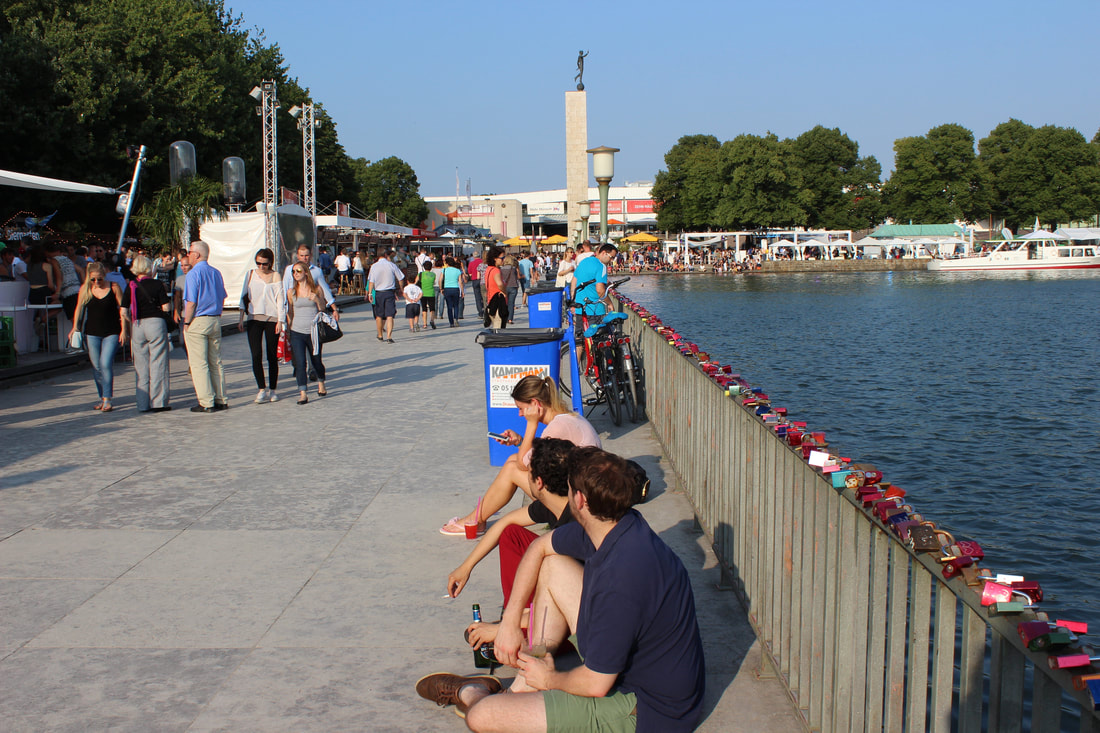
One of the most popular areas in Hannover is Maschsee (Masch Lake). This 6-kilometer walk around the lake is the perfect afternoon stroll. You’ll find locals rollerblading, walking or biking around the quiet lake. There are plenty of cafes and beer gardens dotted around the lake so don’t worry about going hungry. My favorite is Pier 51 bar and lounge and the biergarden at the Aspira and the outdoor café connected to the Marriot Hotel. If you are in Hannover for Vater’s Tag (Father’s Day) in May, head to Maschsee to discover how “herrens” celebrate Father’s day by pulling wagons and playing drinking games around the lake.

Picture
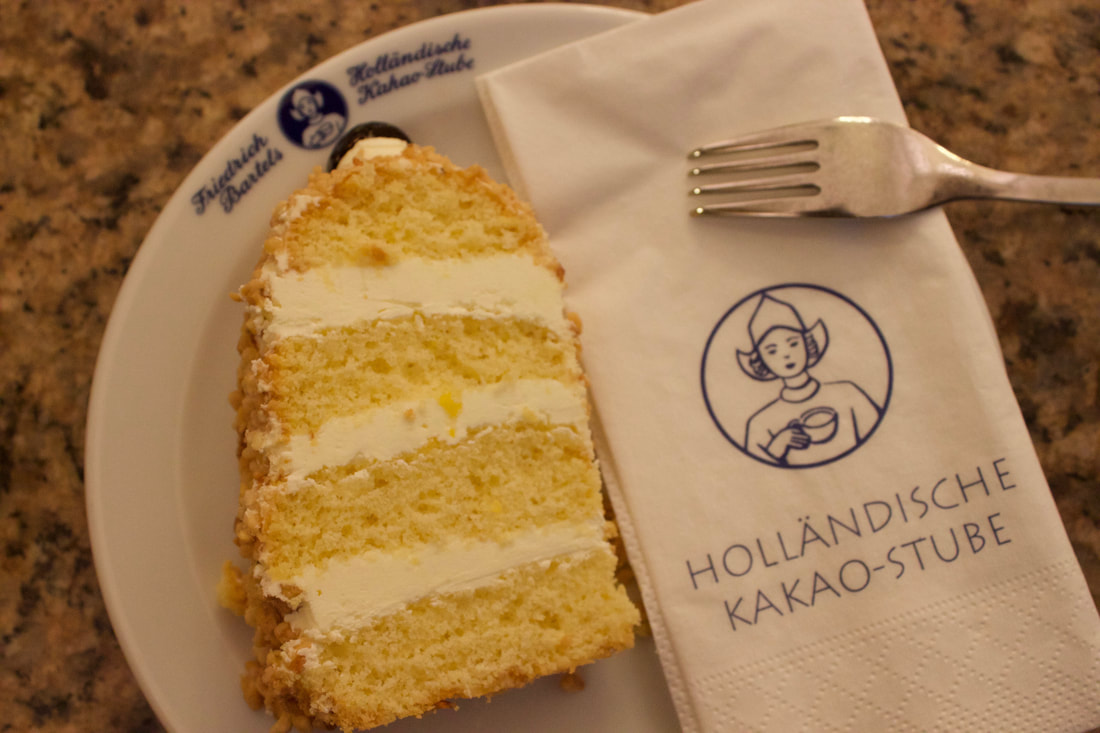
Holländische Kakao-Stube – Mitte
Whether you’re looking for a slice of heaven or the best cake in Hannover, you’ll find it at the Kakao-Stube. Located nearby the Opera House (near stop 3) and the Kröpcke clock, veer off onto Ständehausstrasse and look out for the Blue and White sign with a little Dutch girl on it.

Once you walk in you’ll feel as if you walked back into time with flashbacks of the Netherlands in 1921 where blue and white tiles cover the wall and staircases are covered with “gold” handrails. Here is where the real journey begins. Admire the cakes, torts and tarts behind the glass and “scratch and sniff” the homemade goods located next to the cash register. For Hannover, this café is a bit pricier, but by American standards to get a coffee and a slice of cake between five to seven Euros is a hell of a deal.
 
In this café, you’ll order your cake at the counter and then bring your ticket to a table. Don’t worry if the ladies don’t smile at you. It’s Northern Germany and smiling is optional. This is the place where born and raised Hanoverians hang out so . But, it’s by far the BEST cake and most historical café in Hannover. Check out their website for pictures of the café before and after World War II.
 
What should I get? EVERYTHING, but if you must choose one – Frankfurter Kranz (see below).​
Picture
Markethalle
​Whether you’re seeking some fresh fruit or a meal, you can find everything café-related here. Sadly, the markhalle doesn’t look anything like the original since post-war architecture chose the most bleak and boring designs (sorry to my architecture friends who may find this offensive).  If you want a serious plate of pasta, stop at one of the bei Cüneyt stands. You get a massive plate of vegetarian or meat-based pasta or rice dish for only four euros! For the BEST brochens and chocolate croissant I’ve ever had, visit the Das Statement stall. 

If you desire another "kaffee pause" a  block from Markethalle is Machwitz  Kaffee, a local coffee company in operation since 1883.  


Cultural Centers in Linden
The Linden neighborhood is the “Berlin” of Hannover. Quirky and ultra-liberal, Café Glocksee and Faust and Mephisto are two cultural centers to photograph graffiti or catch a cheap musical performance. At Faust, you can enjoy a latte at Nachbar or purchase some cheap antiques and goods at the Sunday flea market (warm months only).

This Lemon Tree article is now featured on GPSmyCity.  To download this article for offline reading or travel directions to the attractions highlighted in this article, go to 8 Things You Must Do When Visiting Hannover.

What's your Must-Do while in Hannover? Check out our other Hannover blogs:

Best World War II Sites in Hannover, Germany7 Noteworthy “Essen und Trinken” Cafes along Hannover, Germany’s Red Thread 6 Amazing Places for Summer Swimming in Hannover​10 Cheap & Free Things to do in Hannover, Germany
0 Comments

In Search of Communism in Berlin – Best Historical Sites

4/5/2019

0 Comments

 
Picture
Berlin, Germany’s Capital city, has gone through several changes throughout the last one-hundred years. From World War II to Communism to today’s hipster-chic culture, Berlin is one of the most visited in Germany. No matter where you go in the city, marks and architecture still reflect Germany’s past and its division between East and West Germany. Whether you’re searching for museums or interesting architecture, here are some interesting communistic spots in Berlin.
Picture
The Berlin Wall
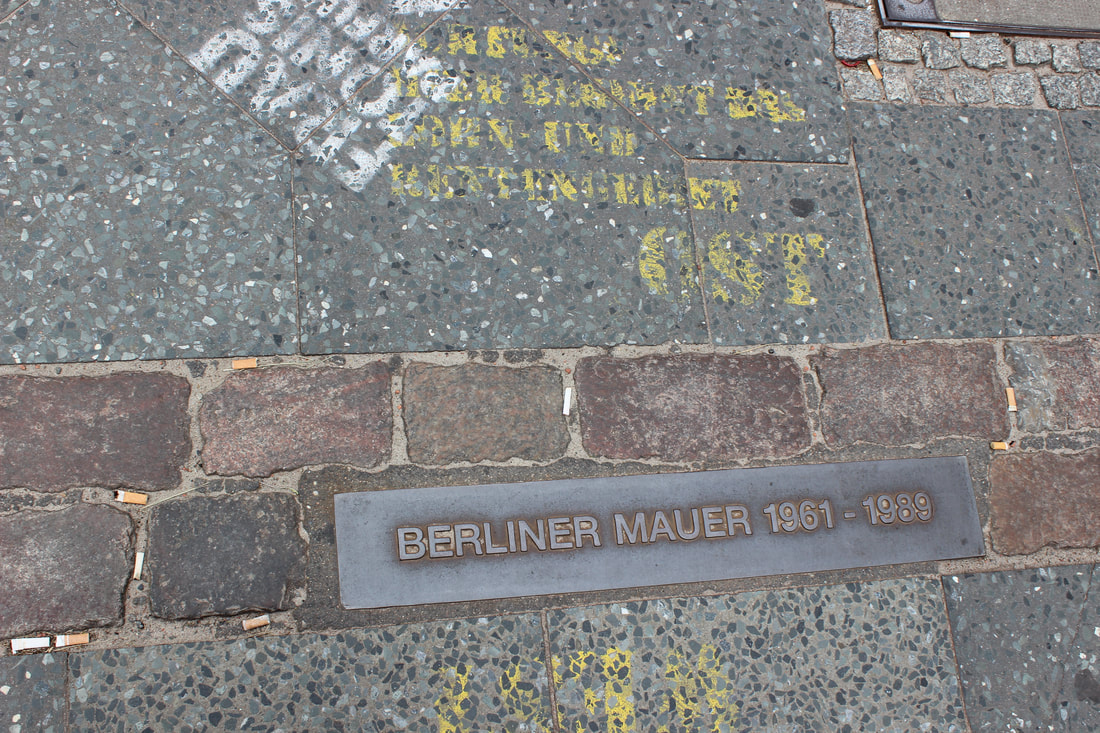
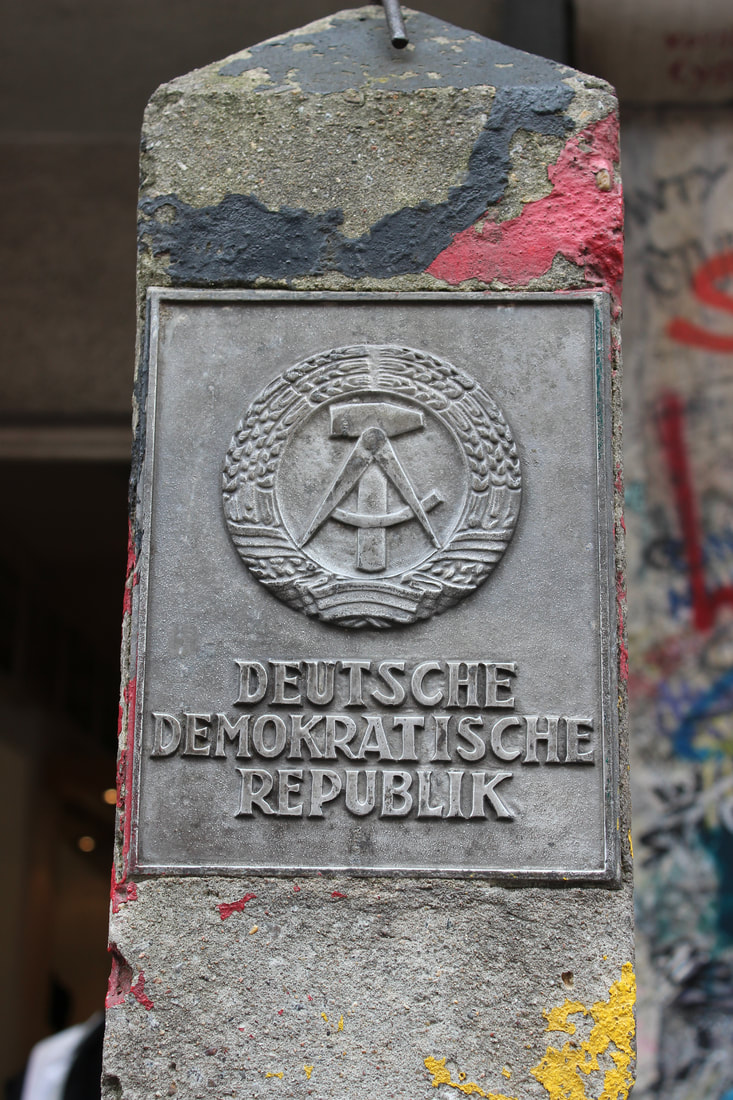
The GDR constructed the barbed wire and concrete “Antifascistischer Schutzwall,” or “antifascist bulwark," on August 13, 1961 to keep the Western Germany "fascists," out of the East. Various checkpoints at the wall allowed visitors to come in and out of East and West Germany, and those who tried to escape or climb over the wall were often shot and killed. The wall came down on November 9, 1989 when the GDR announced that anyone could come and go as they please. The citizens were ecstatic and held big parties, specifically near the Brandenburg Gate. Throughout Berlin travelers will notice plaques on top of a red brick line depicting where the wall once stood, and pieces of the wall that still stand today. 

For significant pieces of the wall, check out the Berlin Wall Memorial on 
Bernauer Strasse, the wall near the Topography of Terror on Niederkirchnerstrasse/Wilhelmstrasse, or the East Side Gallery near Ostbahnhof. 
Picture
Picture
Berliner Fernsehturm
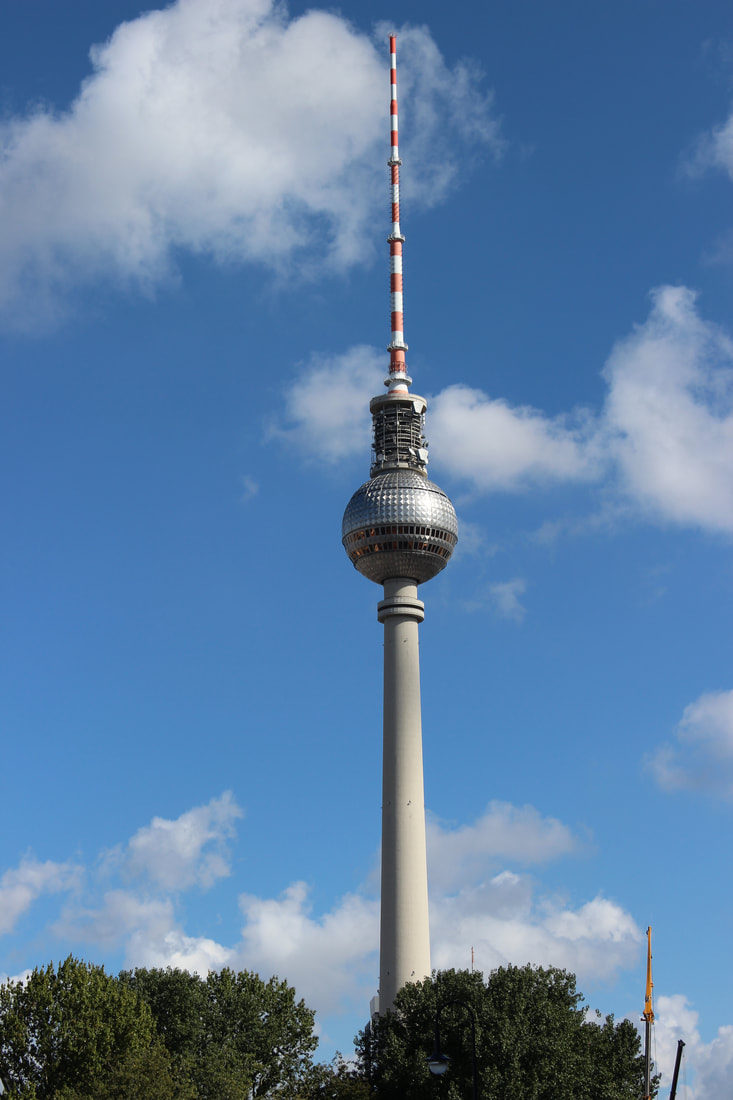
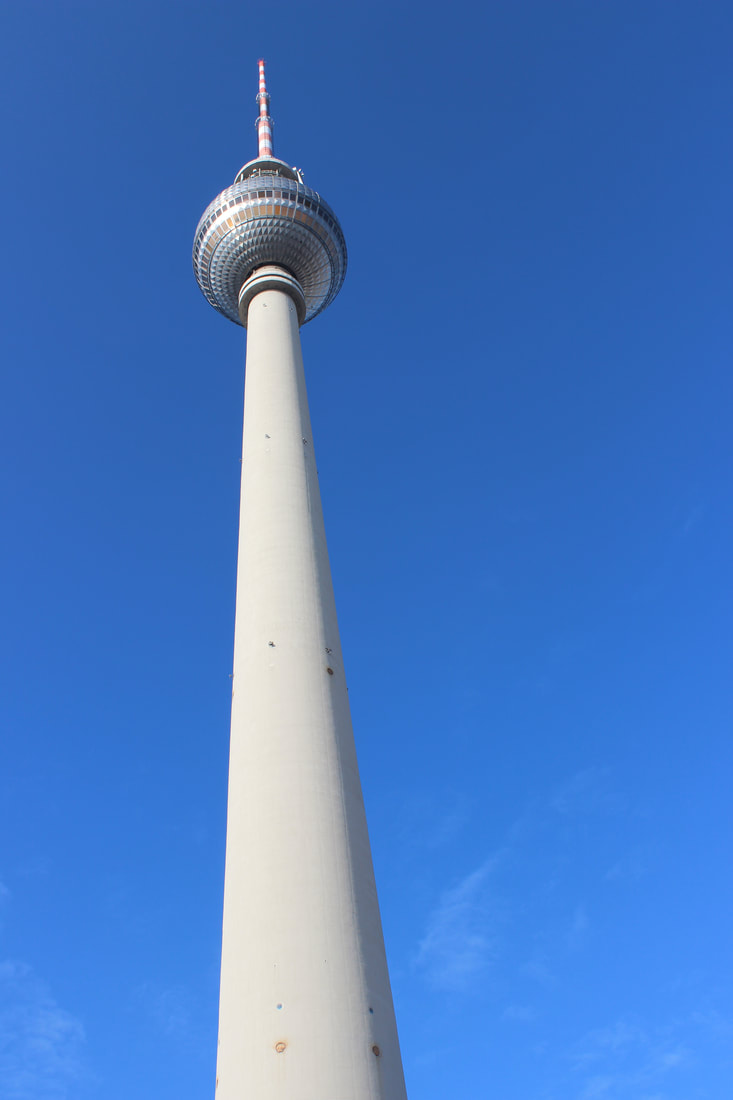
This television tower is Berlin’s iconic GDR symbol. Constructed between 1965-1969 by the GDR, the intentions of the tower was a symbol of communistic power, which broadcasted five FM programs. Located in Berlin-mitte, near Alexandarplatz, this 368-meter tower now contains a revolving restaurant, which has a visibility of up to 26 miles.

Alexanderplatz
Pre World War II, Alexanderplatz was the hotspot for Berliners. Post war, the commies built the square with sterile and unassuming architecture, which became the center of military parades and party events. In 1953, several anti-government demonstrators were shot dead during the anti-communist uprising. Here, travelers also find statues of Karl Marx and Friedrich Engels.  
Picture
Picture
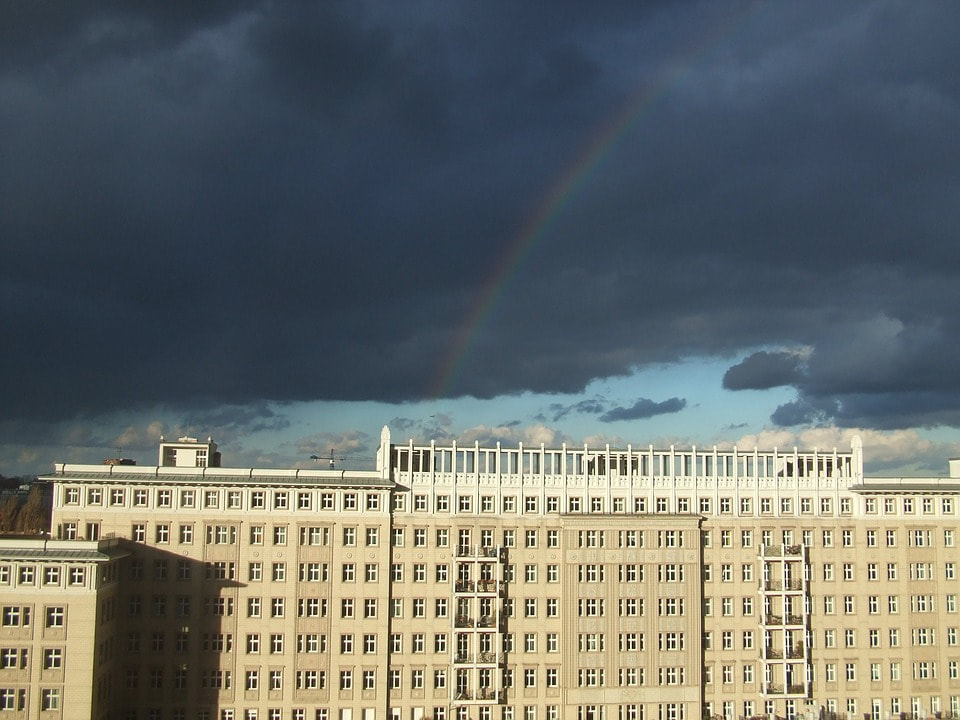
Stalinallee / Karl-Marx-Allee
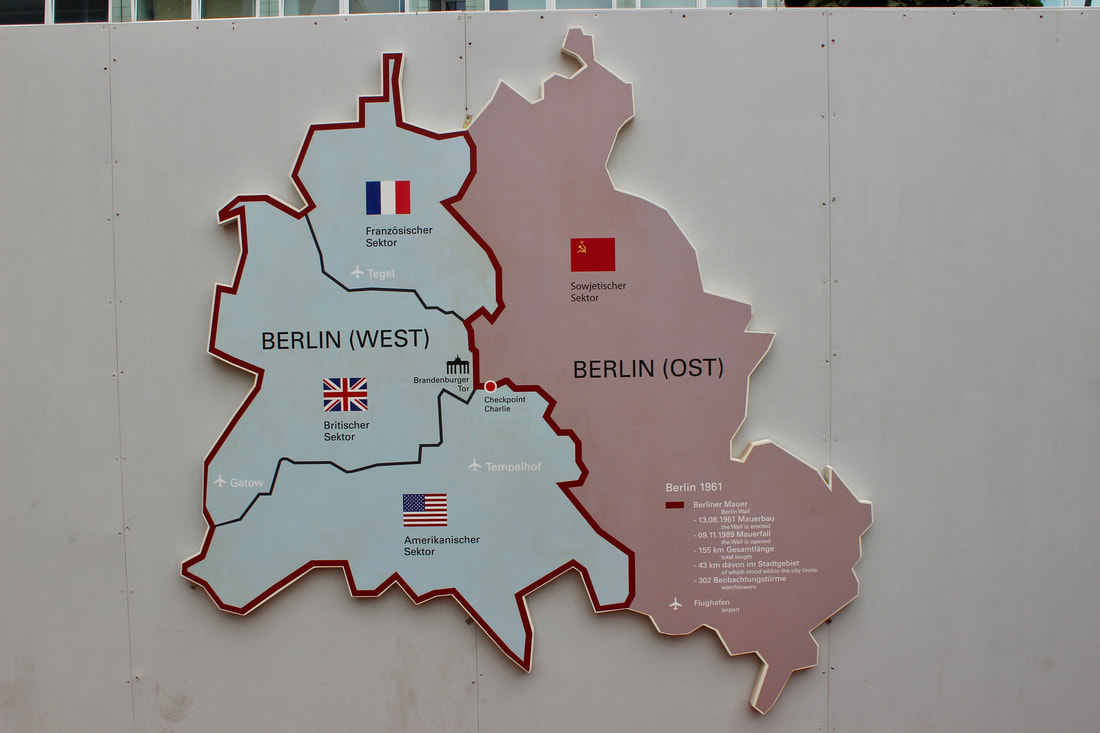
This area was destroyed during World War II and post war rebuilt by the GDR as an extensive socialist boulevard between 1952-1964. Between 1949-1961, the boulevard was named Stalineallee, but later renamed after Karl Marx in the fifties during the split of East and West Germany. The Allied zone occupied by the West and the Soviet Zone occupied by the East, has distinct differences still seen today. 
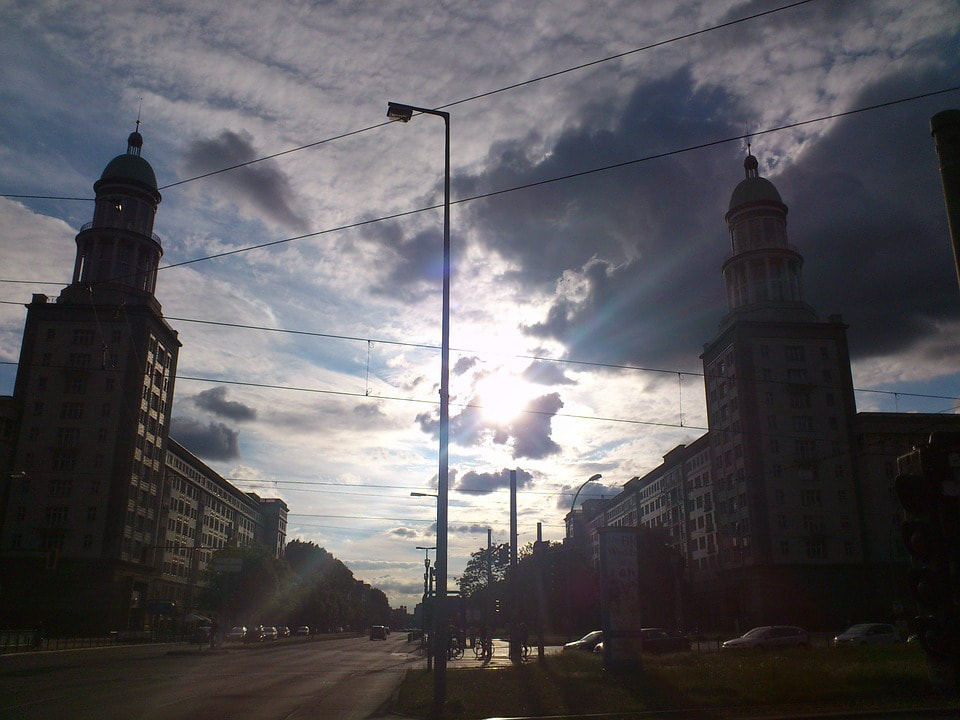
At the intersection of Karl-Marx-Allee and Frankfurter Allee, is Frankfurter Tor, or Frankfurt Gate, a large square that contains the prominent Socialist towers. 

Verkehrsberuhigte Ostzone 
This underground communist bar is a dive bar decorated in communist memorabilia. It's a good pit stop for a cheap beer and to reminisce over the "good old days" and countless propaganda posters. 
DDR Museum
Located directly on the River Spree, is the former government district of East Germany. The museum features exhibitions with three distinct areas such as the public life, state and ideology and life in a block tower. Highlights include interrogation room, prison cell, cinema and surveillance room. 

Picture
Picture
Picture
Checkpoint Charlie
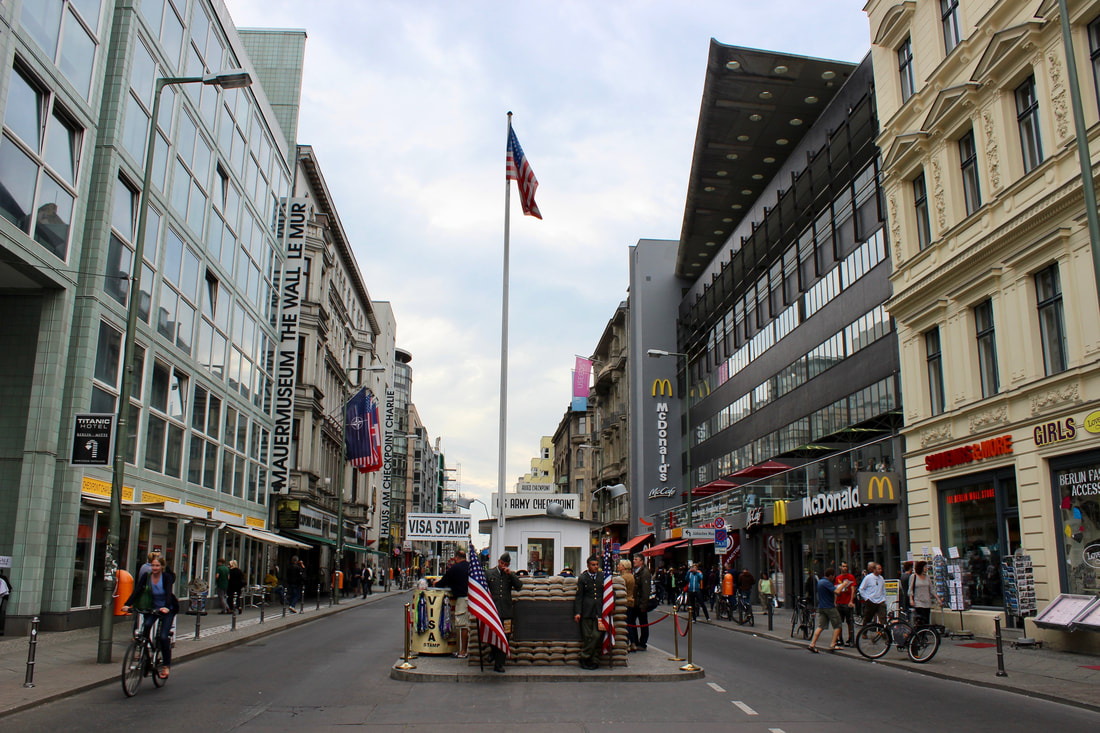
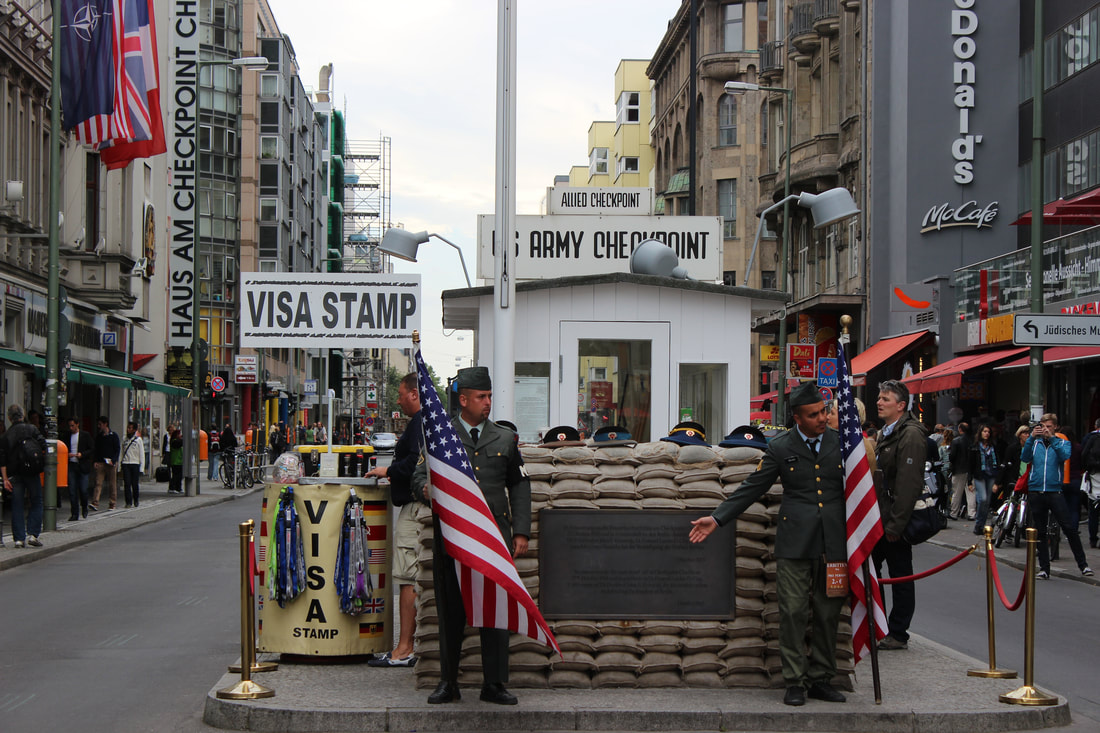
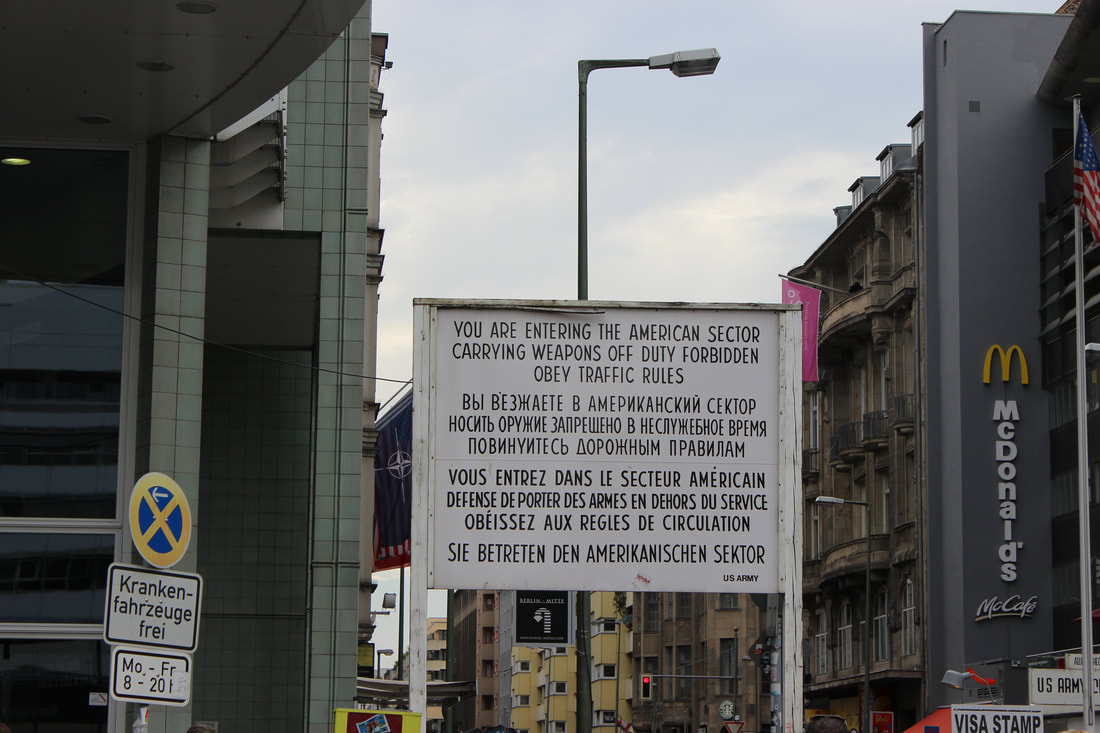
This US Army station is the last checkpoint before headed into East Berlin. Today, a replica exists where guards stand at the station offering photographs and "visa stamps." The great news of today, is that McDonald's is just behind. How American! 

​For Kaffee und Kommunism try Cafe Sibylle, an over 50-year old neighborhood coffeeshop that proudly served East Germany cake and coffee during communism. It is important to check if the cafe is still in operation. In 2018, they lost the lease due to renovations and were deciding to relocate. 
Picture
Picture
Picture
Mauer Museum Haus Am Checkpoint Charlie
​The museum located next to Checkpoint Charlie is a place to discover more about DDR and how German citizens fled East Germany. Checkpoint Charlie was one of the most significant border crossing spots. One of the most significant escapes was a family who engineered a hot air balloon, which was the prize possession for two families escape out of East Germany. 

Marzahn-Hellersdorf
Marzahn has transformed from communist to hipster. This traditional communistic, uniform high-rise block housing is not aesthetically pleasing, unless you adore architecture that looks similar to prison chambers. But, this neighborhood is a significant representation of Berlin's past. Once bleak and dreary, the row housing received a facelift, which is now painted with bright colors. The 18-story "Flower Tower" is one of Berlin's most popular facade design. In Marzahn there are plenty of viewpoints to overlook the intimidating neighborhood as well as the city of Berlin. Try the 70-meter "Skywalk" located on the 21st floor of the block at Raoul-Wallenberg-Straße 40/42. Or, walk on the "cloud" known as the "Wolkenhain" is an observation tower overlooking the Gardens of the World. The park also features a cable car that ascends to the 102-meters summit of the Kienberg to the Wolkenhain. See what it was like to live in 1986 east Germany at the Museumswohnung WBS 70. 
It's a former GDR apartment, now turned into a museum furnished with traditional artifacts and furnishings from that era. 
Neue Wache
This “New Guardhouse” is the Central Memorial of the Federal Republic of Germany for the Victims of War and Dictatorship. This monument represents three phases of German history: The War of Liberation, victims of WW1 and the victims of fascism from GDR & WW2. Inside is the Käthe Kollwitz's Pietà statue of her holding her dead son. The underground room contains the remains of an unidentified soldier and resistance soldier and the soil from the battlefields and concentration camp.
Picture
Red + Green Man on Stop Lights
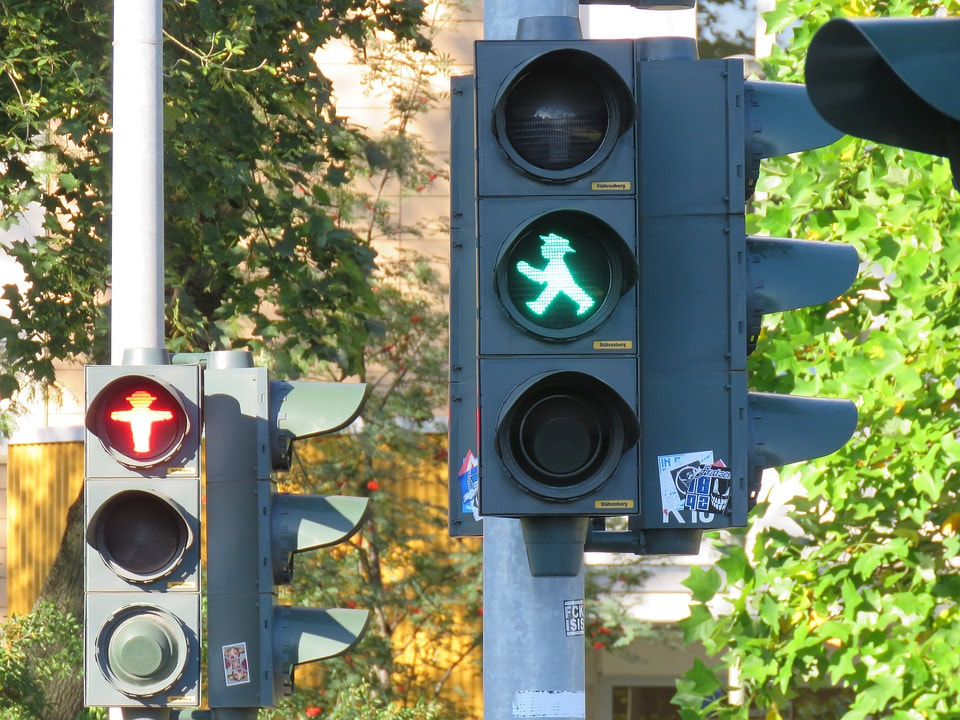
One way to know you are in East Germany is by the cross walk signals. East Germans replaced traditional cross walk signals from the West to use Ampelmännchen, the little red and green mans. Those signals were almost replaced, but East Germans demanded to keep these signals, which are still seen today. 

What's your favorite communism landmark or spot in Berlin?

Check out our other Blogs on Berlin: 

A Walking Tour of Unter den Linden: Berlin's Most Prominent & Historical Street​
10 Significant WW2 Sites to Visit in Berlin, Germany

This Lemon Tree article is now featured on GPSmyCity.  To download this article for offline reading or travel directions to the attractions highlighted in this article, go to In Search of Communism in Berlin.
Follow
0 Comments

Best World War II Sites in Hannover, Germany

3/21/2019

7 Comments

 
Picture
Hannover is my German “home city.” I lived there for nearly 1.5 years in 2014-2015, and during that time explored the various World War II sites in town. Many people do not realize that Hannover was demolished in World War II, being one of the most destroyed cities in Germany. 

The Weimar Republic ended once Hitler became of the Chancellor of the Reich on January 30, 1933.  During the war, 88 air raids destroyed over fifty-percent of the city, with over 90% of the downtown destroyed. The first raid occurred in May 1940, destroying factories, residential communities and monuments. 

Downtown looks a bit like Dortmund with post war architecture, sadly that was rebuilt upon once beautiful medieval architecture. Even today, there are occasional bomb threats in Sudstadt where Nazis once planted bombs underground; thus, history still exists today. If searching for a bit of history while  meandering Hannover, here are some interesting World War II sites you can’t miss.
Picture
Picture
Picture
Rathaus
The Rathaus is Hannover's city hall building. The bomb raids damaged the Rathaus, though not nearly as bad as other buildings in town. Inside, guests can look at models of the city's foundations as well as pre and post war city structure. 

Aegidien-church Hannover
Located near Mitte and Altstadt are the remains of the once operating Aegidien church. The church like most of Hannover was destroyed during the bomb raids. Today the exterior exists, with ivy and plaques plastered alongside the brick façade. This is quit a photogenic spot during the fall season when the ivy turns fiery red, a symbol of Germany’s past.  
​

Air Raid Shelter
Located in Deisterplatz, Hannover, is a spire-looking building, which was once an air raid shelter. Labelled “Bunker Number 8,” began operation on May 26, 1941. The bunker could fit 698 individuals, but during air raids locals rushed into the shelter exceeding capacity.
Picture
Picture
Picture
Altstadt
Old town looks old, but technically is not. The original old town was bombed to pieces during the war and what you see today was rebuilt in the 1950’s in the original design. Since the Leibnizhaus was also destroyed, they recreated the building in Old Town, which is not its original location. Inside the notable Marktkirche, one can see historic images of the bombing remains of Old Town and the church. The church lost it’s dome, and was also rebuilt post war.

The Golden Plaques
In Hannover and throughout Germany, you'll notice golden plaques on the ground. Often times these plaques are in front of apartment buildings, or areas where an apartment once stood. These plaques are in honor of Jewish people who were taken from their home and sent to a concentration camp. The plauques include the person or family's name as well as their dreadful camp. 

Picture
Memorials Alongside Maschsee
The Maschsee is an artificial lake with quit a history. Today locals sachet the lake and enjoy a beer at one of the many beer gardens alongside the lake, but this luxury came with a cost for the German people. The operation of the lake occurred between 1930-1933 to provide jobs during Hannover’s Great Depression. This was perfect for the Nazi party and used in their propaganda messaging to reduce the 30% unemployment rate; however, this project idea existed before the Nazis took power. The completion and opening of the project occurred on May 21, 1936, and eventually used by locals and Nazi troops goose-stepping around the perimeter. During the air raids, canvasses covered the lake with fake landscapes to confuse the bombers on the whereabouts of their hiding. 

Along the lake, you’ll notice signs for Hannover’s book burning and the Bismarck Tower that once existed. Nazi statues such as the Siegessäule which rises a good 20 meters in the air. This is of a strong Aryan man who holds the Olympic fire in his hand, which erected in 1936. At the bottom is an inscription that translates to something similar, "Will to build / gave blessed hands / the blessing of work / joy, health and strength / donation henceforth ... The lake! / 1934-1936." 

The “Lion Bastion” (Löwenbastion) are two lion sculptures often associated with the Nazi party. The controversial artist Arno Breker, as born in 1900 in Germany and was one of the most famous artists in the Third Reich. He worked together with others including Albert Speer and marched in the wake of Hitler 1940 in his former homeland of France. He was shot in 1944.
While walking Maschsee, be sure to check out the Cemetery of Honor on the north end, across the street.
Picture
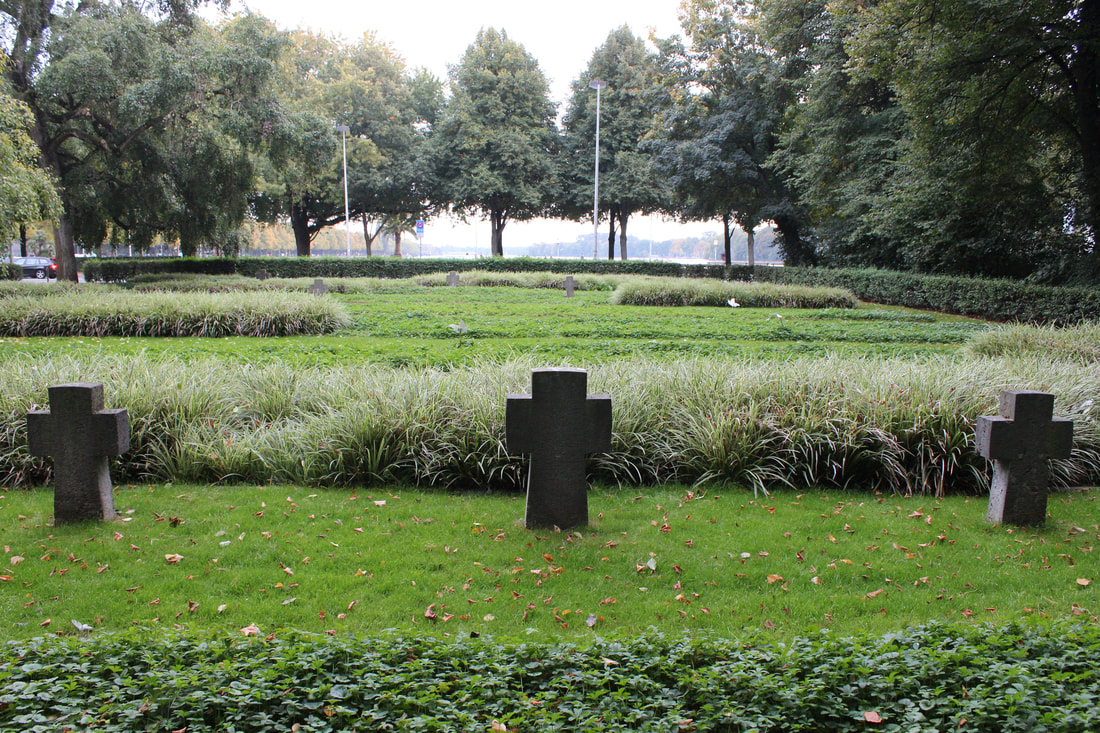
The Cemetery of  Honor
This small cemetery is on the north bank of Maschsee. Buried here are 386 forced laborers who came from various parts of Europe and died in Hannover at the end of the second World War. Nearly half, 156 buried souls were victims of a mass execution that occurred on April 6, 1945 at  Stadtfriedhof Seelhorst, just four days before the Americans arrived. 

The  Seelhorst cemetery also contains a memorial for the Hannover bomb raid victims. The other World War II cemetery is adjacent to Hannover called The Hannover War Cemetery, located at Harenberger Meile, 30926 Hannover, Germany.
Picture
Picture
Lister Turm
Located in Liste, and nearby the notable forest, is one of Hannover’s most popular beer gardens. Packed day and night, come early (or late) to enjoy a (massive) mass and some excellent Greek food. Be sure to check out the building and surrounding plaques that note World War Two history. Be sure to check out the building and surrounding plaques that note World War Two history, where many people, specifically women were killed. Besides death, Lister Turm has a rich history of selling beer for over 100 years. On the way to the  beer hall from the forest, you’ll notice various plaques or statues that commemorate a victim or tragic event from the war. ​

​There are so many other World War II spots in Hannover, and just meandering around town you'll find something new or a memorial that commemorates a lost soul or soldier. What is your favorite World War II spot in Hannover? 

Let's Connect! 

This Lemon Tree article is now featured on GPSmyCity
.  To download this article for offline reading or travel directions to the attractions highlighted in this article, go to Best World War II Sites in Hannover, Germany.
7 Comments

The Best Cultural Things to Do & See in Seville, Spain

3/19/2019

6 Comments

 
Picture
Seville is a city with soul and culture. There is something magical about Seville, Spain. Maybe it’s the orange trees? Maybe it’s the ancient architecture? Maybe it’s the soul that comes from the locals? Whatever it is, this city has no shortage of cultural sites, landmarks and things to do. When in Seville, be sure to explore Seville’s soul before and after sunset. ​
Picture
Las Setas (The Mushrooms)
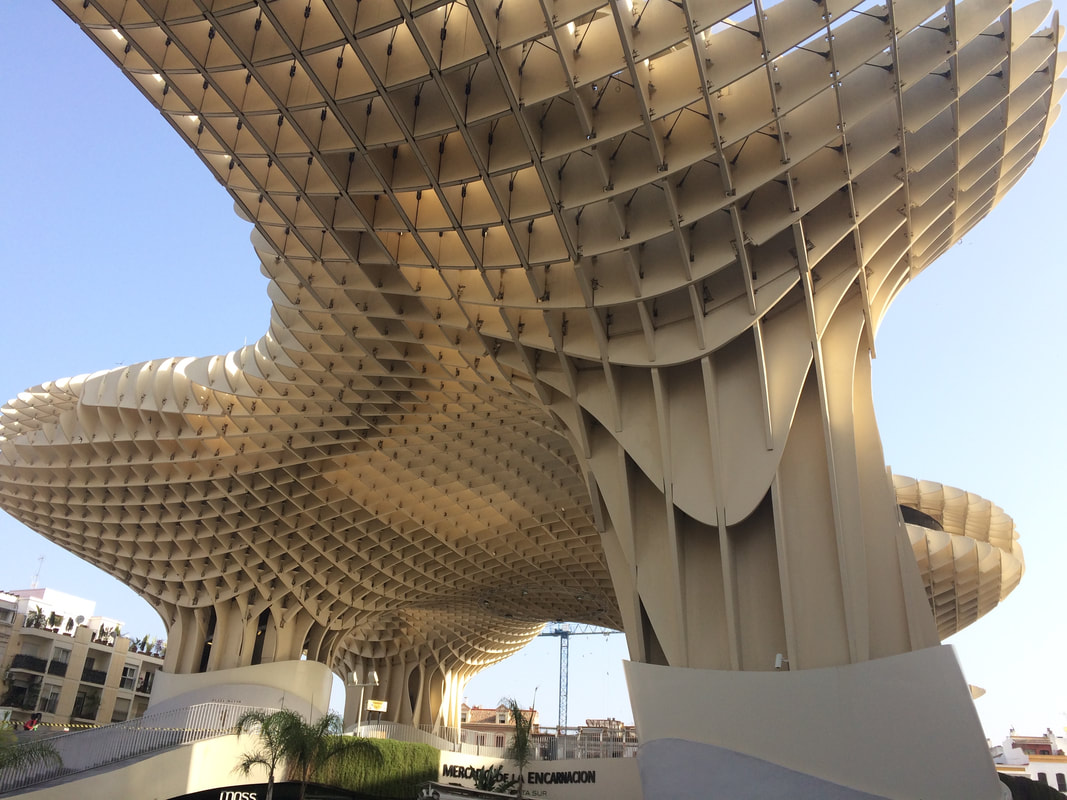
What looks like a giant Ruffles potato chip is actually an architectural walkway. Known as The Mushrooms, this wooden structure was meant to replicate fungi. During its construction in 2005, Roman ruins were discovered underground, which are displayed in The Mushroom’s ground level museum. Walking through the wooden fungi features exquisite views of the city, making it a perfect spot to watch the sunset.  

Picture
Seville Cathedral
This Roman Catholic Church is one of the highlights in Seville. Completed in the 16th Century, the Seville Cathedral became the largest church in the world supplanting the Hagia Sophia in Istanbul. The Giralda Tower is 343 meters in height, and was covered into a bell tower after the Reconquista. The "El Giraldillo" statue on top was installed in 1568 to represent the triumph of the Christian faith. The cathedral contains the remains of Christopher Columbus's remains, which has once been transported to various places around the globe.

Picture
Picture
Picture
Real Alcazar
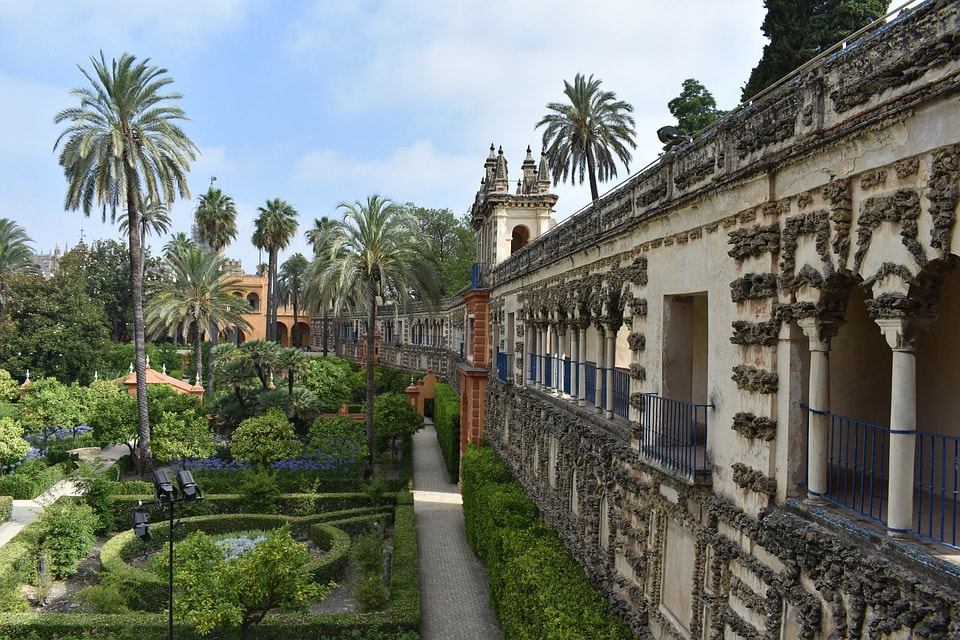
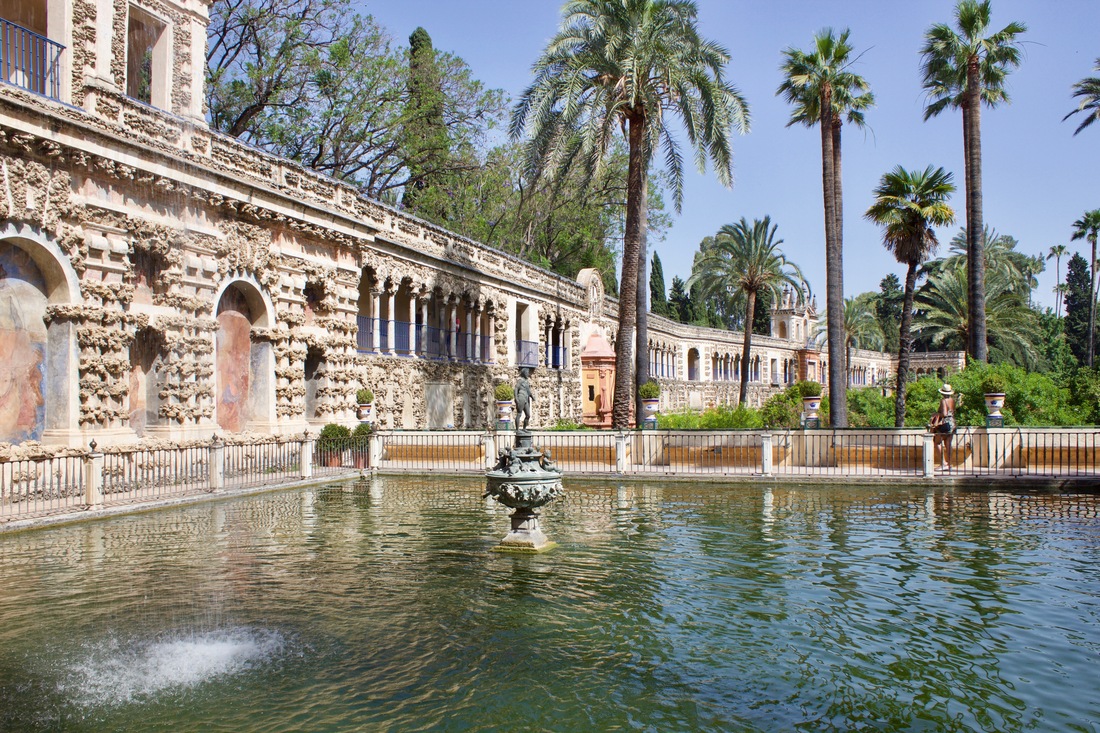
A must in Seville, Real Alacazar is a place not only to discover lush gardens, but to revisit Sevilla's history. This is one of the oldest palaces left in the world, and an authentic representation of the southern Mediterranean battle between the Moors and the Christians. Constructed began in 913 by And Al Ramn III, and throughout it's history, Real Alcazar experienced several architectural face lifts throughout time.  While inside you'll discover precious moments of flora and fauna, but highlights include Mudéjar and Patio de las Doncellas.

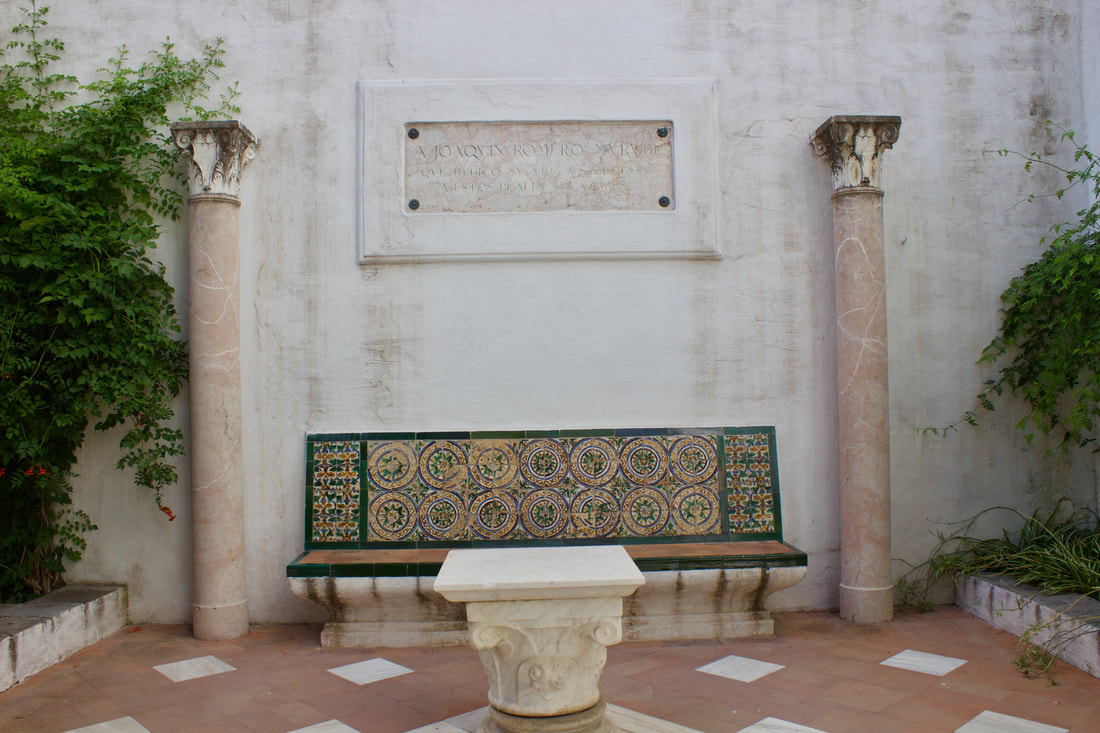
Beyond tile-lined benches and tree-lined footpaths, experience a variety of artifacts and paintings in the indoor museum. A small cafe with outdoor seating is also available.

Picture
Picture
Picture
Picture
Parque de Maria Luisa
If you visit only one park in Spain, Maria Luisa Park is it. This 100-acre “Moorish paradise” is an architectural and natural wonder, located minutes away from old town. 
​
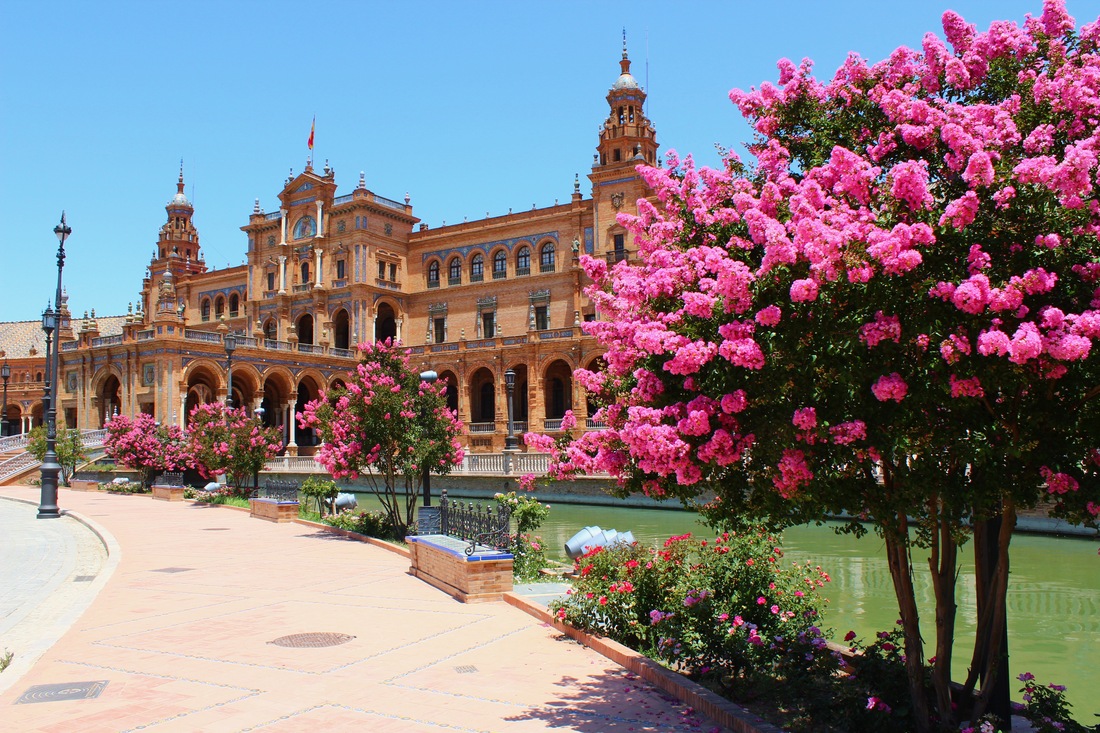
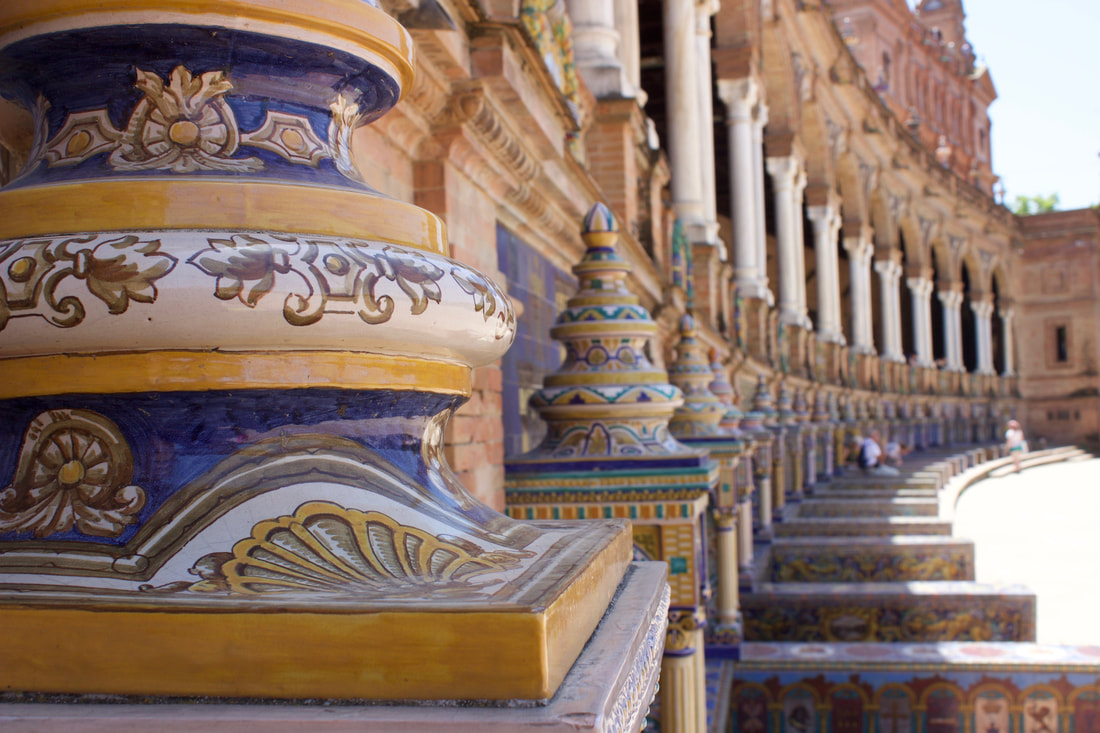
The vast complexity of the interconnections between nature and architecture is mind-blowing. You'll discover everything from flowered vintage trellises to a patch of fallen oranges basking in the sunlight.  The architectural elements from elegant gazebos to the prominent Plaza de España, discover a piece of Seville history. To say Plaza de España is remarkable is an understatement. This Plaza was constructed for the 1929 Ibero-American fair. It combines a mix of traditional Southern Spanish architecture as well as some art-deco. 
 
I spent wandered for two hours in the park, and discovered only a piece of the park. If hungry, eat at the adjacent Bar Citroen cafe as depicted in my recent "Favorite Restaurants & Cafes in Seville."

Picture
Picture
Picture
The Flamenco Dance Museum
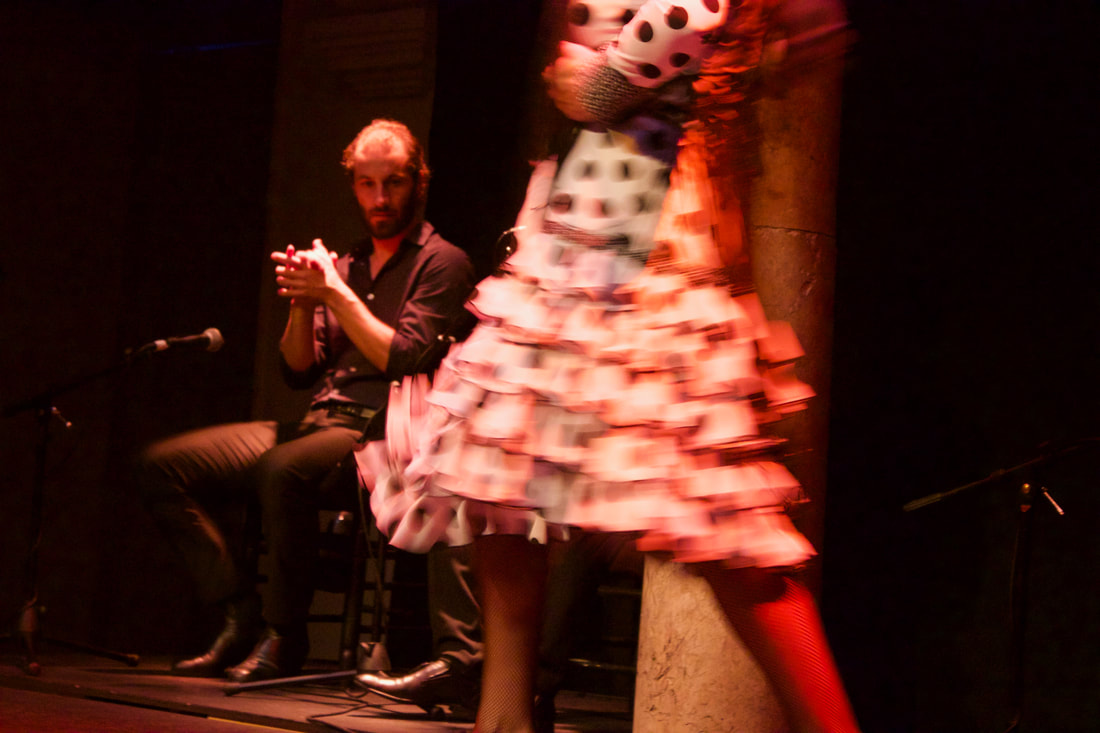
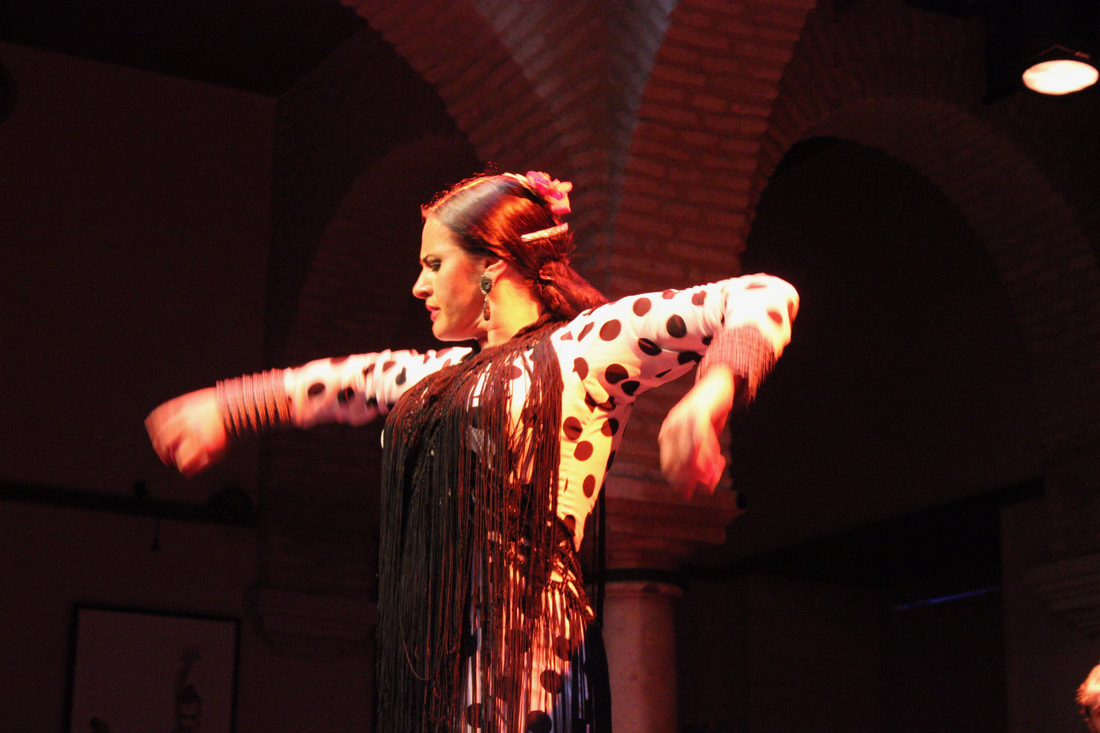
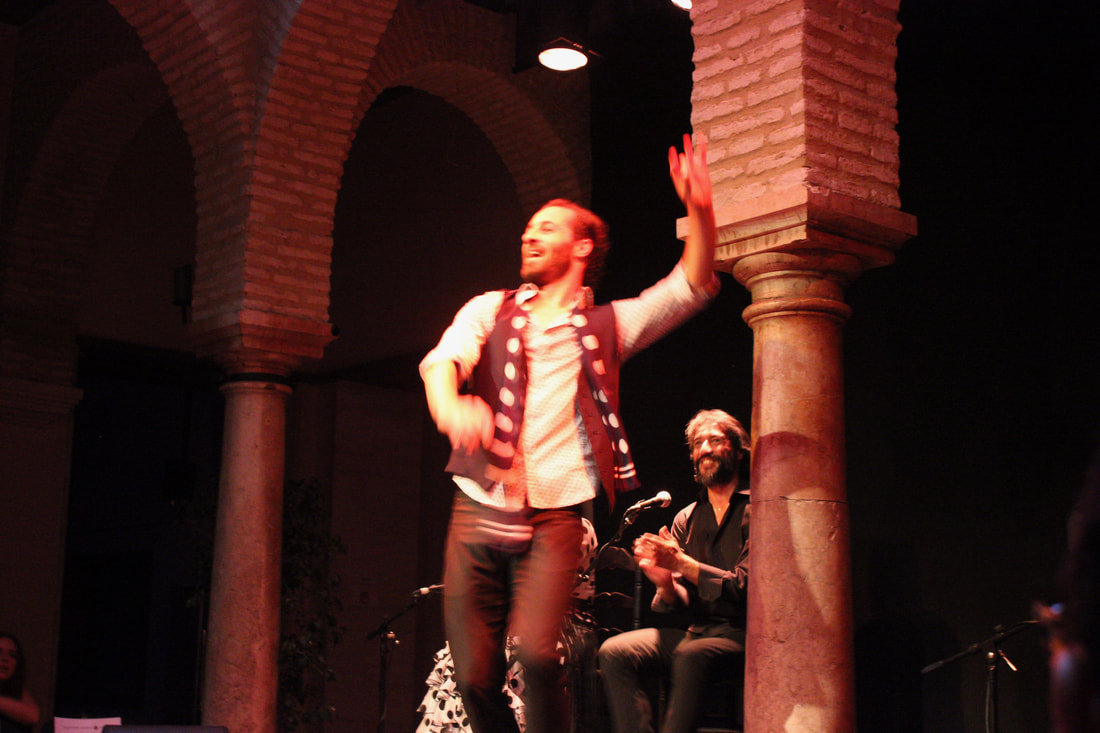
Flamenco is a part of Seville’s culture, and a must watch! Shows are available at various places and restaurants in town, but I suggest attending the show at the Flamenco Dance Museum. Not only does it attract some of the best dancers in town, the museum features various styles of art and dress. Some sensual Tango dance styles are integrated alongside the traditional flamenco performances. Check out the museum to discover more about flamenco history and culture in Sevilla. ​
Picture
Picture
Picture
AIRE Ancient Baths
For a relaxing, or romantic, experience, explore the best spa in town. Located near the cathedral is AIRE, a world-renowned spa operating inside a Mudéjar-style palace. 

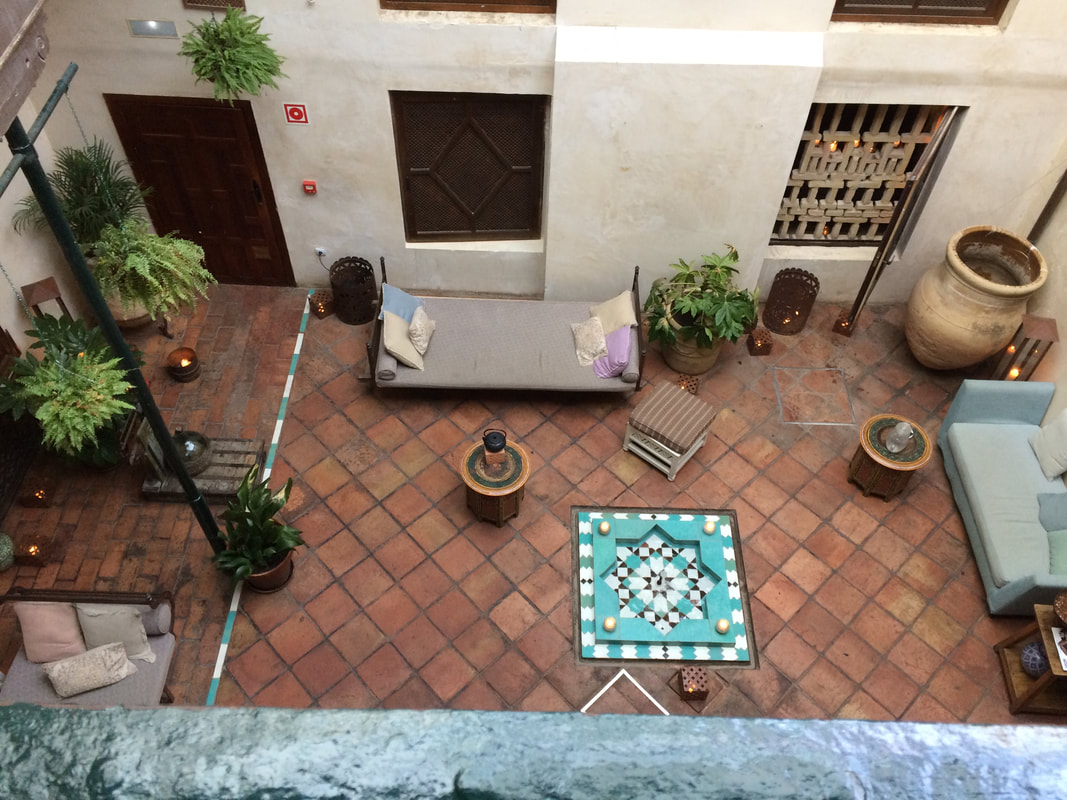
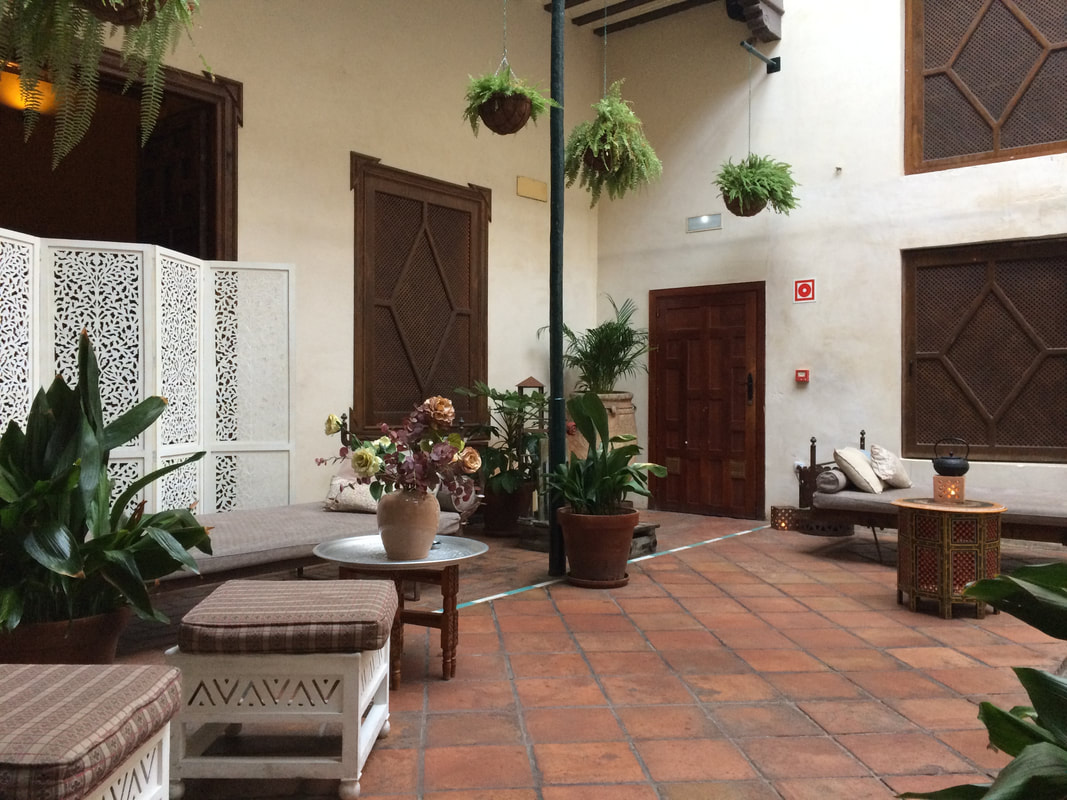
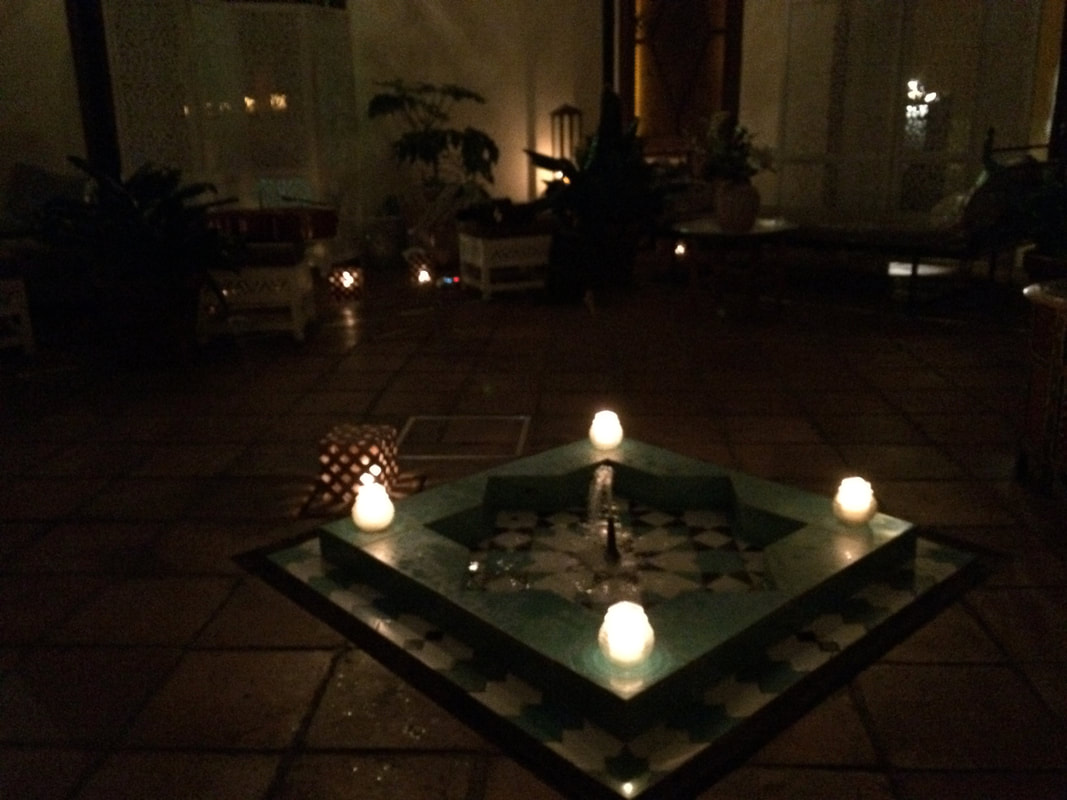
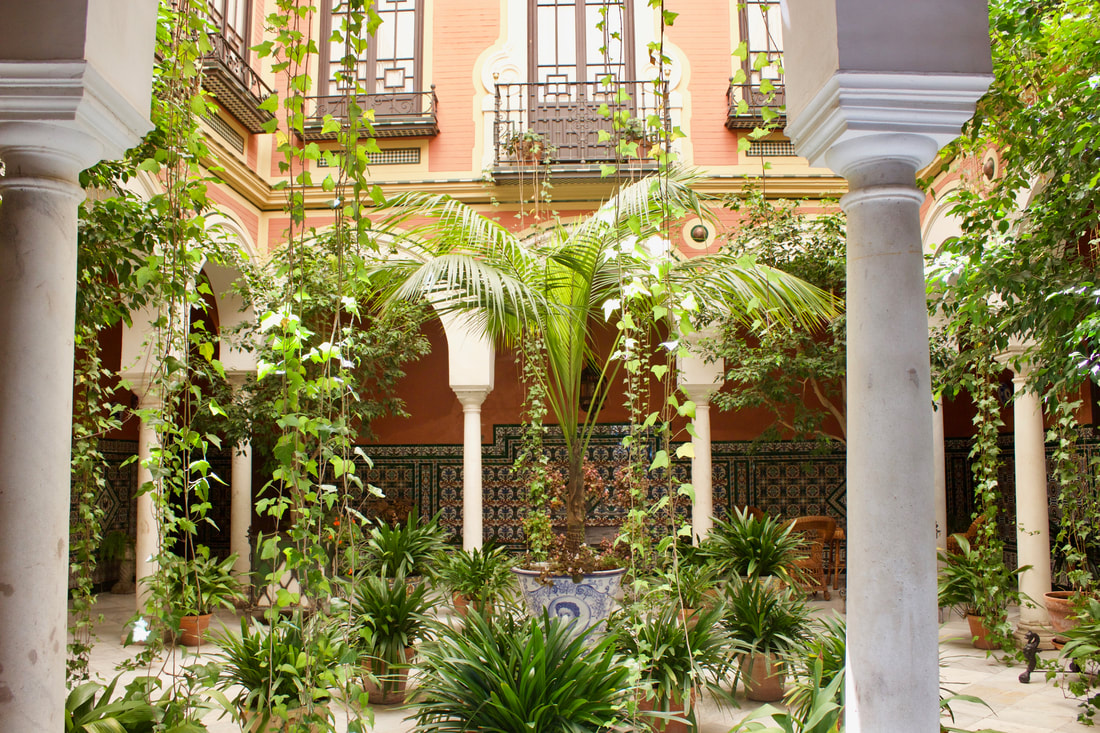
Upon entering the spa, guests arrive to a traditional Andalucía courtyard, decorated with countless plants and beautiful tiled walls. Guests are welcomed to the ancient baths, some containing salt water, to sit and soak the worries away. Special events occur frequently like a Spanish guitar serenading guests in the evening hours. Massage and bath experiences are also available for purchase such as a four-handed massage or bathing in a 17thCentury marble well filled with Spanish red wine. 
 
Picture
Exploring the Cuisine
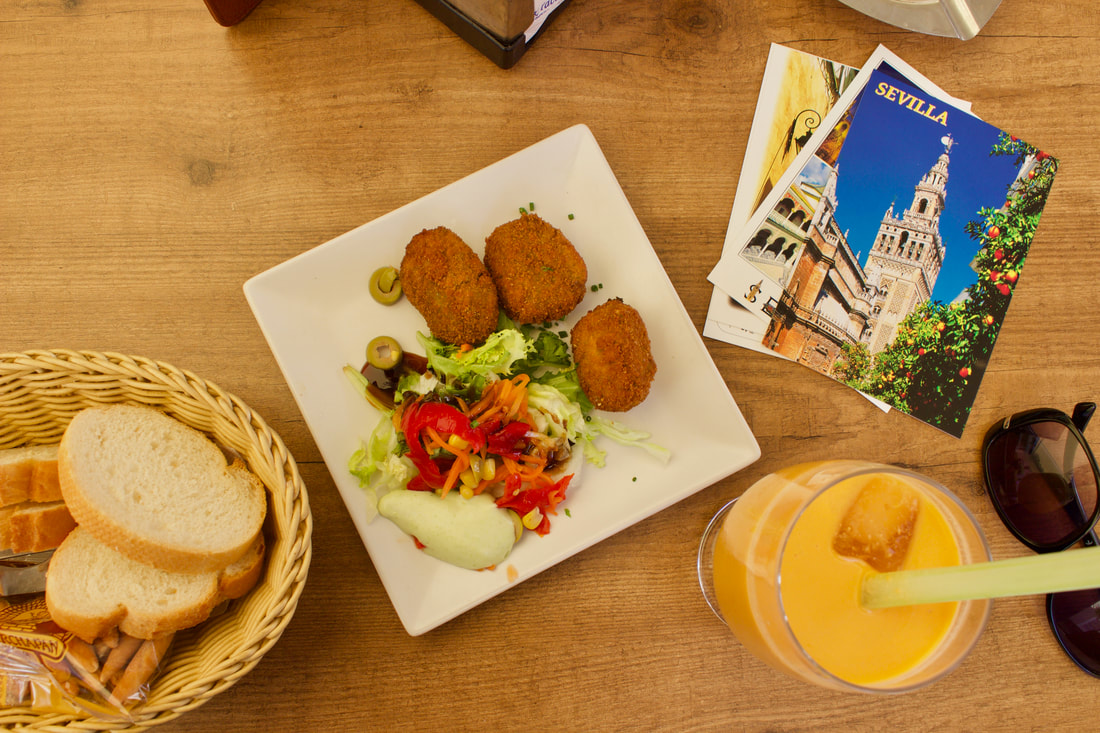
Most people come to Spain for the food as well as the culture. Since I can’t recommend meat options (since I don’t eat meat) I do recommend the gazpacho and Spanish tortilla in Seville. Gazpacho is an Andalucía specialty, a cold tomato soup, to keep locals fresh and chilled on hot summer days.  And don’t forget to try a freshly squeezed orange juice.  Discover more cafes on The Lemon Tree’s other blog post, “My 8 Favorite Cafes & Restaurants in Seville (for Gazpacho & Veg-Friendly Food).”
Picture
Picture
Picture
Picture
Mercado El Jueves (Thursday Flea Market)
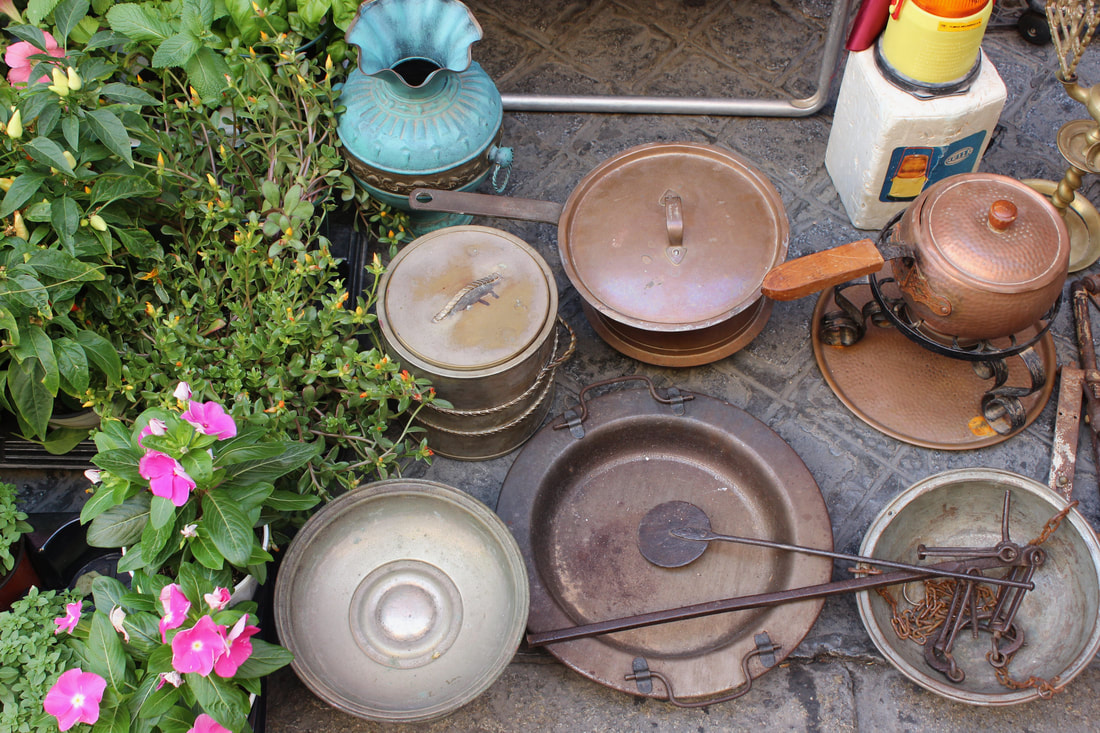
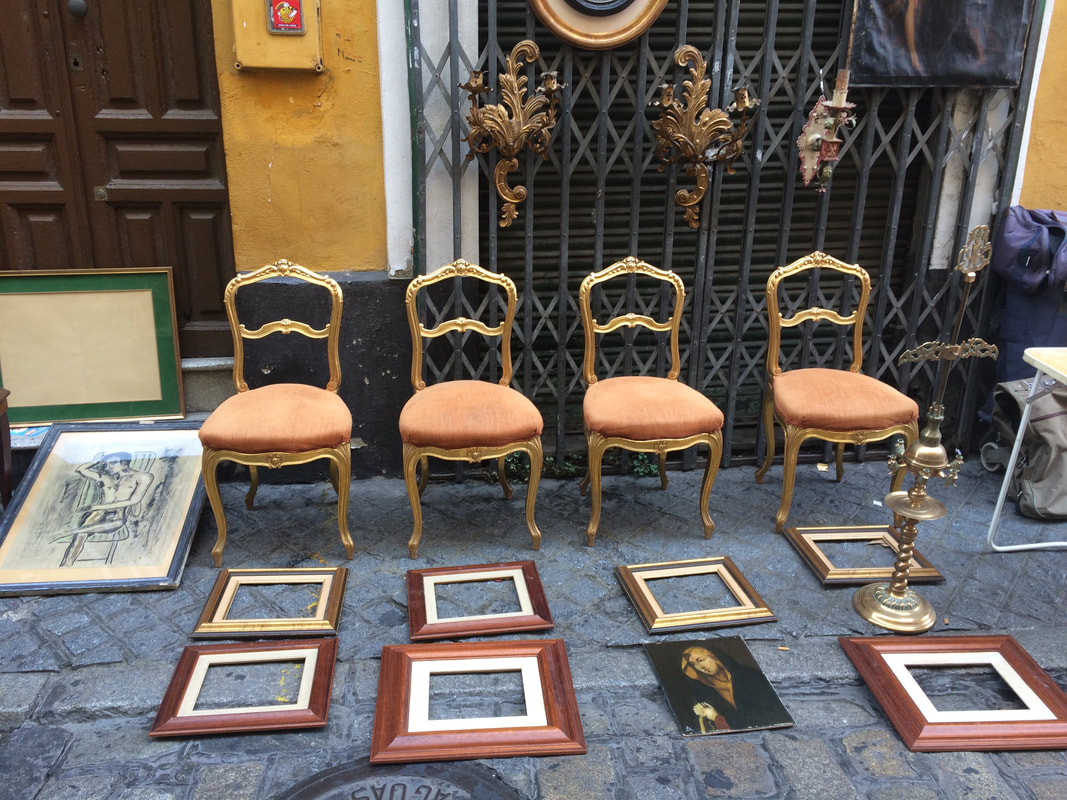
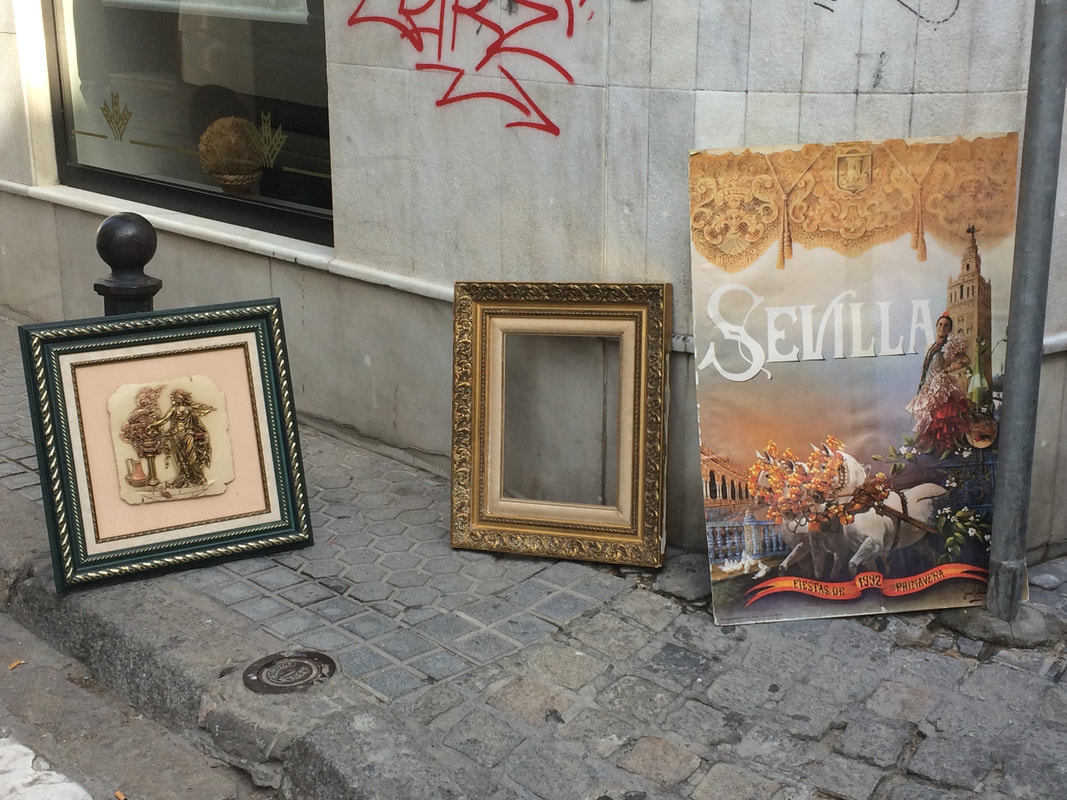
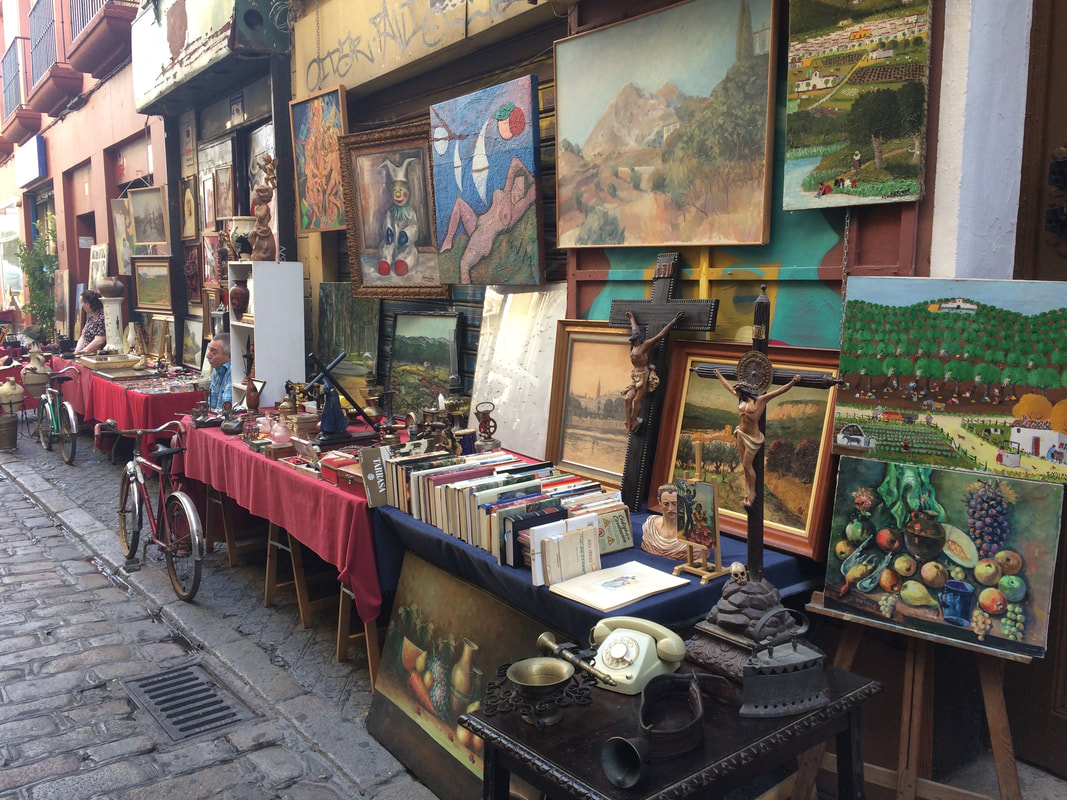
There are various flea markets in town, but if you must choose one, visit the Thursday flea market. This is one of the most vibrant shopping experiences in town, and shoppers find literally anything and everything that is old. Postcards, crosses, picture frames, 15thCentury pots, if you want it you can find it. Even if antiques are not your thing, it is worth a visit to people watch and chat with the local vendors. 

Picture
Picture
Picture
Enjoy the Squares, Oranges + Local Artists
Near Real Alcazar are various courtyards lined with orange trees. Here, you’ll find local painters selling small and large painting of Sevilla. The orange tree is a symbol of Seville and should not be taken for granted. Citrus trees and locals have coexisted for centuries and have been a part of the Spanish and Moorish diet for ages.
​
Visit the Patio de los Naranjos, near the cathedral to discover the supposed 16th Century orange tree cultivated by King Charles I. Do not steal any of the fruit, but do try the local orange marmalade. Discover some of the best fresh-squeezed orange juices in town at, 
“My 8 Favorite Cafes & Restaurants in Seville (for Gazpacho & Veg-Friendly Food).”
Picture
Admire Court Yards
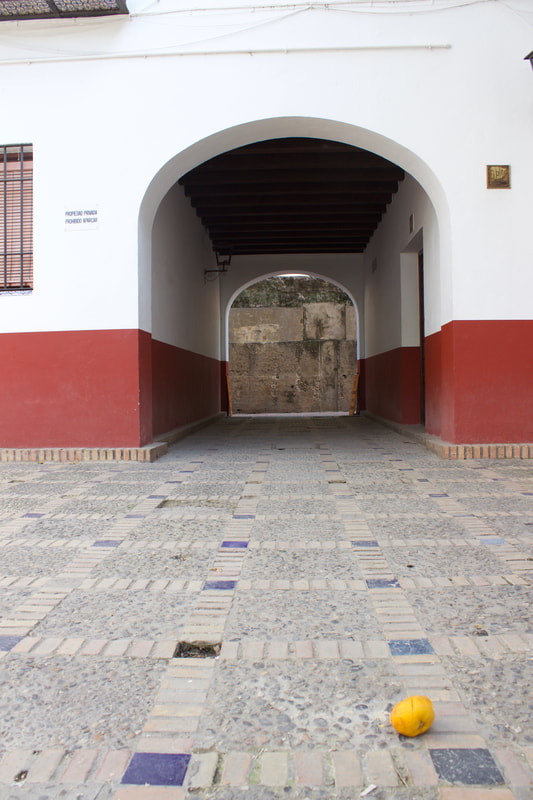
One of the most fun things to do in old town Seville is to admire the historic courtyards. Many are a the central "square" to an apartment, and even admiring through a wrought-iron gate is magnificent. Like Seville itself, the court yards are a natural and architectural wonder. 

Picture
Old Book Stores
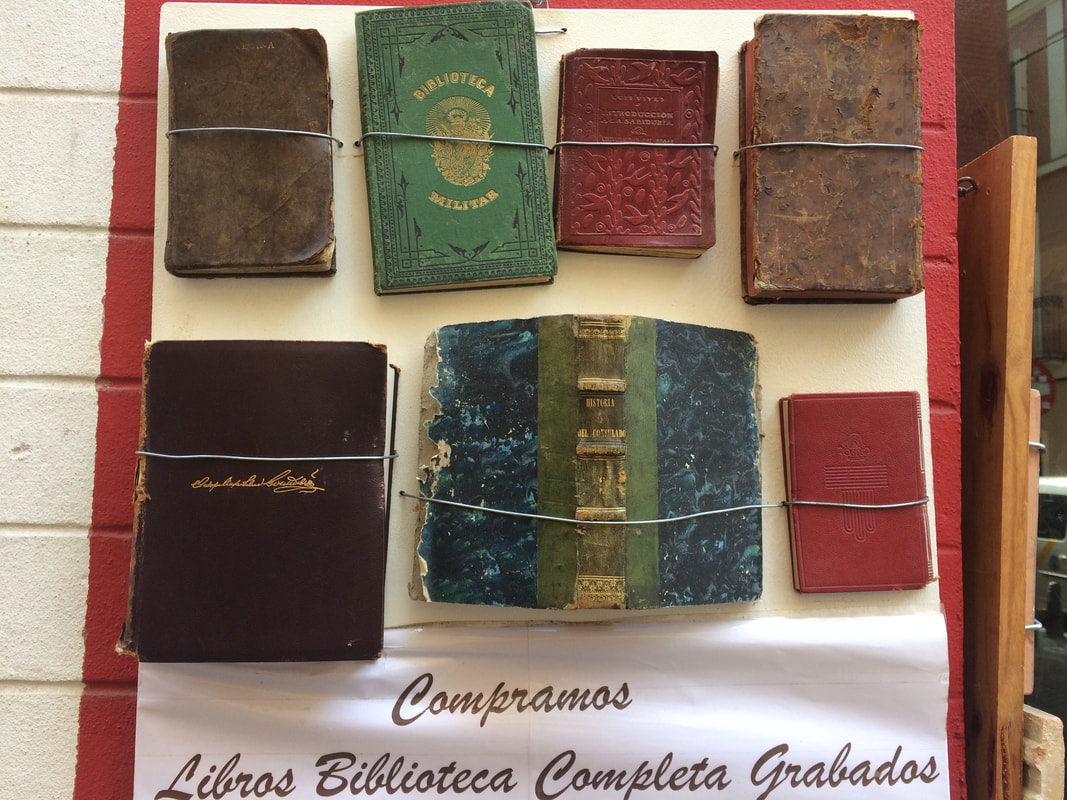
There is no shortage of antique and old book shops in Sevilla. At some of the markets, antiquities “as old as Seville” do exist. If searching for a 150 or 200-year-old book, most likely you can find at least one in town that doesn’t belong to a museum. 


What's your favorite spot in Seville? Let's Connect! 

This Lemon Tree article is now featured on GPSmyCity
.  To download this article for offline reading or travel directions to the attractions highlighted in this article, go to The Best Cultural Things to Do and See in Seville.
6 Comments

Vegan Restaurants in Tallinn, Estonia

2/19/2019

36 Comments

 
Picture
Tallinn, Estonia is one of the most beautiful medieval cities in Europe. Ancient and traditional, Tallinn also has room for progressive types of eating, which includes various vegan and plant-based restaurants in and around Old Town. If searching for somewhere healthy to eat, I recommend diving deep into a bowl of mushroom soup or possibly beet raviolis at one of these vegan establishments. 

Bliss Buffet
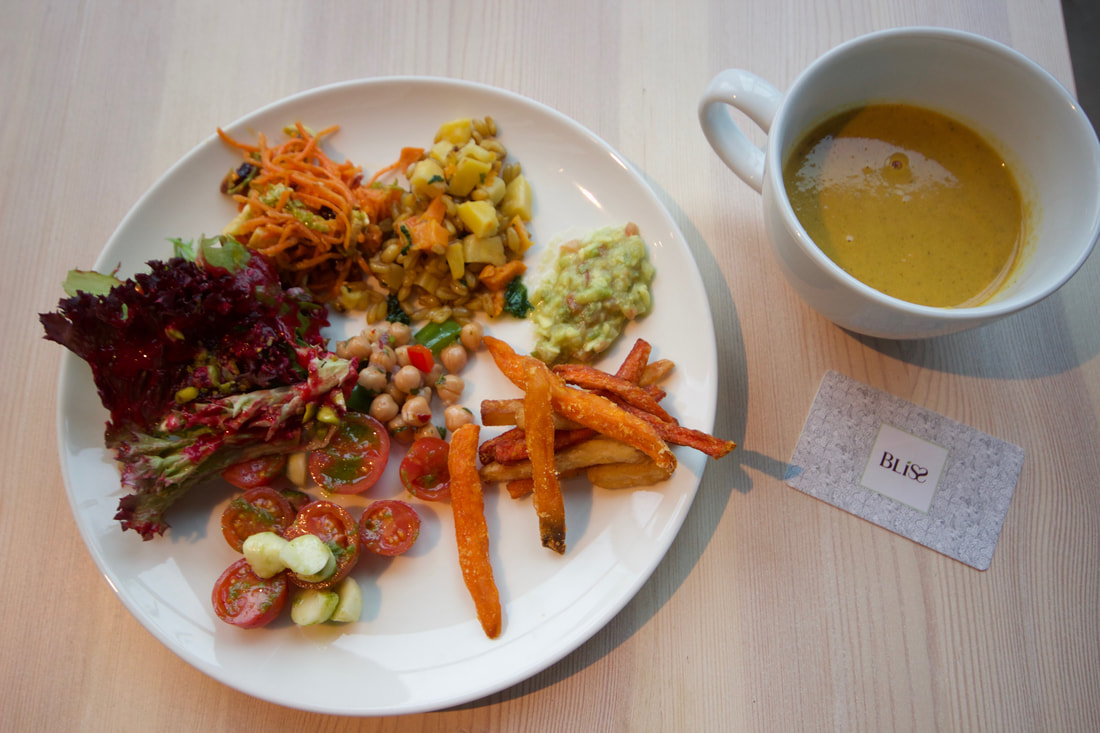
Bliss offers a daily vegetarian and vegan-friendly buffet that has over 100 dishes. Over 50 are gluten-free and about 50 lactose-free dishes. Here, you can find everything imaginable that the plant-craving stomach juices desire, with international favorites such as hearty chana masala, pumpkin soup and guacamole.  
 
Each person receives a bliss card and you can make unlimited trips to the buffet since they weigh the plate by the 100 grams. After meandering through the aisles, my soul yearned to dip my finger in every ounce of homemade dessert and ice cream. From salad to dessert to hot drinks and everything in between, you won't leave hungry. I walked here from Old Town, and it takes time and not much of a scenic route but achievable. 
Picture
Vegan Restoran V
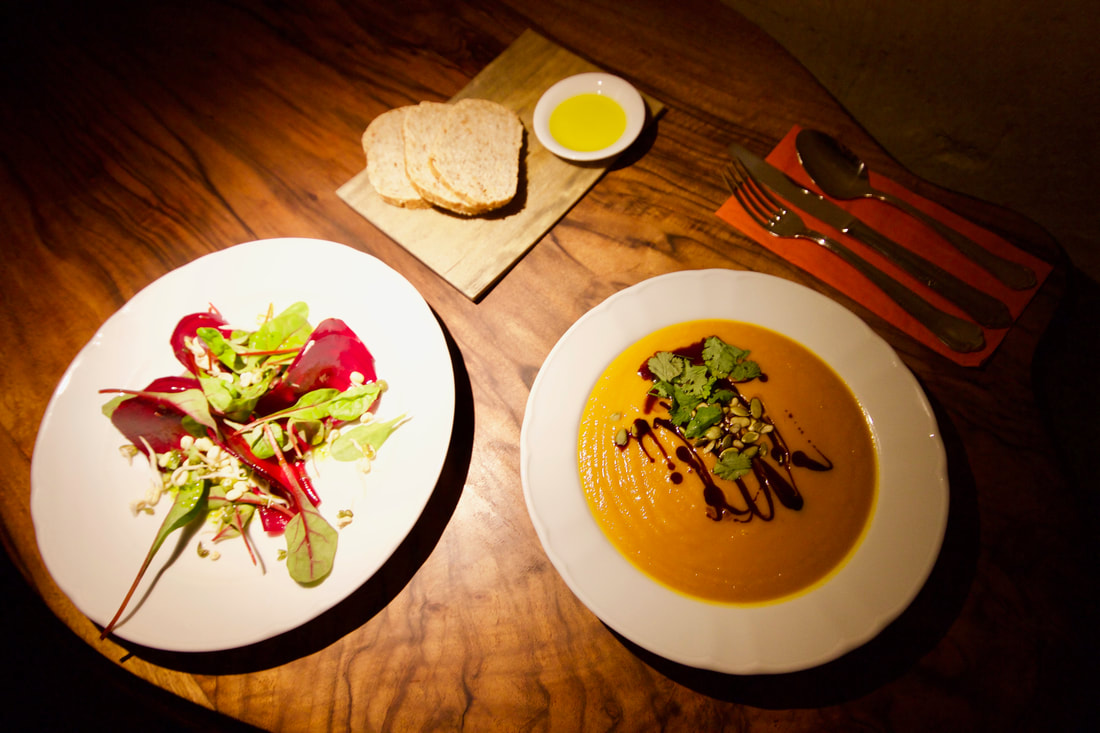
Known as the first vegan restuarnta in Tallinn, this crown jewel is a popular place amongst locals and plant-base tourists. Located in Old Town on Rataskaevu Street, the restaurant seats 30 and is often full. Reservations are recommended. A regular menu and special of the day is available. I tried the raw beet ravioli stuffed with cashew cheese and pumpkin soup. Both healthy and hearty for a cold winter's day in Tallinn. If you're not looking for a meal, they also serve various coffees, teas and desserts. 

Picture
Picture
Picture
Vegan Inspiratsioon
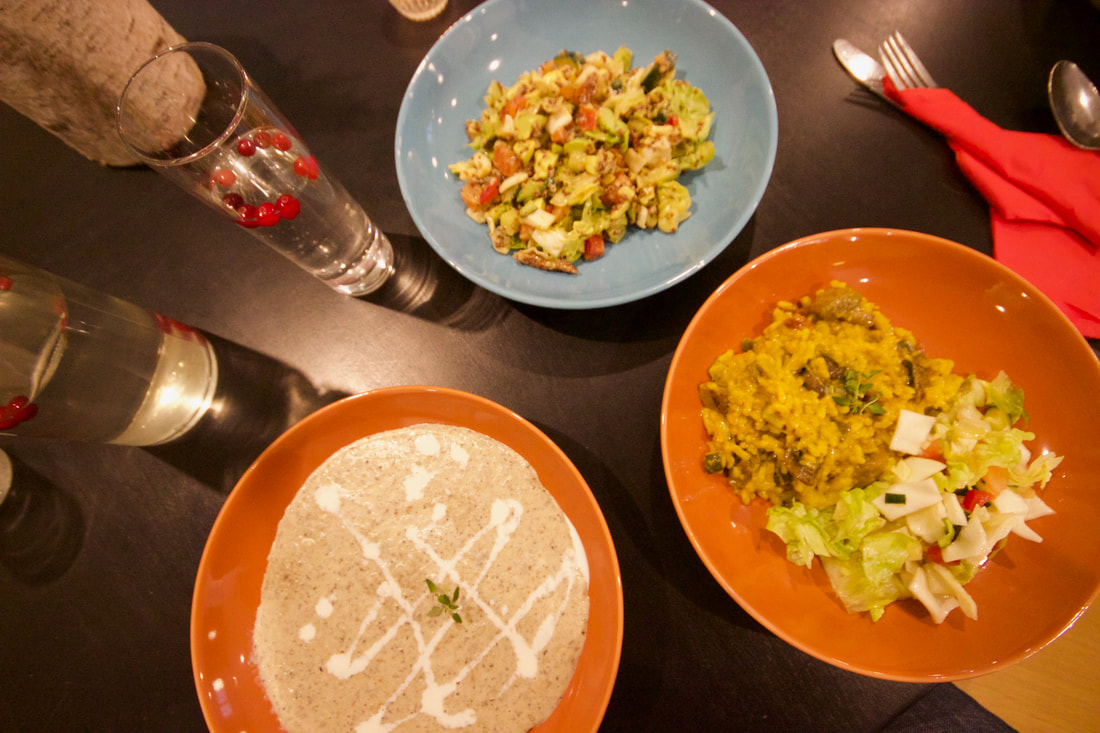
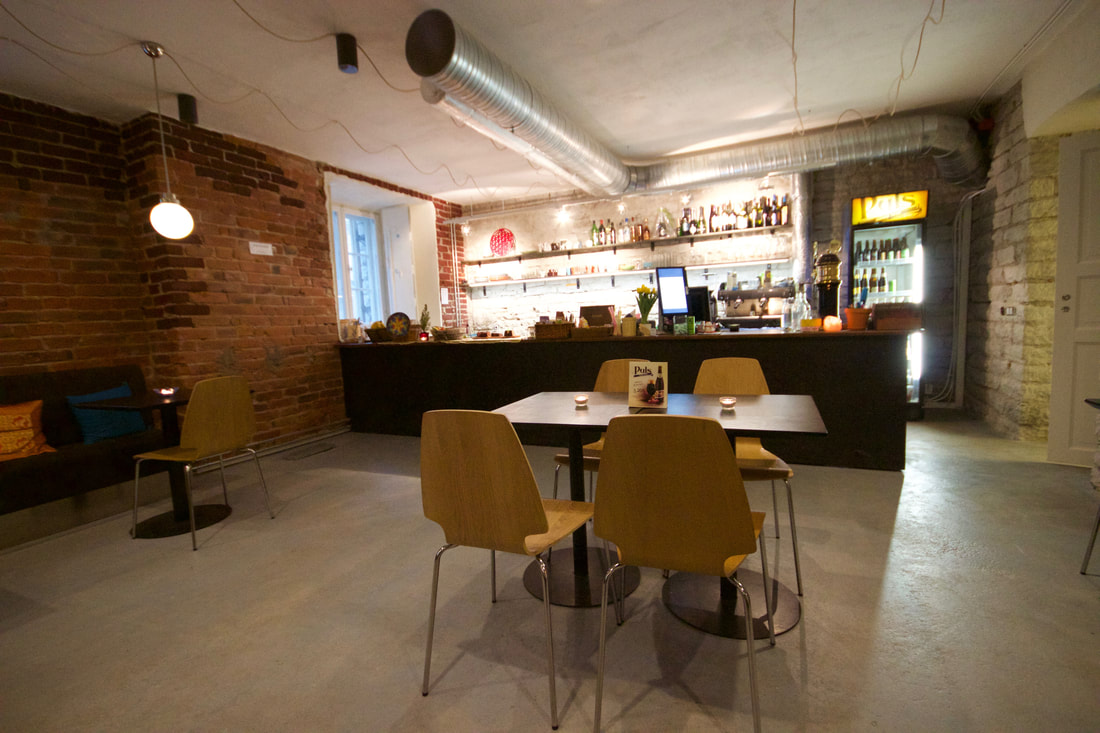
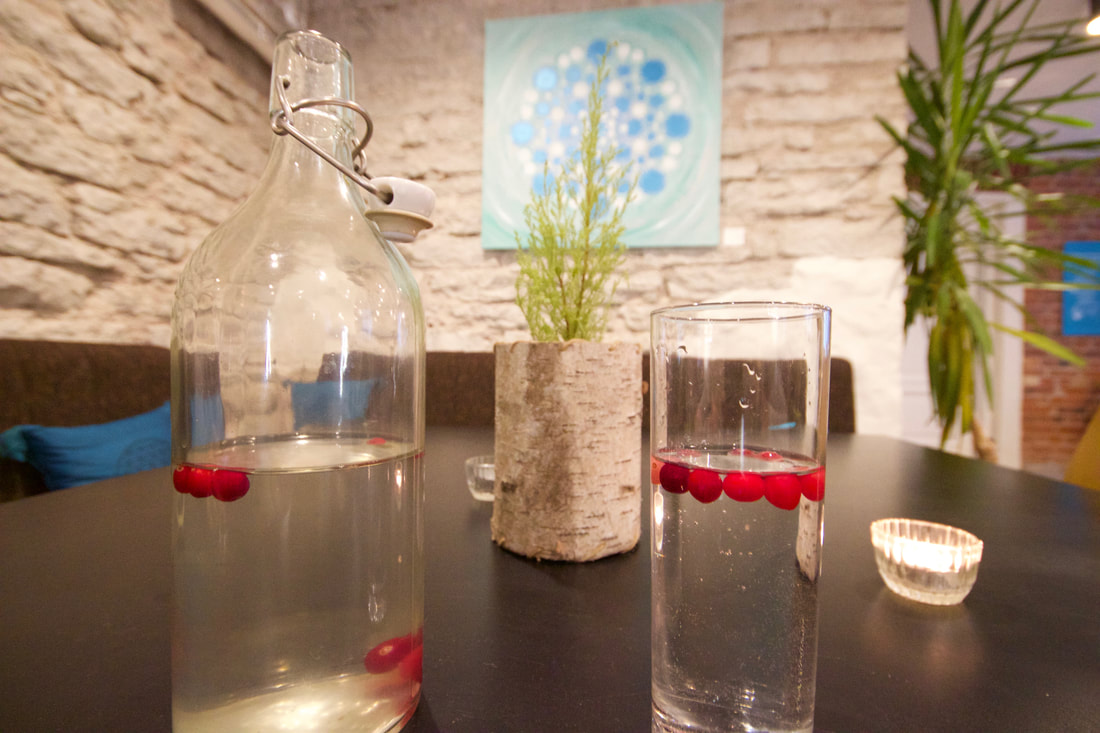
Casual and cozy, VI offers a variety of wraps, soups, burgers, smoothies and salads. Water in Europe is not cheap and rarely free, but here guests are accompanied with fruit-infused water to wash down every meal. Above we have mushroom cashew soup, avocado quinoa salad and an Indian-inspired bean and rice mixture. It's the perfect place to stay warm on a cold winter's day whether for a cup of tea or just a place to stay warm on a chilly afternoon. 

Puree
Puree is a standard health food bar, featuring juices, snacks, smoothies and sandwiches. Light lunch options are available. If looking for something quick and easy in Europe that doesn't take time, Puree's got your back. 

Veg Machine
For a quick bite of vegan comfort food in a cozy little atmosphere, be sure to visit Veg Machine. Known for its plant-based junk food, like burgers and fries, it's the perfect establishment for veggie fast food or a quick bite nearby the train station at an affordable price. Prices for a burger range between four to six Euros. The food stall is inside Balti Jaama Turg and offers a few chairs at the counter. 

Green Bakery
Located near the main bus depot, Green Bakery is a dairy-free cafe and bakery located in the Sikupilli neighborhood. Green Bakery also offers a buffet featuring a variety of salads, soups, main courses and desserts. If you don't fancy buffets, muffins, coffee and pastries are available and an ideal place to rummage through one of the many books for sale. Baked goods and pantry items are also sold here. 

Tallinn features plenty of other vegan options, and I suggest checking out the Happy Cow website to confirm restaurant hours of operation. We live in a changing world, and be sure to check that these small business establishments are still operating and in the same location. These are four places I recommend, though you can't go wrong with vegan food anywhere in the world. 


Looking for other Tallinn tips? Here are some of our other Tallinn Blogs. 
Vegan in Tallinn, Estonia: Bliss Buffet & Restaurant
​
10 Historical Sites You Can't Miss in Tallinn, Estonia
​
The Best Historic Cafes You Can't Miss in Tallinn, Estonia

This Lemon Tree article is now featured on GPSmyCity.  To download this article for offline reading or travel directions to the attractions highlighted in this article, go to Vegan Restaurants in Tallinn, Estonia.
Follow
36 Comments

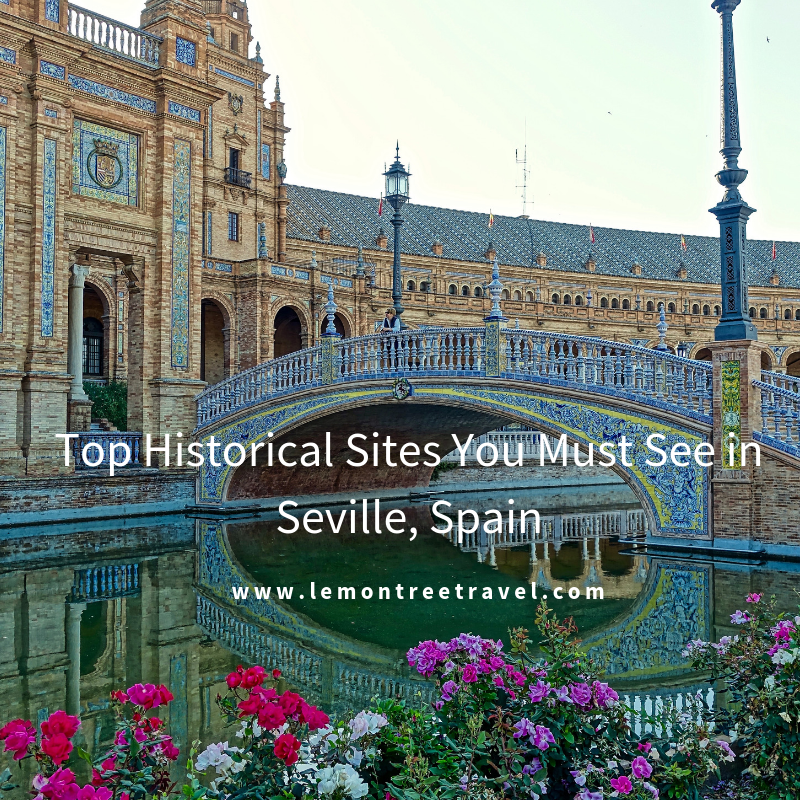
Top Historical Sites You Must See in Seville, Spain

2/14/2019

2 Comments

 
Picture
From the Romans to the Moors to the Catholics, Seville has quit a history. One for the books, it's impossible to discover all of its past in just a few days. If looking for some of the most prominent historical sites in Seville, be sure to check out these places and spaces. 
Picture
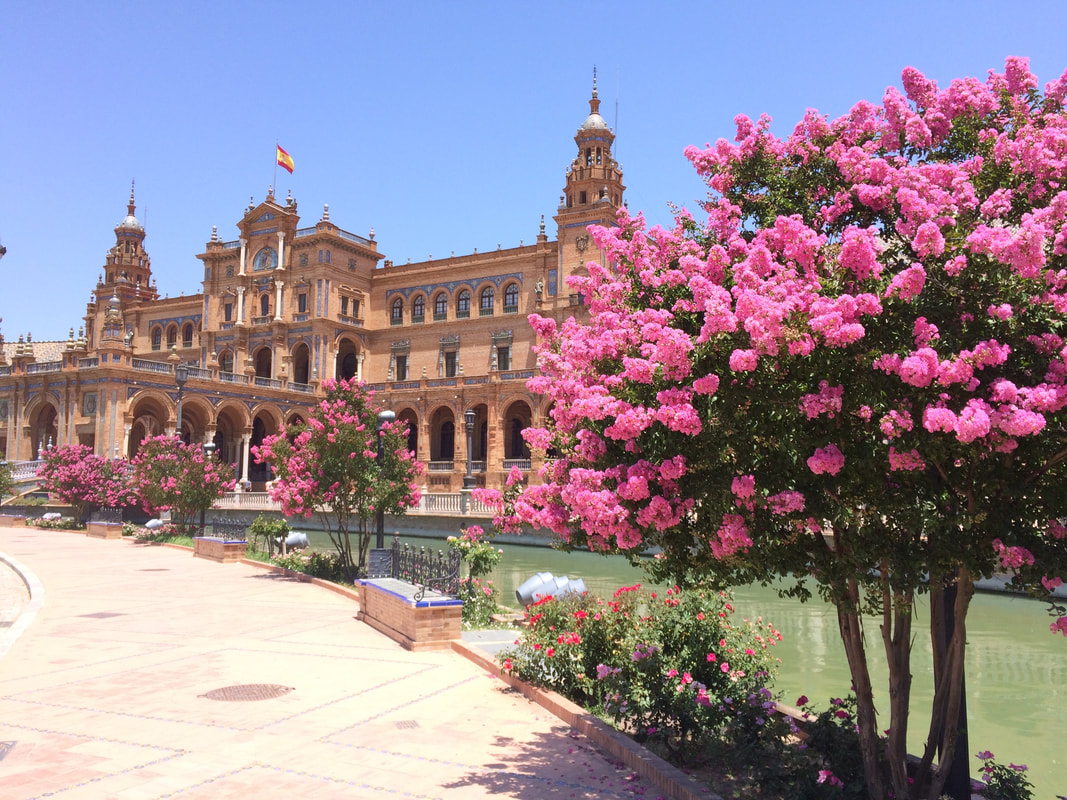
Parque de Maria Luisa
If you visit only one park in Spain, Maria Luisa Park is it. The vast complexity of the interconnections between nature and architecture is mind-blowing. You'll discover everything from flowered vintage trellises to a patch of fallen oranges basking in the sunlight.  The architectural elements from elegant gazebos to the prominent Plaza de España, discover a piece of Seville history. I spent wandered for two hours in the park, and discovered only a piece of the park. If hungry, eat at the adjacent Bar Citroen cafe as depicted in my recent "Favorite Restaurants & Cafes in Seville."
Picture
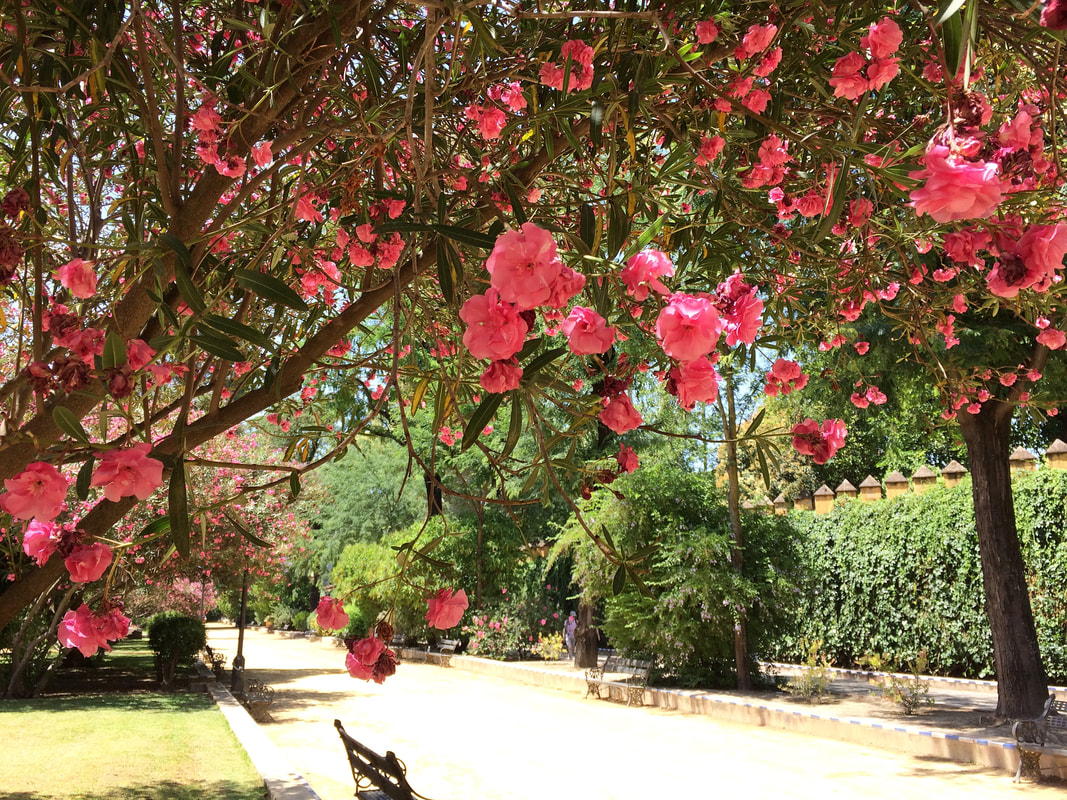
Jardines de Murillo | Jardin de Catalina de Ribera
​Between the ancient Alcazar wall and Paseo de Catalina de Ribera, is the Jardines de Murillo. In late May and early June, pink petals gently sway in the wind falling alongside ceramic benches and water fountains. Named after the 17th century Sevillan painter Murillo, discover various monuments, including the notable Christopher Columbus statue.

In this garden, marvel at pieces of the Walls of Seville, which were once defensive walls surrounding the Old Town of Seville. The wall originally had 18 gates, but only four of those exist today. 

Picture
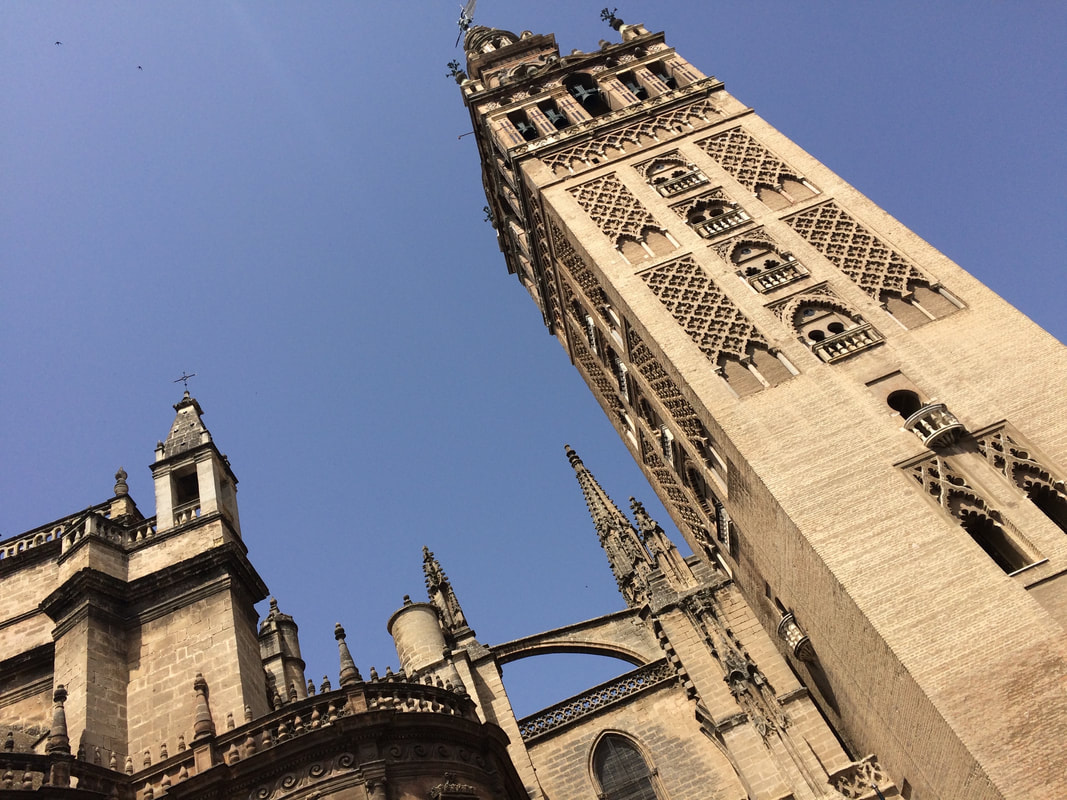
Seville Cathedral
This Roman Catholic Church is one of the highlights in Seville. Completed in the 16th Century, the Seville Cathedral became the largest church in the world supplanting the Hagia Sophia in Istanbul. The Giralda Tower is 343 meters in height, and was covered into a bell tower after the Reconquista. The "El Giraldillo" statue on top was installed in 1568 to represent the triumph of the Christian faith. The cathedral contains the remains of Christopher Columbus's remains, which has once been transported to various places around the globe. 

Picture
Real Alcazar
A must in Seville, Real Alacazar is a place not only to discover lush gardens, but to revisit Sevilla's history. This is one of the oldest palaces left in the world, and an authentic representation of the southern Mediterranean battle between the Moors and the Christians. Constructed began in 913 by And Al Ramn III, and throughout it's history, Real Alcazar experienced several architectural face lifts throughout time.  While inside you'll discover precious moments of flora and fauna, but highlights include 
Mudéjar and Patio de las Doncellas.

Beyond tile-lined benches and tree-lined footpaths, experience a variety of artifacts and paintings in the indoor museum. A small cafe with outdoor seating is also available.
Pontius Pilates' House | Royal Ducal House of Medinaceli
n 1520, Don Fadrique Enríquez de Rivera, the first Marquis of Tarifa, returned to Spain after a two year journey through Europe to the Holy Land.

According to vuelasevilla.com, "Marquis de Tarifa discovered that the distance from his house to a small temple at Cruz del Campo was exactly the same as the distance between the former house of Pontius Pilate and the Golgotha (the biblical name of the place where Jesus was crucified). 
Back at home, the Marquis created a Way of the Cross with twelve stops along the path to the temple. Hence people started to identify the palace with the House of Pilate and over time it became referred to as such. Several rooms of the palace also have been given names referring to Pontius Pilate such as the Praetor's Room and the Praetor's Study."
Santa Cruz Neighborhood | Plaza de las Cruces
Santa Cruz is Seville's oldest Jewish Quarter and one of the most popular areas with tourists, and for good reason. The narrow streets and alleys are like a labyrinth amidst ancient architecture and walls that protect locals from the beaming sun. Plaza de las Cruces is worth a stop to admire three columns topped with wrought-iron crosses. The tallest of the three crosses is a Roman column that once belonged to an unidentified Roman monument. 

Check out our other Seville Blogs! Let's Connect!

7 Must-Visit Parks & Gardens in Seville, Spain
​
My 8 Favorite Cafes & Restaurants in Seville (for Gazpacho & Veg-Friendly Food)

This Lemon Tree article is now featured on GPSmyCity.  To download this article for offline reading or travel directions to the attractions highlighted in this article, go to Top Historical Sites You Must See in Seville, Spain.
2 Comments

10 Historical Attractions You Can’t Miss in Salzburg, Austria

1/31/2019

6 Comments

 
Picture
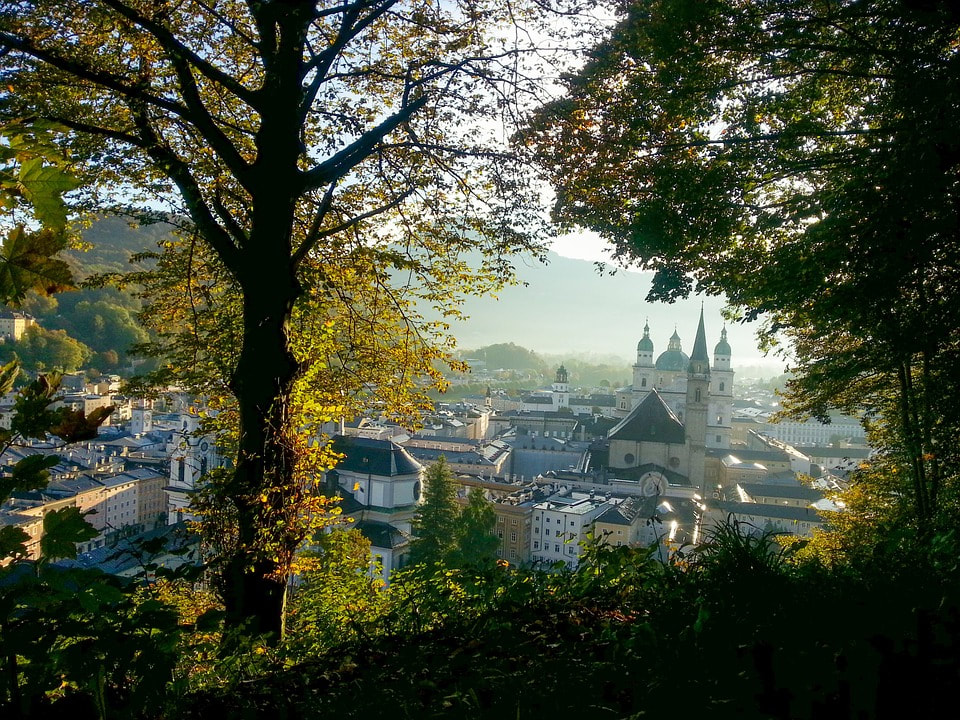
This history of Salzburg is quit a tale, one that dates back to the Neolithic era around the 5thCentury BC when the Celts arrived to make this their home. Eventually the Romans conquered Salzburg, which at the time was name Juvavum and belonged to the Kingdom of Noricum. St. Rupert, the “Founder of the City,” arrived in the 8thCentury, and built the basilica naming it ‘Salzburg.’ This translates to ‘Salt Castle’ and throughout the centuries, Salzburg has kept its name. There are countless historical sites to see and visit, but be sure to experience some of the most notable landmarks and places in the city. ​
Picture
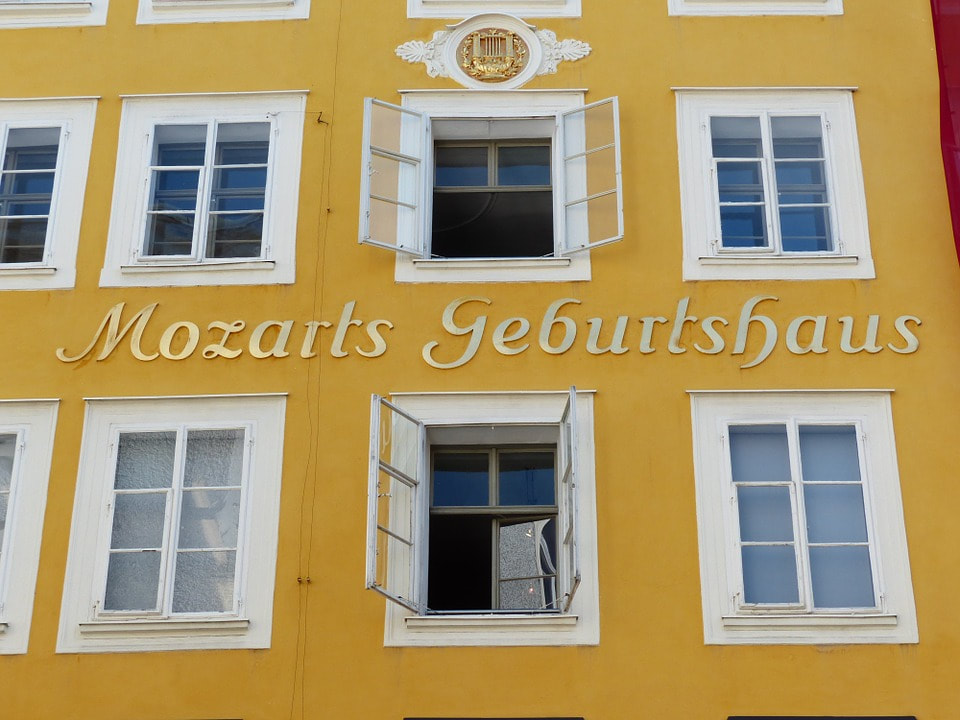
Mozart's Birthhouse
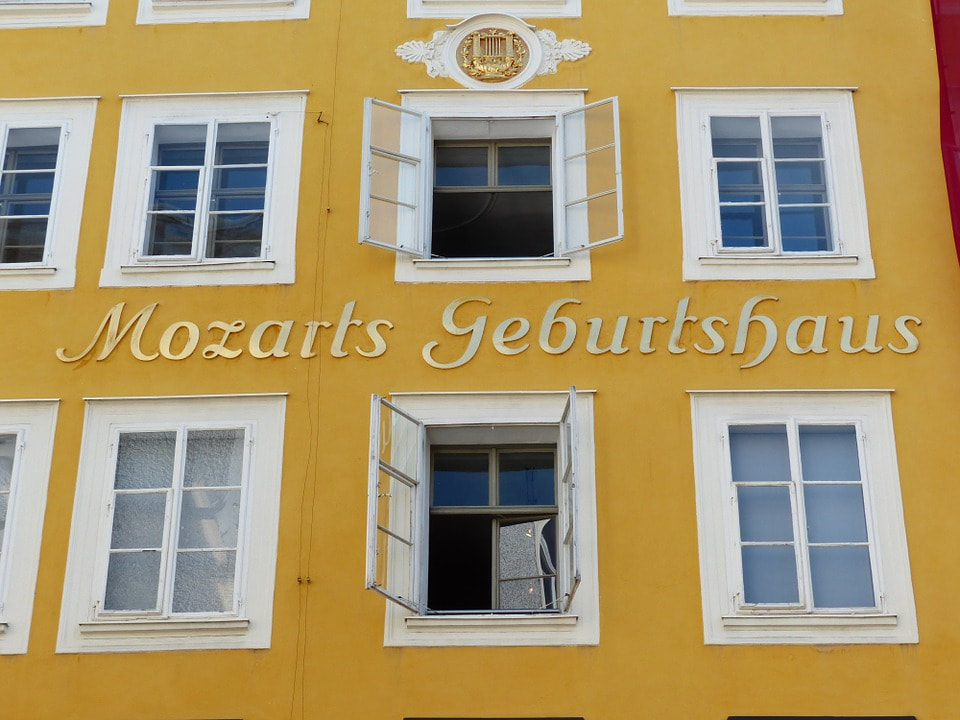
Mozart is the beloved son of Salzburg. Located at Getreidegasse 9 is the birth home of Mozart. Born on January 27, 1756 in the "Hagenauer Haus," this is where Mozart's family lived for 26 years on the third floor. In 1773, the family moved the "Mozart Residence" in Marketplatz Square. His birth home became a museum in 1880 thanks to the International Mozarteum Foundation. The museum is open to the public showcasing original rooms, with the furnishings remaining as authentic as possible. Walking tours are also available.
 
Discover more about Mozart and his life in Salzburg on our recent blog, Exploring the Life of Mozart in Salzburg. 

Picture
Getreidegasse + Goldgasse
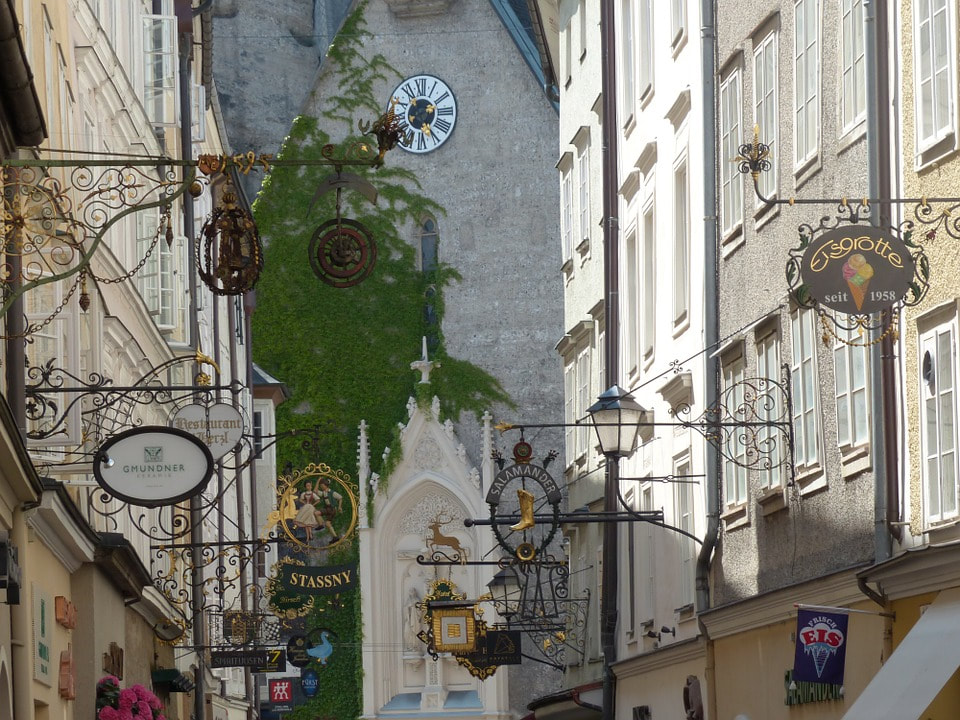
Getreidegasse sits in the heart of Old Town and contains some of the oldest and original shops in Salzburg (that do not exist today).  House number 9 is Mozart’s birthplace. Many shops are higher end and / or corporate stores. 
 
Goldgasse is a small and narrow medieval lane that runs from Alter Markt Square to Residenplatz. The street features locally owned shops such as antique stores, bookshops and art galleries. Back in the day locals knew this by other names such as, Schlossergasse (locksmith lane), Milchgasse (milk lane) or Sporergasse (lane of the people who make horseback riding accessories).

Altes Rathaus – City Hall
This medieval four-story building was originally a burgher house. In 1407, the city council purchased the building to use as a court house.  The supposed “Golden Age” for the Rathaus occurred in the late Middle Ages and Reformation time period when civil-war like riots occurred known as Bauernkriege. At certain points in history, the Rathaus served as a night watch tower. Some claim the clock on the Rathaus is the oldest clockwork in Austria. 

Picture
Picture
Picture
Picture
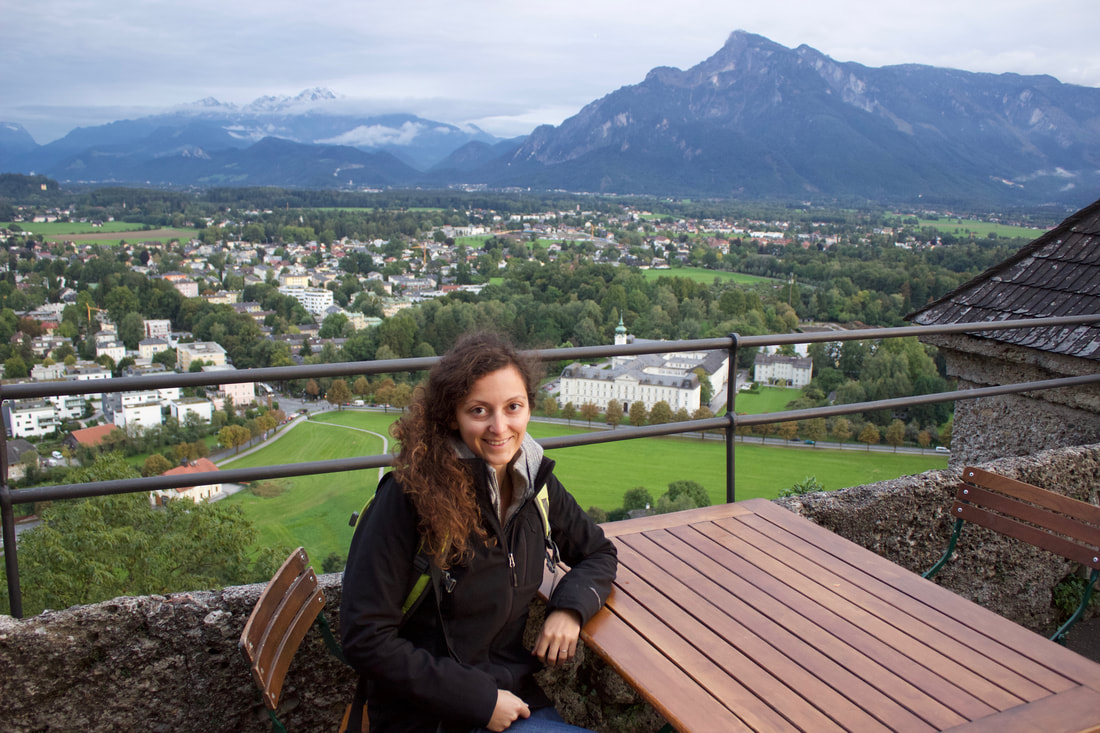
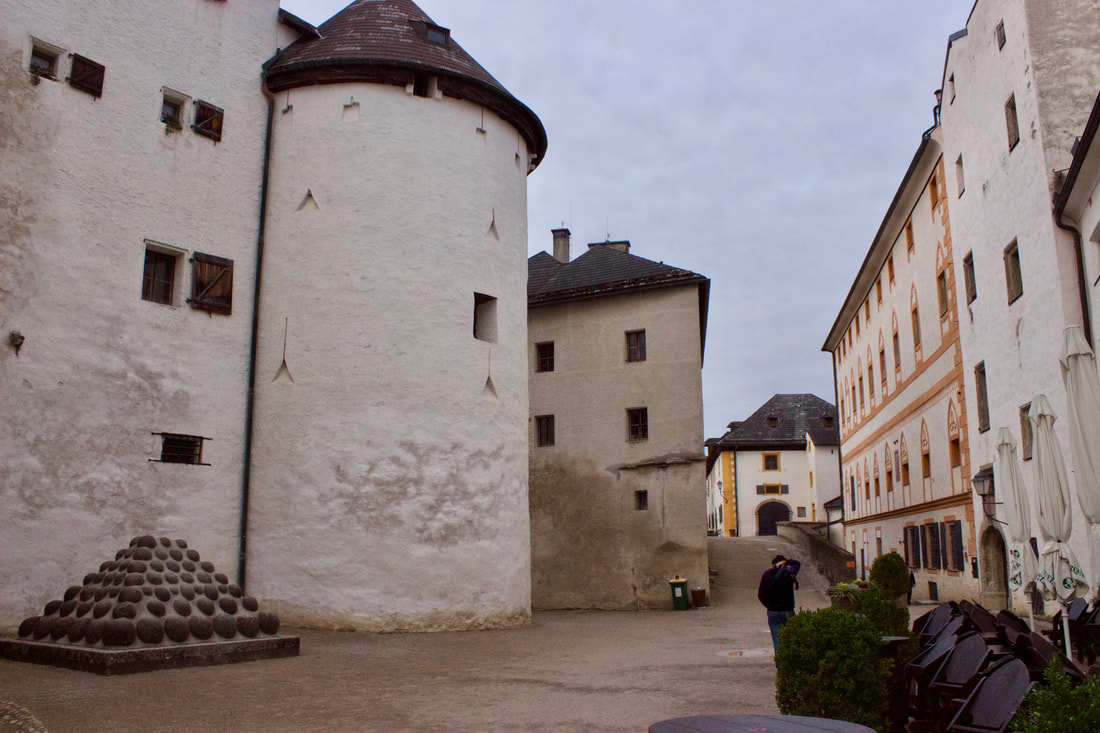
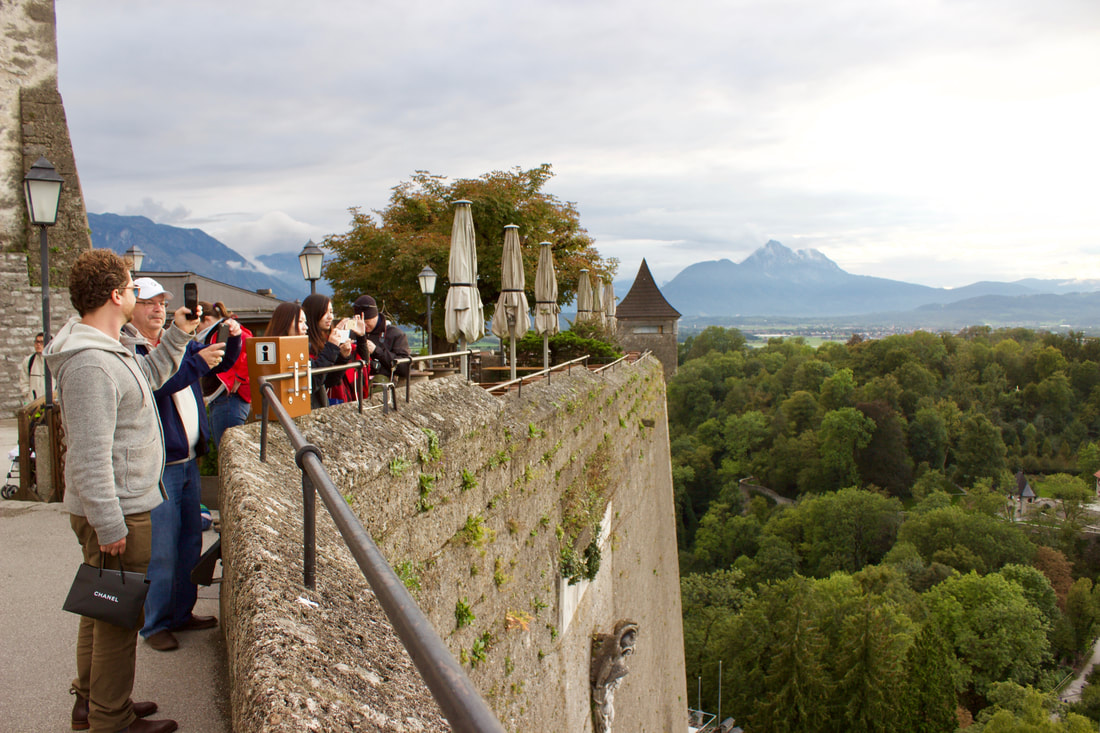
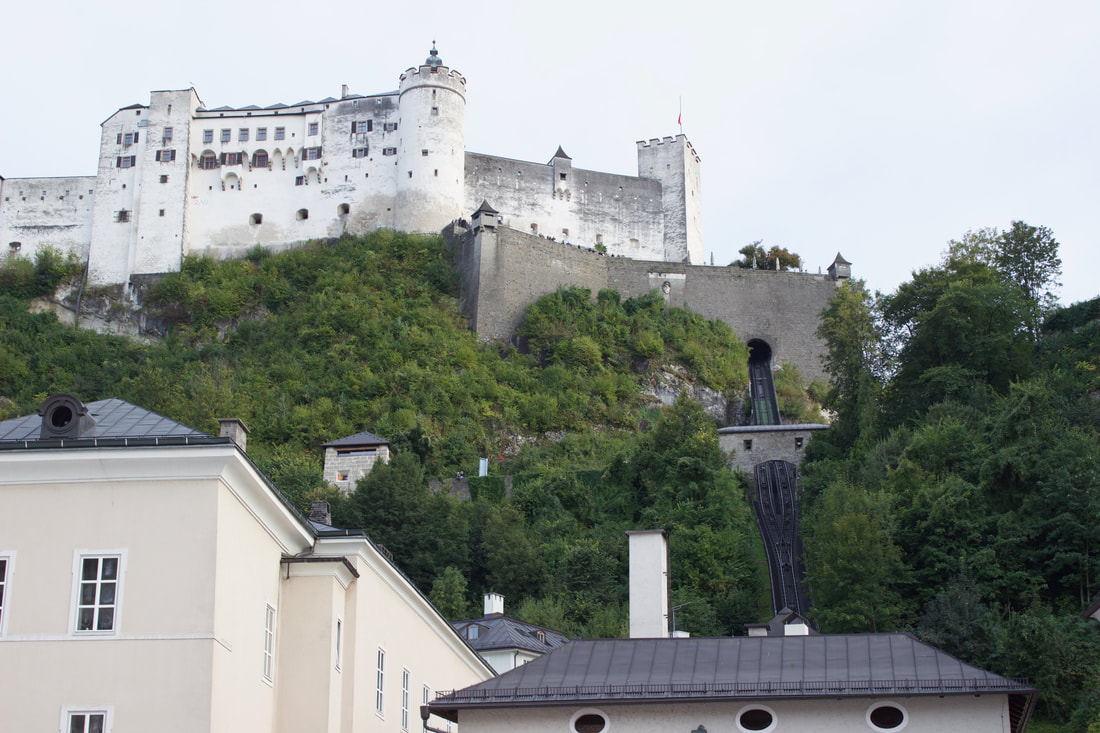
Hohensalzburg Castle
This medieval castle is a must-visit landmark in Salzburg. Not only are its roots ancient, but it features some of the best lookout points in the city. Archbishop Gebhard von Helfensteininitiated construction in 1077.  Structures originated during the Roman Empire, but further expansions occurred throughout the centuries under each ruler. Prince-Archbishop Leonhard von Keutschachexpanded the castle between 1495-1519. Notable points of interest include the bedchamber, the golden chamber and the Chapel of Archbishop Leonhard von Keutschach.

During World War I, the castle housed Italian prisoners of war. Today, it is a major tourist attraction and features a mountain-side view restaurant and scenic viewpoints overlooking the city.
  
Take the tram for a quick and easy way to reach the top. 

Nonnberg – Nunnery / Abbey
Founded between 713-715, this is the world’s oldest nunnery that’s existed without closures or interruptions. St. Rupert founded the nunnery, but his sister St. Erentrudis operated the facility. The nunnery is notable thanks to starring in the “Sound of Music.”  The nunnery has seen a few face lifts throughout the centuries to fire and damage, but it still contains a crypt with the tomb of St. Erentrudis.
 
Picture
Picture
Picture
St. Peter's Church + Cemetery 
​This 7th Century Baroque church is one of the most beloved sites in Salzburg. Inside guests marvel at the striking Christian architecture. 
 
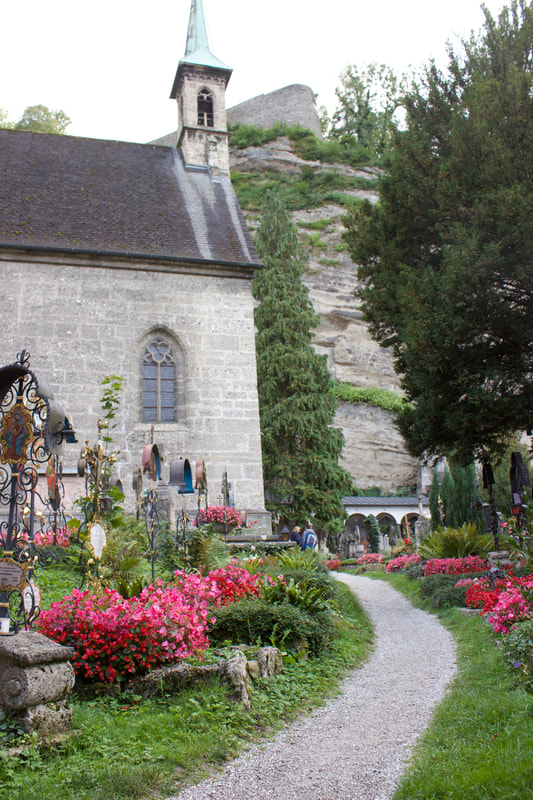
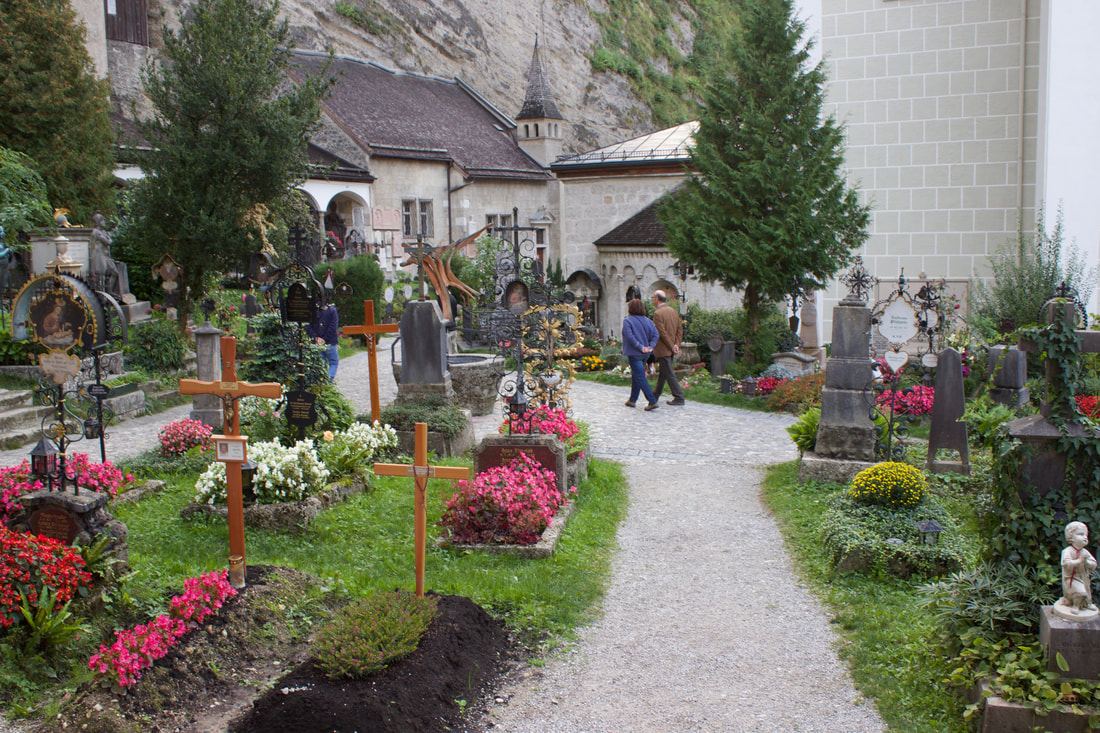
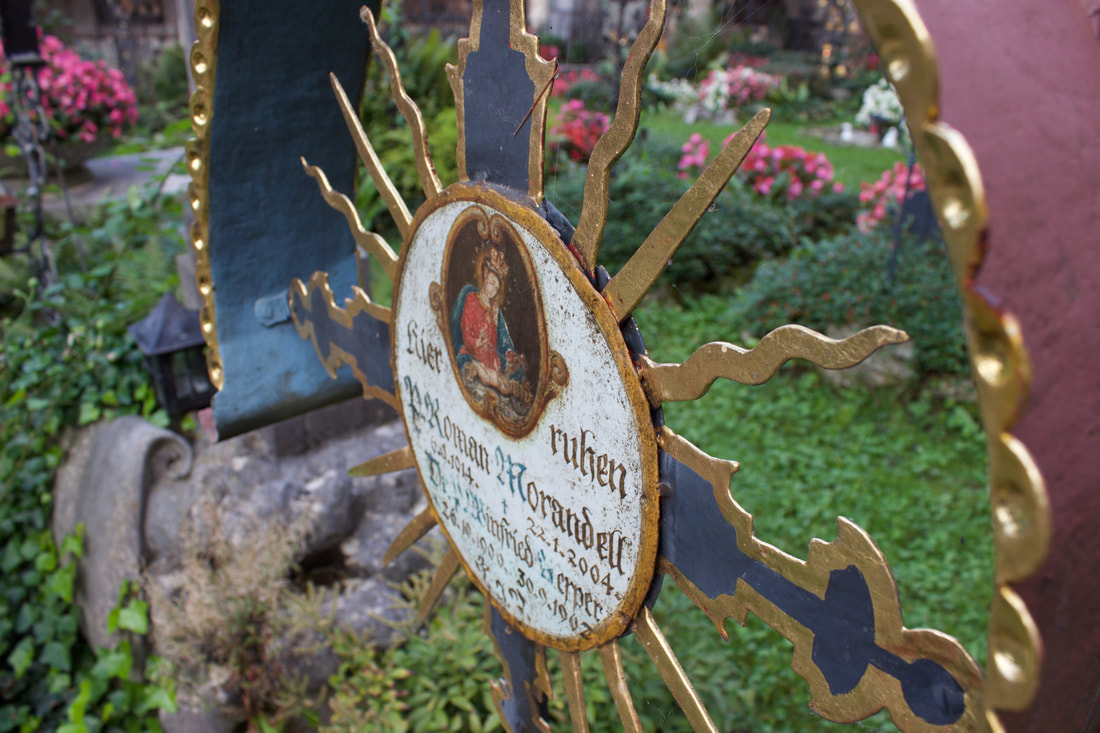
The cemetery is one of the most beautiful and oldest burial grounds in Europe. The grounds feature a beautiful array of flowers and decorative tombstones, for those who want to go out in style. Buried here are notable artists, scholars, merchants and locals such as Mozart’s sister, Nannerl. The cemetery also contains a Christian catacomb, which dates back to late antiquity. Found in the Mönchsberg, the entrance is adjacent to the Nannerl and Michael Haydn gravestones. After walking 48 steps is the 1178 “Gertrauden Chapel” and the next 36 steps is the “Maximus Chapel.” The cemetery and catacombs were the backdrop to the Sound of Music movie. 
 
Mozart and Haydn both have close ties with the church.  This is where the first performance of Mozart C Minor Mass took place on October 26, 1783. Still to this day, the performance takes place here during the Salzburg Festival. 

Picture
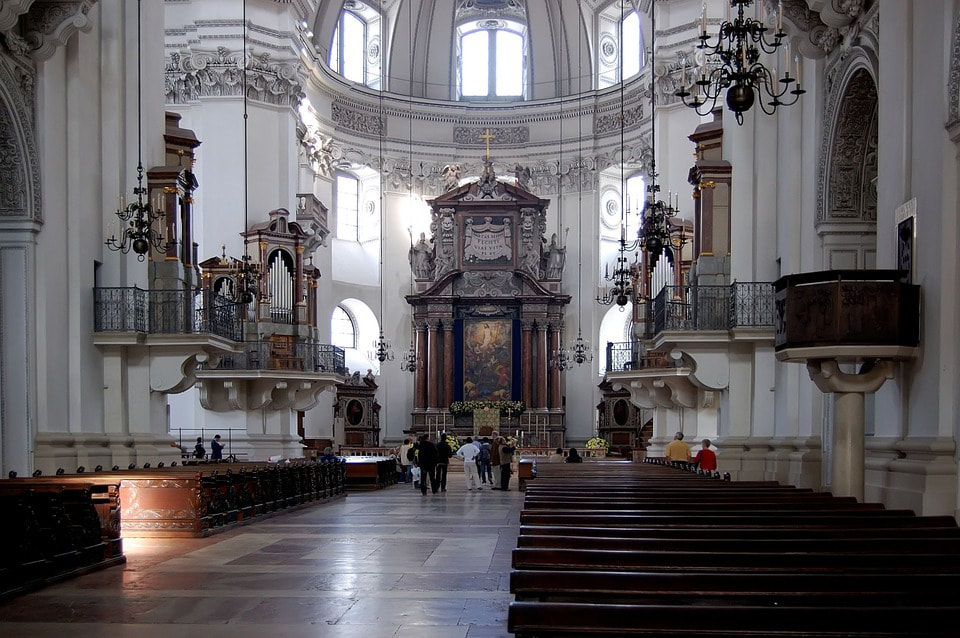
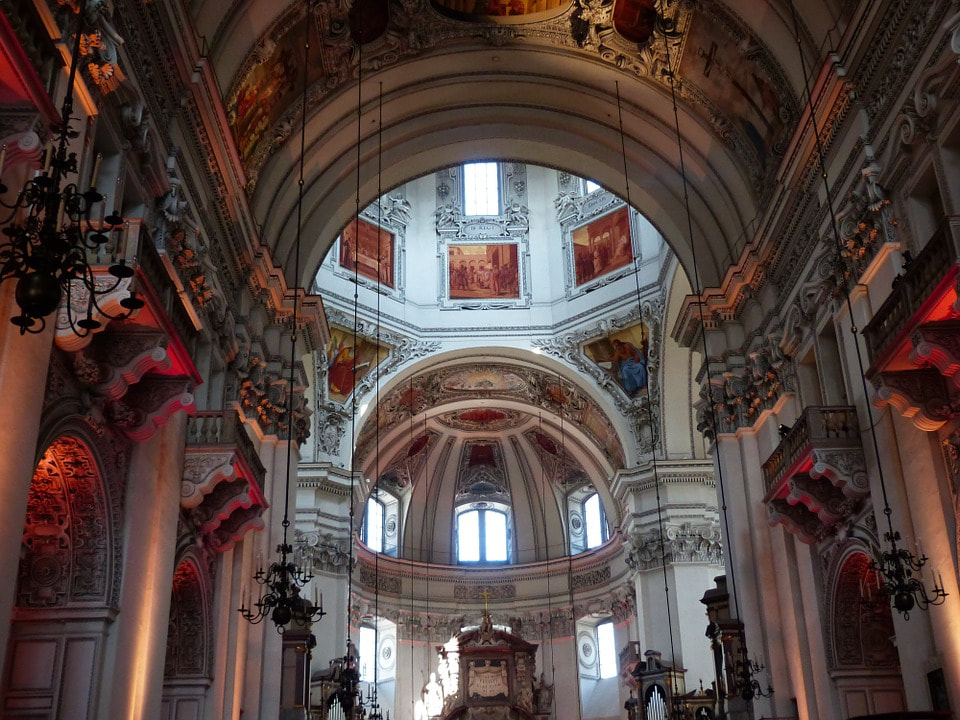
Salzburg Cathedral
This early Baroque Cathedral is Salzburg’s most prized possession. A crypt is onsite that shows the remains of the two earlier churches built in 774 and later rebuilt in 1167. 
 
Like many Salzburg locals, the Cathedral is the place of worship that baptized Mozart and Joseph Mohr, the man who wrote “Silent Night.” The baptismal font located on the left upon entry is where his actual baptism took place. Located in the center of Salzburg, the church dates back to 774, and one of the oldest buildings in the city.

Café Tomaselli
This is Austria’s oldest coffee house. Founded in 1700, this place is also popular because Mozart frequently visited the café. According to Tomaselli.it, “The French-born Johann Fontaine obtained trade law approval to sell chocolate, tea and coffee on the 31stof march in 1700. After Fontaine's death, the café with the vaulted ceiling changed hands several times. In 1753, Anton Staiger took over the establishment. After eleven years, in 1764, he succeeded in purchasing the prestigious building on today's Alter Markt, which Carl Tomaselli later bought in 1852.”

Cemetery of St. Sebastian + St. Sebastian Church
The cemetary of St. Sebastian displays remarkable tombstones of merchants and notable locals. Some of Mozart’s family members are buried here including Mozart’s father, Leopold, Wolfgang’s wife, Constanze, as well as her second husband, Georg Nikolaus.
 

Let's Connect!
​What's your favorite historical spot in Salzburg?
 

This Lemon Tree article is now featured on GPSmyCity.  To download this article for offline reading or travel directions to the attractions highlighted in this article, go to 10 Historical Attractions You Can’t Miss in Salzburg.
6 Comments

Exploring the Life of Mozart in Salzburg, Austria

1/24/2019

1 Comment

 
Picture
Wolfgang Amadeus Mozart is one of the world's most prolific musicians and composers. Birthed in the beautiful Baroque city of Salzburg, one cannot visit Salzburg without feeling or experiencing the importance of Mozart in this city. A true son of Salzburg, discover the most significant landmarks of, or dedicated to, Mozart. 
Picture
Mozart's Birthhouse
Located at Getreidegasse 9 is the birth home of Mozart. Born on January 27, 1756 in the "Hagenauer Haus," this is where Mozart's family lived for 26 years on the third floor. In 1773, the family moved the "Mozart Residence" in Marketplatz Square. His birth home became a museum in 1880 thanks to the International Mozarteum Foundation. The museum is open to the public showcasing original rooms, with the furnishings remaining as authentic as possible. Walking tours are also available.

Be to also explore the Mozart Apartment Museum, which is where the Mozart family moved to when Wolfgang was a teenager. Here visitors see four original and historic keyboards, letters and a family portrait painted after Mozart's mother passed. 

Picture
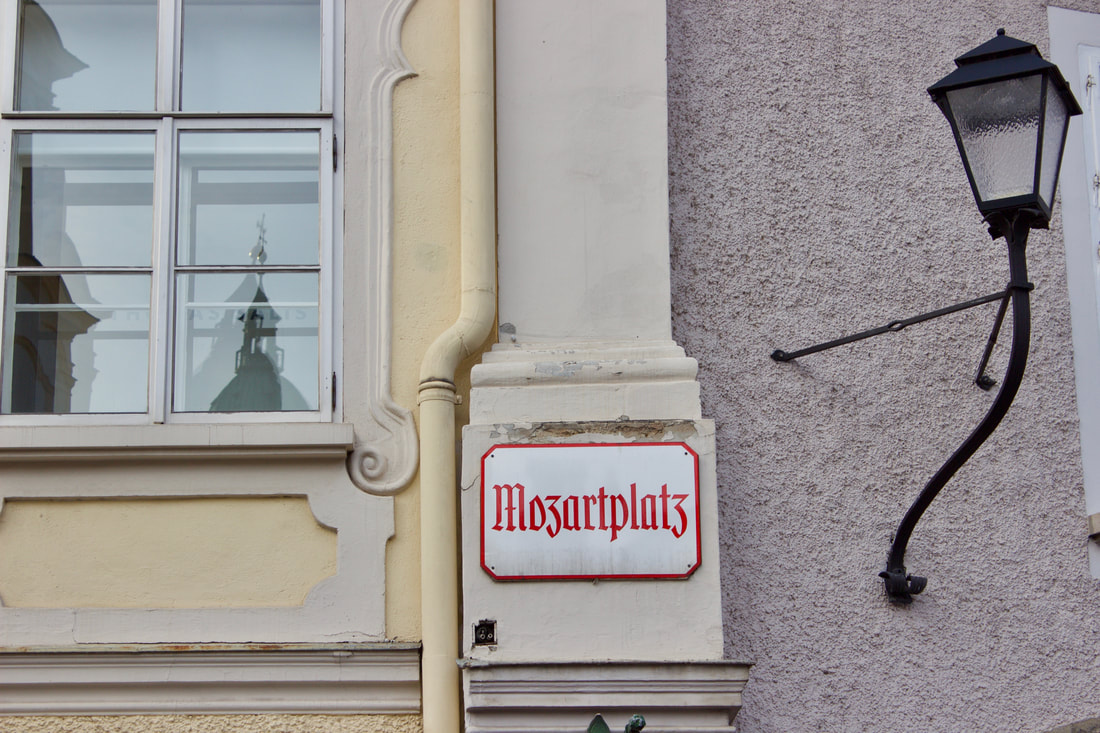
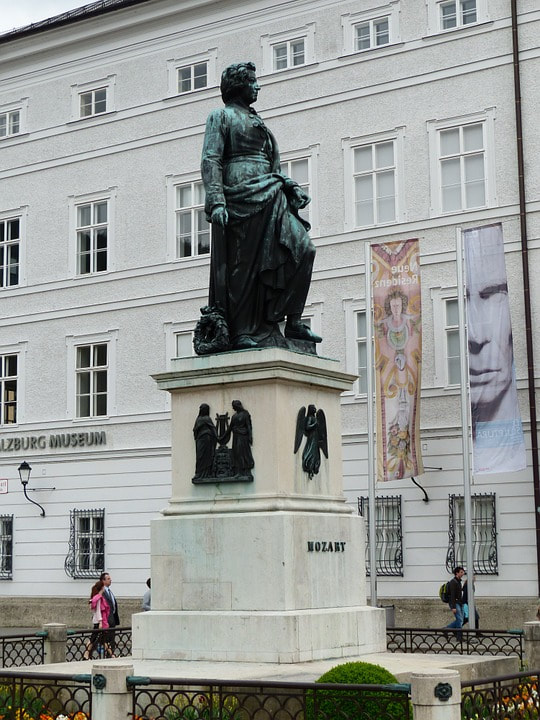
Mozartplatz + Mozart Monument
Mozartplatz Square is in the heart of historic Salzburg. The house number eight in the square is where Mozart's wife, Constanze Mozart-Nissen, once lived. Today, one notices the plaque on the facade reminding us of her birthplace. 

The focal point of the square is the bronze Mozart Monument, which was unveiled September 5, 1842.  Johann B. Stiglmayer created the statue and Bavaria's King Ludwig I, an admirer of Mozart, donated a marble plinth, which now resides in the Salzburg Museum. 
Picture

"Neither a lofty degree of intelligence nor imagination nor both together go to the making of genius. Love, love, love, that is the soul of genius."
​-Mozart

Picture
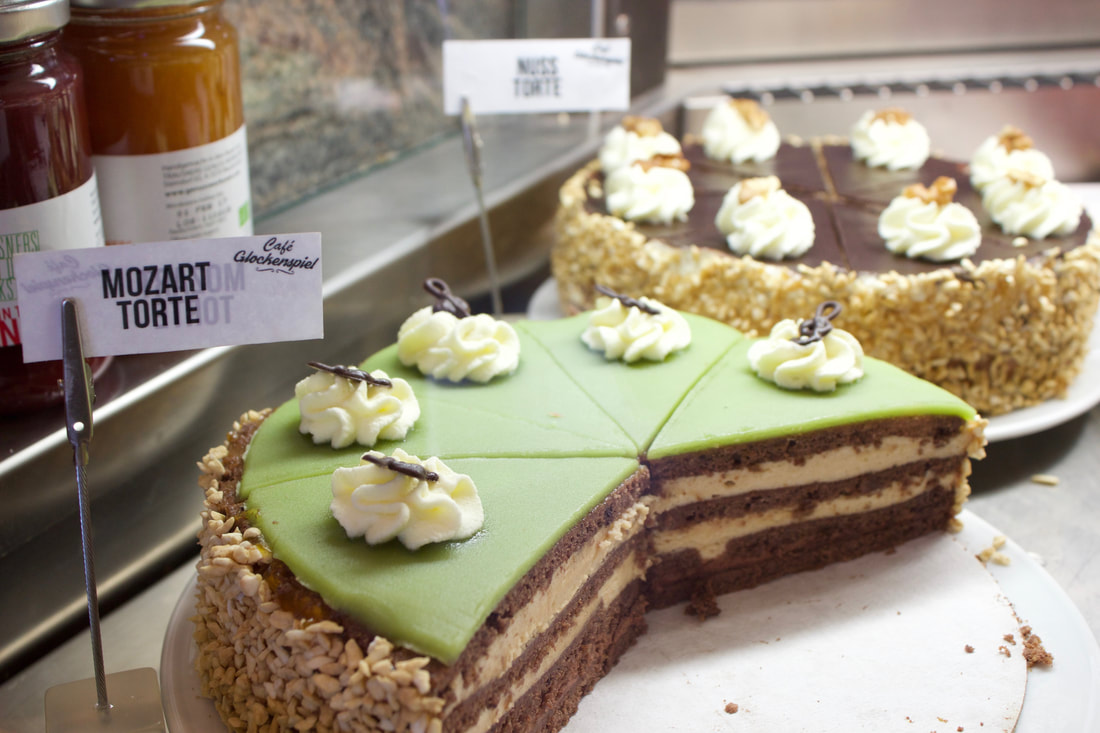
Enjoying Mozartkugeln + Mozart Torte
Mozartkugel is a small confectionary treat that is pistachio marzipan and nougat covered in dark chocolate. In 1890 a local Salzburg confectioner Paul Fürst created this treat and named it after Mozart. Discover the original tastes and flavors at 
Konditorei Fürst located at Brodgasse 13. 

Many cafes and shops throughout Salzburg sell Mozartkugeln and slices of Mozart cake. I recommend Cafe Glockenspiel or Cafe Tomaselli (Alter. Markt 9), a cafe that dates back to Mozart's time. Mozart was a frequent guest and there he drank almond milk. He noted about his cafe visitations in many of his letters. Today the Tomaselli family still operates the 150 year old cafe. 
Picture
St. Peter's Church
​This 7th Century Baroque church is one of the most beloved sites in Salzburg. This is where the first performance of Mozart C Minor Mass took place on October 26, 1783. Still to this day, the performance takes place here during the Salzburg Festival. 
Picture
Salzburg Cathedral
Like many Salzburg locals, the Cathedral is the place of worship that baptized Mozart. The baptismal font located on the left upon entry is where his actual baptism took place. Located in the center of Salzburg, the church dates back to 774, and one of the oldest buildings in the city.  

Little Magic Flute House
This small wooden summer house is where Mozart composed portions of "Magic Flute" K 620. Supposedly he procrastinated on finishing "Magic Flute" and 
impresario Emanuel Schikaneder took him here to finish the opera. In 1873, the former owner, Prince Starhemberg, donated the home to the Mozarteum Foundation. 

​
Bibliotheca Mozartiana
Located at Schwarzstrasse 26, this extensive Mozart library contains more than 35,000 books about Mozart. Established in 1841, the library contains a broad selection of European culture and music titles. The online Mozart Bibliography contains writings from all over the world about Mozart, his life and his family. 

Let's Connect! 

This Lemon Tree article is now featured on GPSmyCity.  To download this article for offline reading or travel directions to the attractions highlighted in this article, go to Exploring the Life of Mozart in Salzburg, Austria.
Follow
1 Comment

The Best Historical Sites in Riga, Latvia

1/17/2019

12 Comments

 
Picture
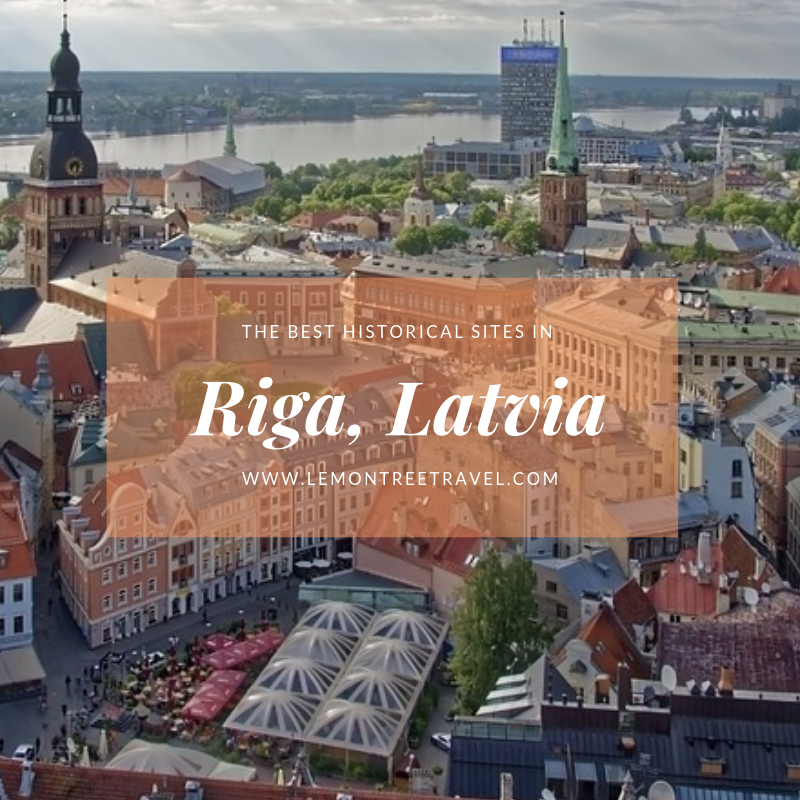
Riga, Latvia is a historic yet cosmopolitan city located in the Baltic. As the capital city of Latvia, Riga’s Old Town is must visit to discover the city’s history, culture and vibrancy. Riga’s roots date back to 1201 as a German had a quest to conquer Latvian natives and convert them into Christianity. Since then, Latvia has been conquered by Sweden, Germany, Russia and the Soviet Union. Old Town Riga is an illustration of European history, a battle between rulers, borders and lands. 
 
Since its independence in 1991, Latvia is on the rise and today, one of the most precious cities in the Baltic. Be sure to explore these historical sites to learn more about Latvia and its ascension over centuries of struggle and hardship. 
Picture
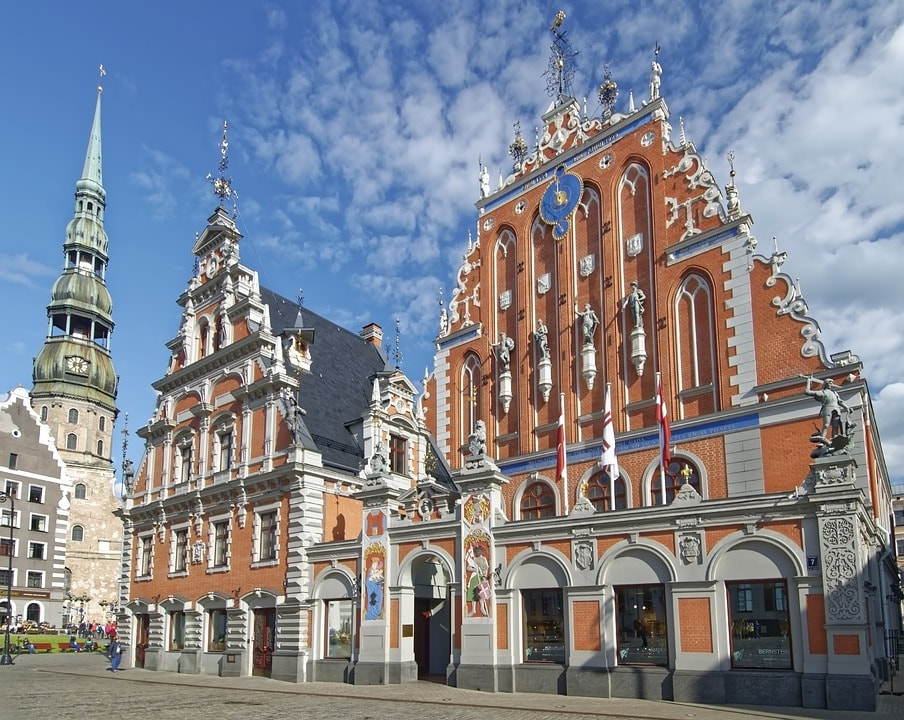
House of Blackheads 
This 14th Century building originated as a guild for merchants and craftsmen who were joined by a brotherhood of banquet caterers called the Blackheads. Many Blackheads were German and banded together to protect their trading rights from robbers and pirates. Later, the brotherhood partnered with the patrician elite and rose into great power. Destroyed from a bomb raid in World War II, the House of Blackheads was rebuilt in 1999. Today, this former guild homes the President of Latvia. 

Picture
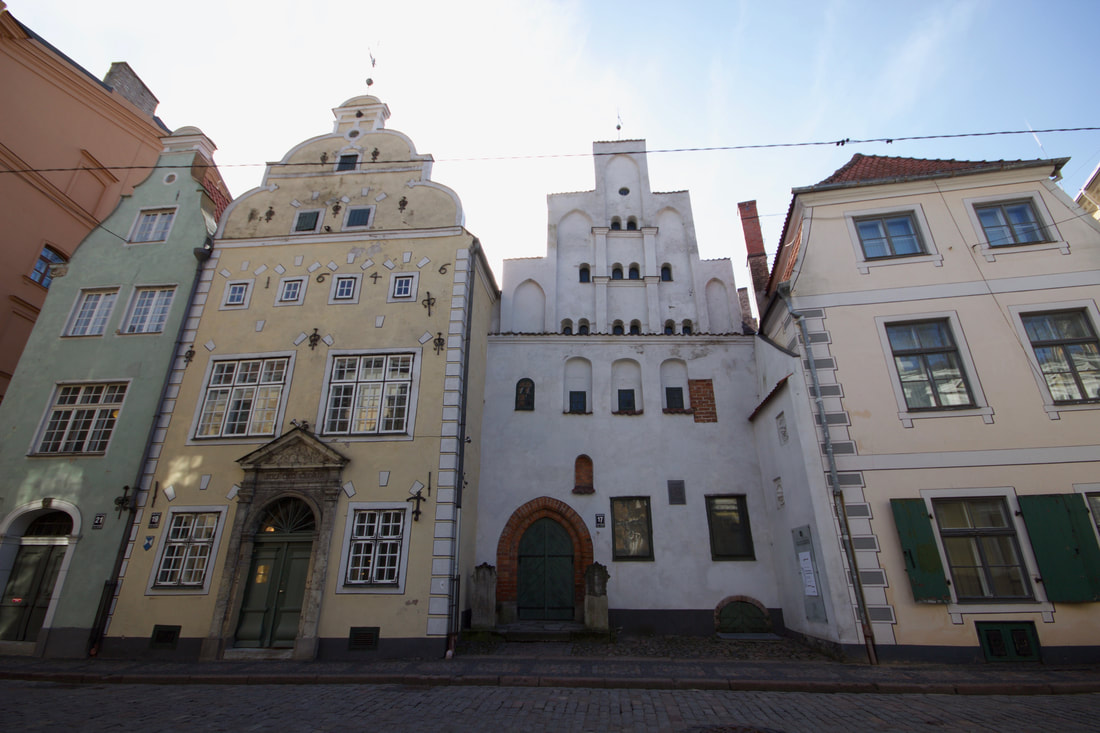
The Three Brothers
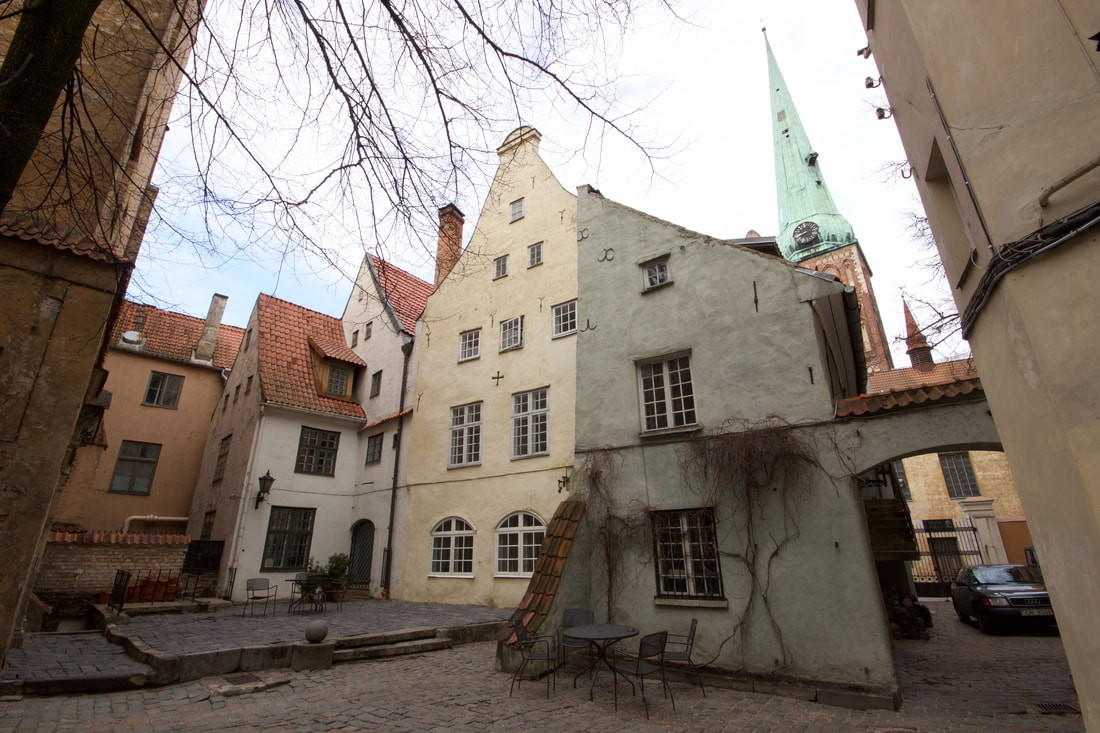
The Three Brothers is a building complex that contains three buildings clustered together, which makes it appear almost as one structure. Legend has it that the buildings were constructed by three from one family. The oldest brother built in 1490 and was the place of manufacturing and trade. The structure is inspired by Dutch Renaissance.  The middle brother built in 1646 features a Dutch Mannerism style and contains the inscription, "Soli deo gloria!" (“Glory to God alone!”) Built in the late 17th Century, the third brother is the most narrow and smallest of the three buildings and contains the Latvian Museum of Architecture, a worth-while visit for intellectual pursuits and to discover the back courtyard.  These are the oldest medieval buildings in Riga, and where craftsmen once lived.
 
Picture
Museum of Occupation
If you love World War II and Soviet history, visit the Museum of Occupation. Insides, visitors discover what Latvians have undergone between 1940-1991 under totalitarian regimes. From short films to real life relics, guests learn how many Latvians survived World War II by living in a forest and “taking down” the USSR with the largest protest, which included two million citizens linking hands across the Baltic. The chain linked the three Baltic capitals, Tallinn, Riga and Vilnius.
 
Picture
Picture
Picture
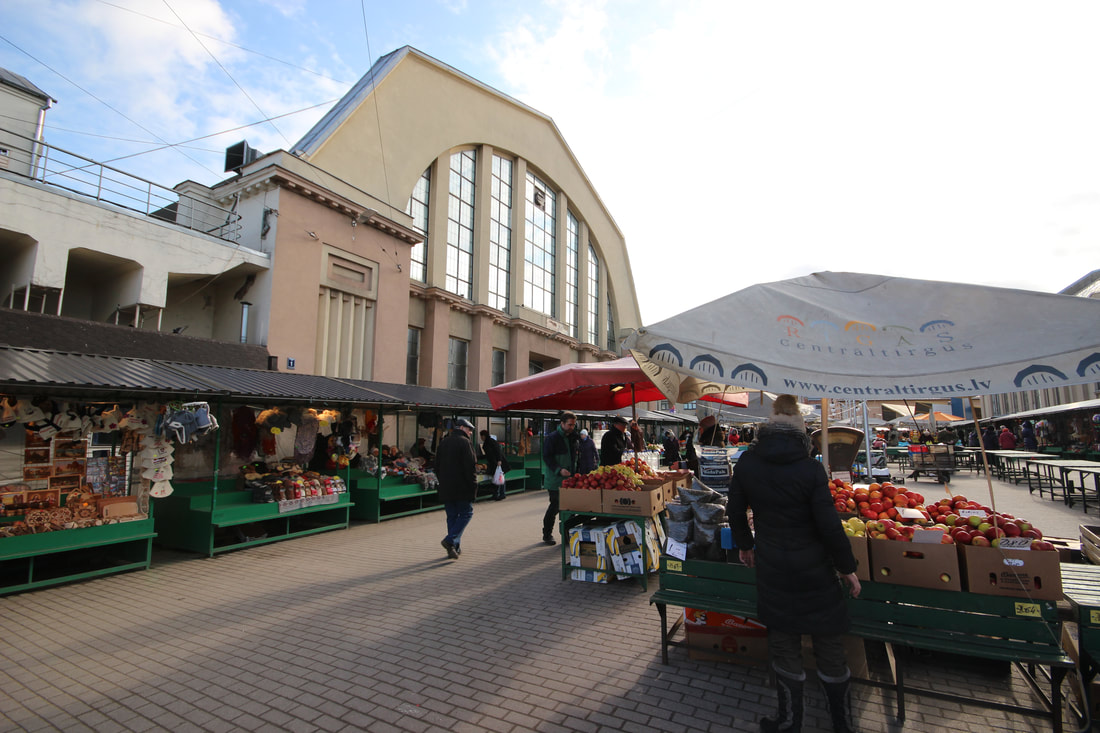
Central Market
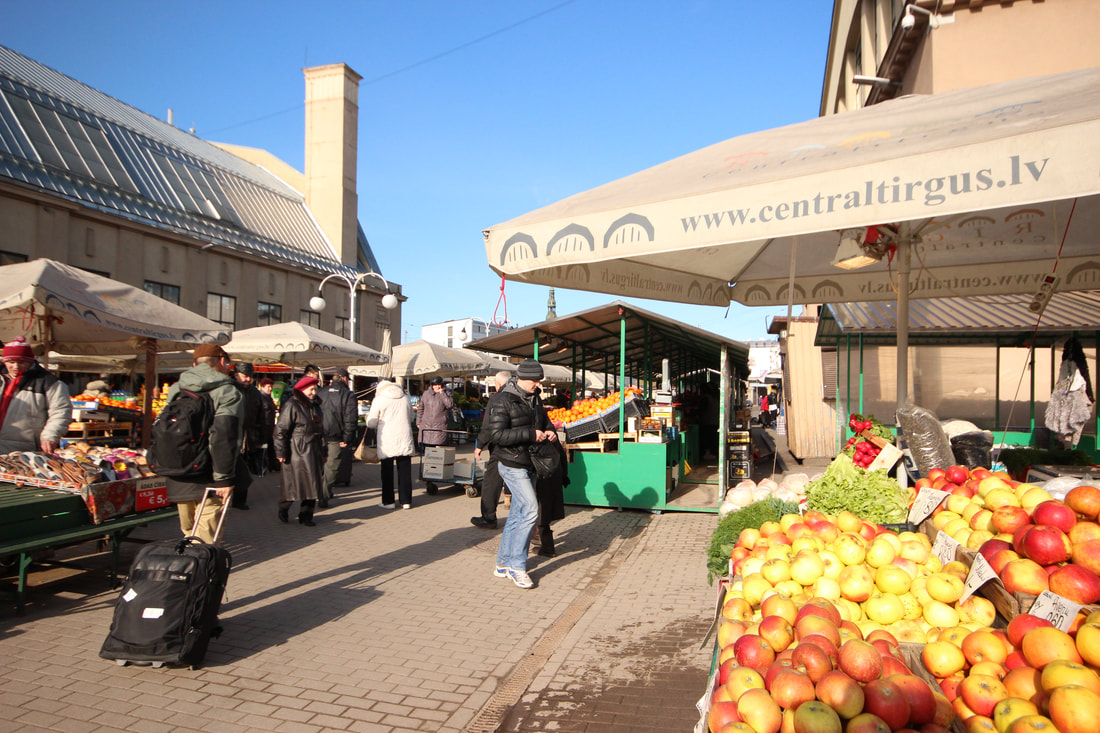
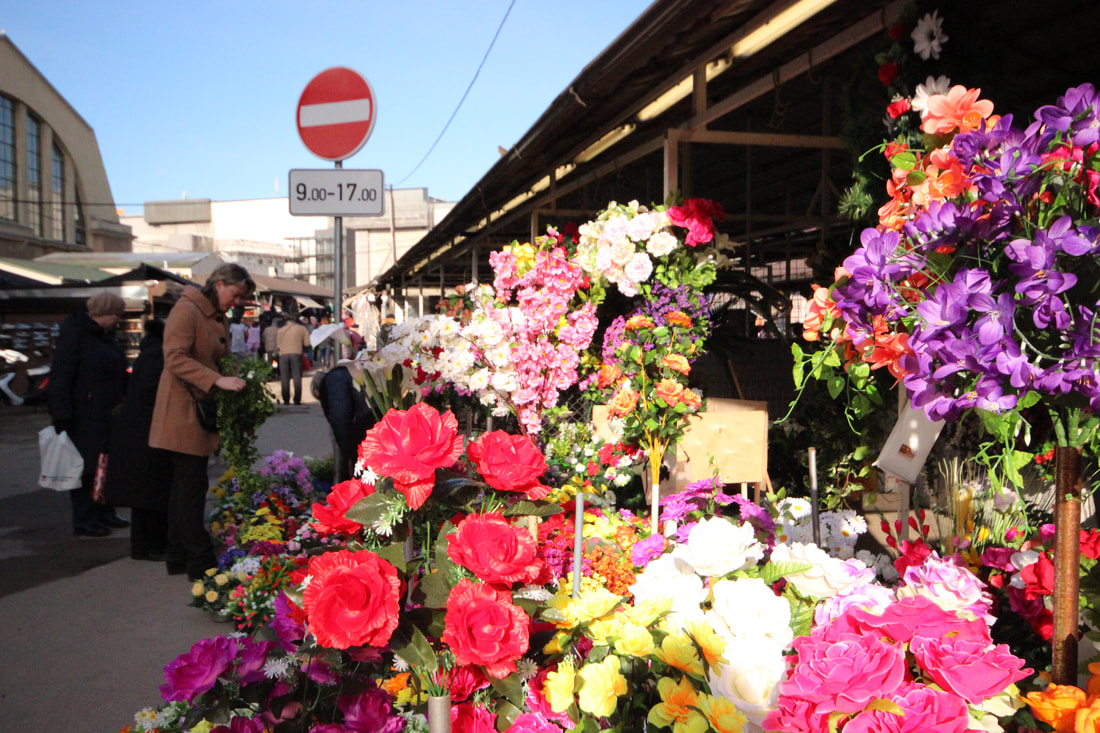
Built in 1920, this is one of the largest markets in Eastern Europe. Every day 80,000-100,000 visitors come to shop for meat, cheese, produce, desserts, household items or clothes. The market contains a mix of indoor and outdoor stalls. The large indoor hangers are actually made from 1920 zeppelins. For a traditional westerner, the market is cheap, but the prices are expensive or fair for the local’s income.
 
Picture
The Freedom Monument
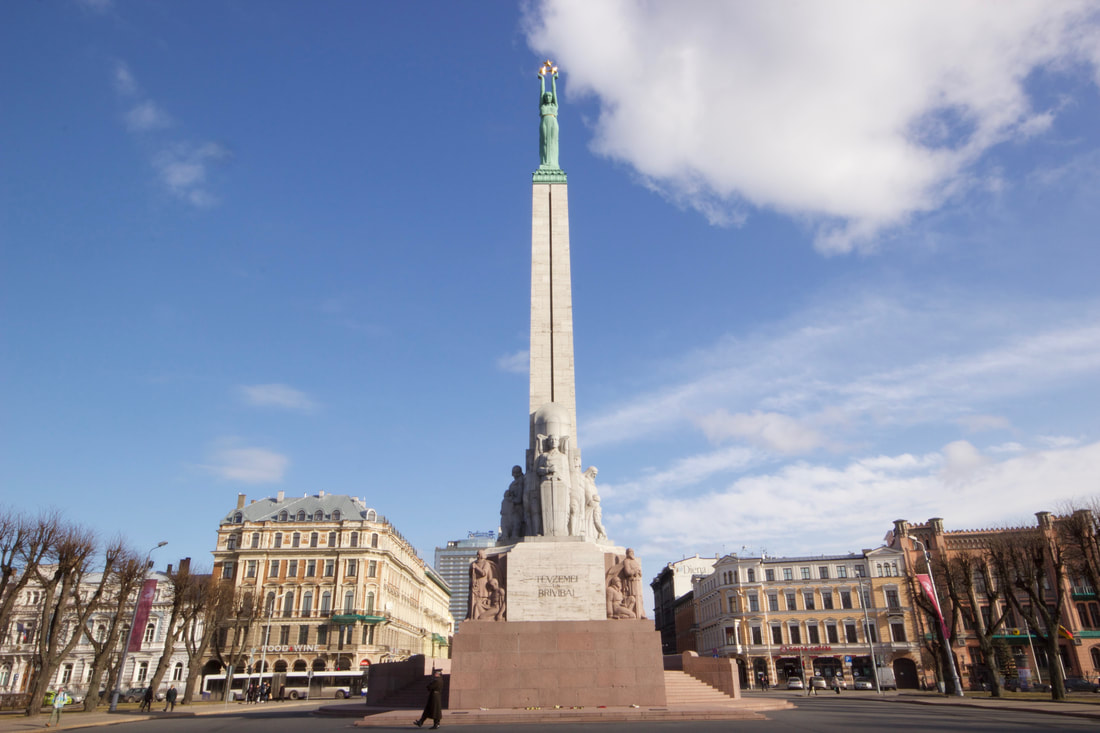
This statue towers over Old Town Riga in remembrance of the soldiers who died in the 1918-1920 Latvian War of Independence where Latvians overthrew the Russians. When Russia annexed Latvia in 1940, they nearly destroyed this monument, but saved by Soviets who believed in the importance of this landmark. 

Picture
The Cat House
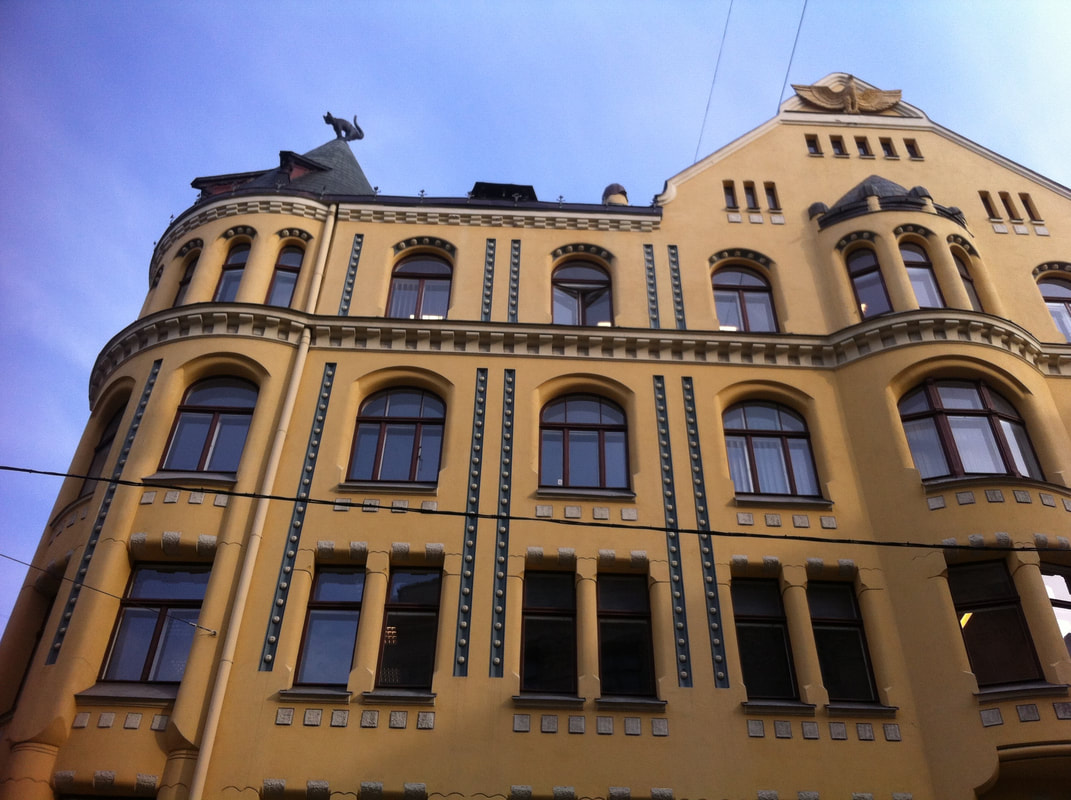
This unofficial symbol of Riga is a popular place for tourists to snap many pictures. The 1909 home contains two medieval turrets, both topped with black cats. The story is fuzzy, but these cats are symbols of a protest, or disgust, of one local man’s rejection to being accepted into the 14thCentury guild. Being part of the guild is a great honor whereas the guild rejecting someone is a massive insult. The man topped these towers with two hunched back black cats that glared at the guild. The upset guildsmen fought with the local for months. Eventually, the local turned the cat’s to glare elsewhere, but never took them down. 

Picture
Picture
St. Peter's Church
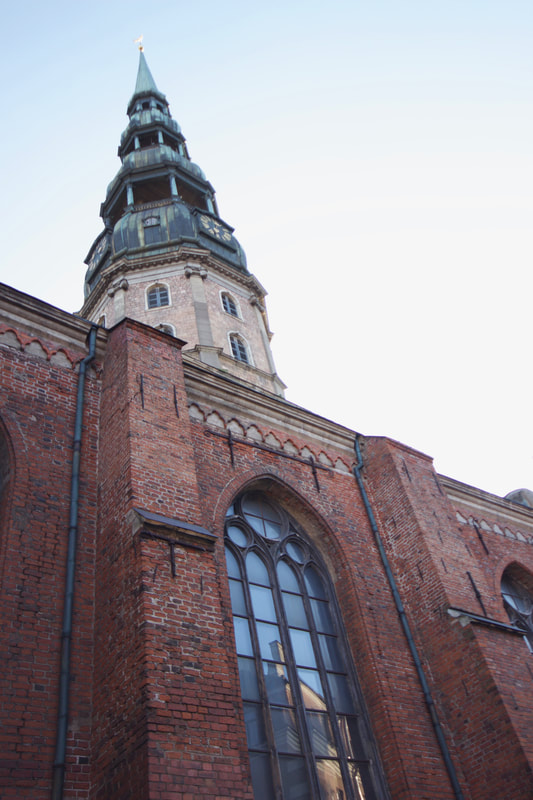
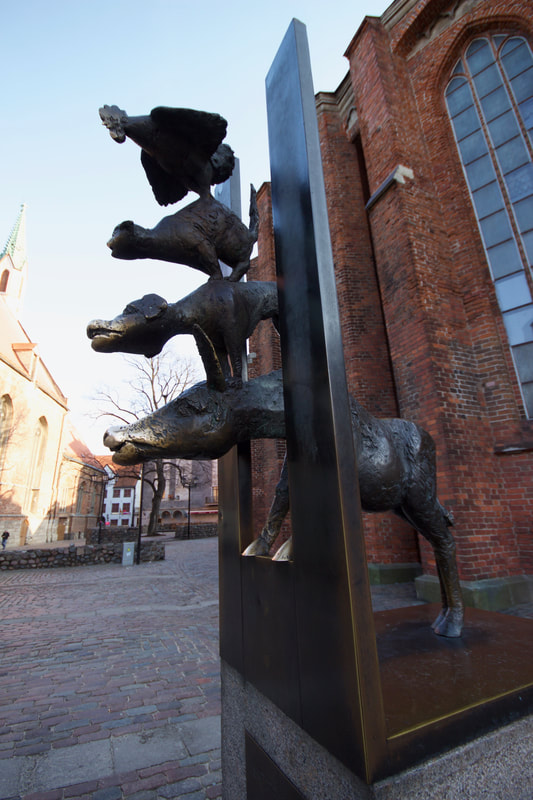
This 13th Century Gothic - Baroque church is not only a place of history and worship, but provides the best views in town. The 130 meter tower contains an observation deck at 72 meters overlooking old and new Riga. Five times per day a Latvian folk song plays from the tower. Outside the church one notices a statue of a donkey, a dog, a cat and a rooster standing on one another. This is the same statue one sees in Bremen, Germany and is inspired by the Grimm's brothers and to the Town of Musicians of Bremen to its Germanic roots.  

Picture
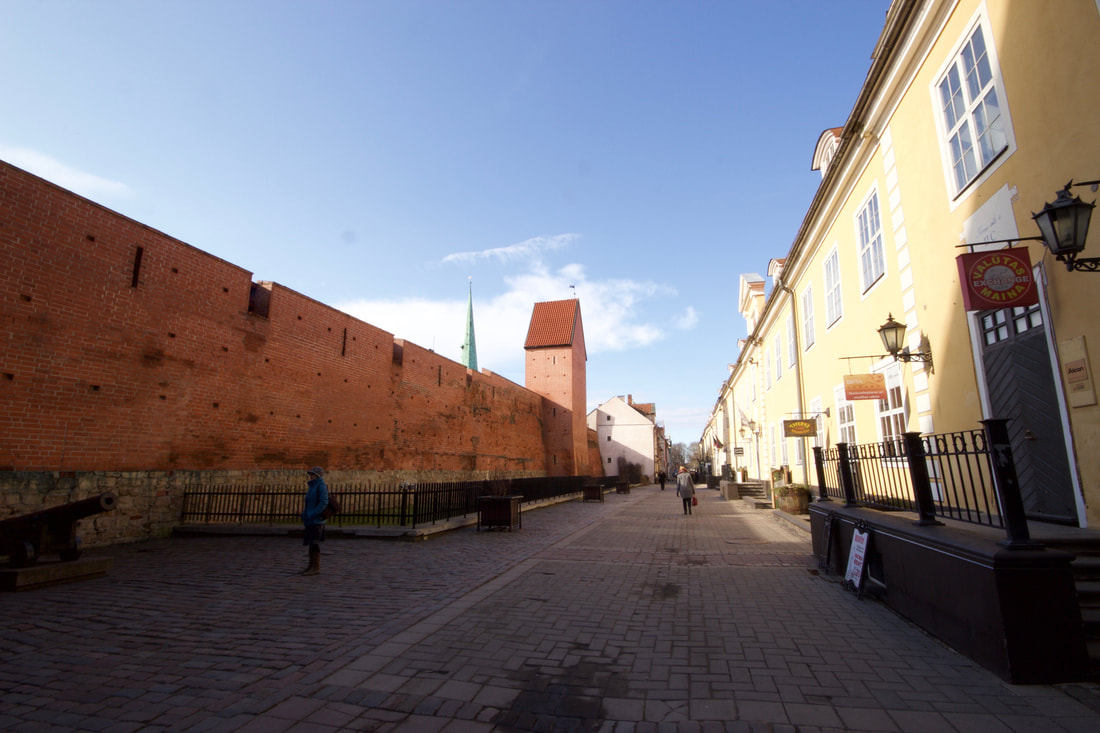
Swedish Gate + Old City Wall
Only a small portion of Riga's original city wall exists. The Swedish Gate was built in 1698 when Sweden took over the city. An interesting fact is that the apartment above Swedish Gate is where the city executioner once lived. The night before a beheading, he would place a red rose in his window. 

Picture
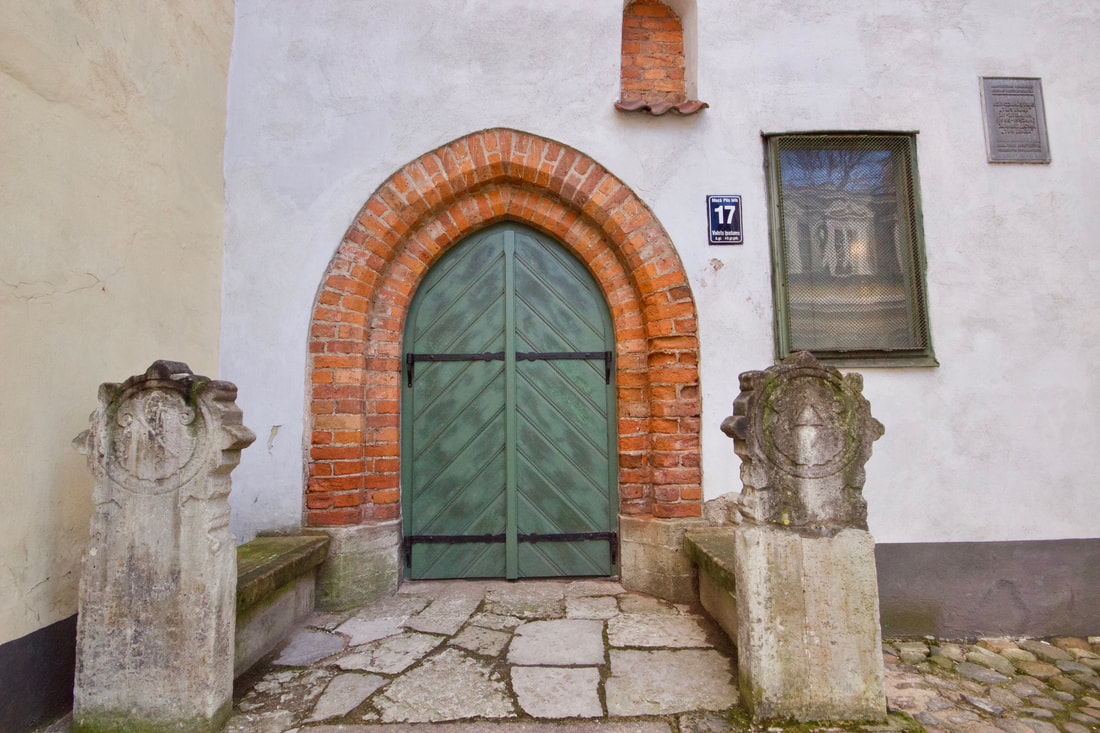
Old Town Architecture
Meandering around Old Town, visitors will notice intricate details in the facades of many buildings. Keep an eye out for dates and plaques that provide historical tidbits about each building. 

What is your favorite landmark in Riga? Let us know! 


This Lemon Tree article is now featured on GPSmyCity.  To download this article for offline reading or travel directions to the attractions highlighted in this article, go to The Best Historical Sites in Riga, Latvia.
12 Comments

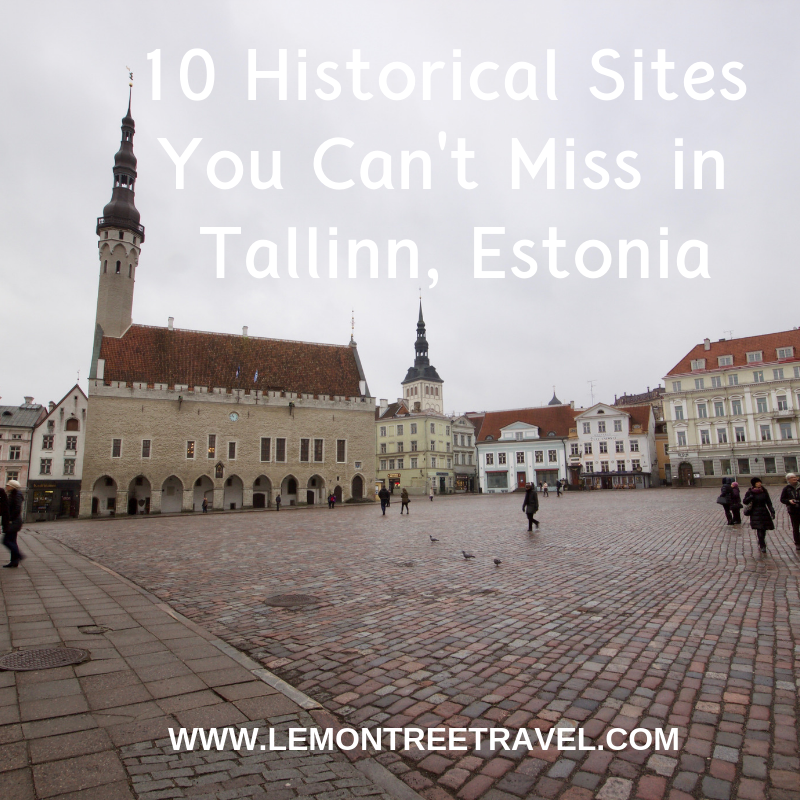
10 Historical Sites You Can't Miss in Tallinn, Estonia

1/9/2019

2 Comments

 
Picture
Tallinn, Estonia is a charming medieval town that dates back to 1248. Historic indeed, walking through old town is like a time warp, a trip down medieval memory lane leaving travelers wondering what life was like 500 years ago. It is one of the best-preserved old towns in Europe, and is a UNESCO World Heritage Site. Steeped with history, these are some of the most important landmarks and sites that you do not want to miss while in Tallinn. 
Picture
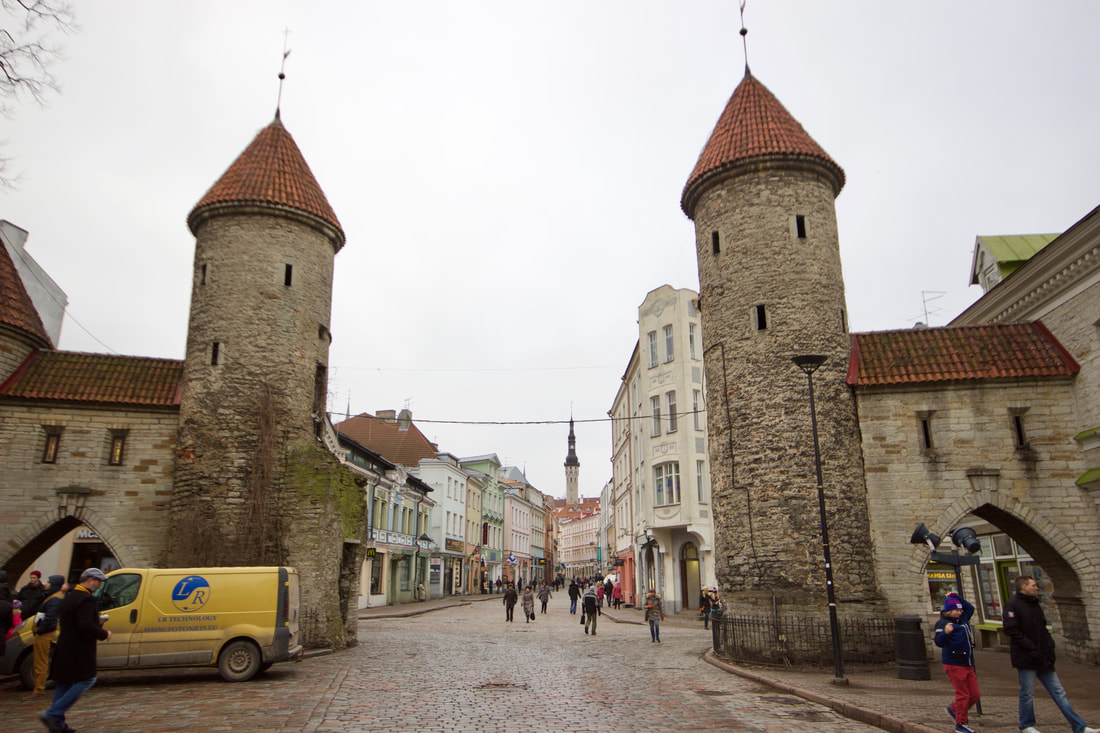
Town Wall
Border walls were an important piece of protective architecture in any medieval city. Tallinn’s wall is well preserved and is 1.15 miles (1.85km) in length and contains 20 watch towers and multiple entry gates. Guests can walk in a section of the wall, approximately 656 feet. Here you’ll gain perspective of what it was like to “watch out” for survival back in the day. But, once upon a time in the 16thCentury, the wall was 2.4 km in length with 46 watch towers. ​
Picture
The historic Town Hall Square has served as a marketplace since the 11thCentury. Today locals and travelers enjoy plenty of street side cafés overlooking the square and some of the oldest architecture in town. The historic pharmacy is worth a visit!

Raeapteek - Town Hall Pharmacy
Believe it or not, this is one of the longest standing pharmacies still operating today in Europe. Founded in the 15thCentury, a pharmacy has continuously operated out of this exact building. An onsite museum displays historic medical tools and relics from the medieval and Renaissance eras. It is recommended to purchase claret, a German-spiced wine as a souvenir. There are not many businesses in the world that have been in operation since 1422. Holistic health is part of the Baltic culture so get ready to explore a variety of teas, tinctures and tasty treat workshops
. 
Picture
Olevsite Church
Towering 407 feet in the heart of Old Town square, Oleviste Church is the tallest medieval structure in town. The beautiful interior seems modest compared to the decadent Catholic churches. Built in the 12thCentury, this church best represents its Scandinavian population. Inside, guests find sweeping views of the city and the Gulf of Finland in the tower’s observation deck. 

Picture
Katariina Käik - St Catherine's Passage
This is one of the most historic and beautiful passageways in town that connects Vene and Müürivahe Streets. The southern end features warehouses, merchants and artisans selling their crafts where the Northern end contains the remains of St. Catherine’s Dominican Monastery as well as some ancient tombstones. It is a walk back into medieval time.  

Picture
Great Guild Hall
Built between 1407-1410, the Great Guild Hall was once a guild for merchants and artisans until 1920. Today, it is home to the Estonian History Museum. This Gothic building is in the heart of Old Town and considered one of the most marvelous pieces of medieval architecture in the city.   

Kalma Spa
Estonia and the Baltic region is known for its spa culture. They believe in herbal and esoteric healing, which much of their knowledge originates from Russian roots. Built in 1928, Kalma is one of the oldest spas in Estonia. Modest indoors, this traditional bathing house separates men and women. Inside, you’ll notice nude bathers beating each other with birch branches known as vihta or vasta. The men’s corridors feature plenty of Russian bears, drinking vodka, beating backs with branches and well, eating fish heads. The spa is a short distance to Old Town. 

Picture
Toompea Hill
Toompea Hill hand long been the “mecca” for Tallinn’s power. Here travelers discover a myriad of churches, a medieval castle fortification and Estonia’s Parliament. Meander onward and upward on a cobblestone path to discover several viewpoints that feature some of the best views of the city. Be sure to visit St. Olav’s, a 407-foot-tall church! One interesting fact is that this church has been struck by lightning 10 times, three of which caught it on fire in 1625, 1820 and 1931. 

Picture

Toompea Castle
Toompea Castle is home to Estonian’s parliament. In 1227-1229, the German Knights of the Sword first built a stone fortress here, and since then every ruler has used this castle as their base. Estonia’s history is unique as it has roots from Russia, Scandinavia and Finland. The castle is the military and administrative center for regional rulers from Estonia and historically once used by the Danes, Swedes and Russians. 


This Lemon Tree article is now featured on GPSmyCity.  To download this article for offline reading or travel directions to the attractions highlighted in this article, go to 10 Historical Sites You Can't Miss in Tallinn, Estonia.

Where is your favorite historical site in Tallinn? Check out our other Lemon Tree Travel blogs about Tallinn! 
The Best Historic Cafes You Can't Miss in Tallinn, Estonia
​
Tallinn, Estonia: A Walk Down Medieval Memory Lane
​
Vegan in Tallinn, Estonia: Bliss Buffet & Restaurant
2 Comments

Exploring Charles Dickens' London

1/1/2019

28 Comments

 
Picture
For those who know me, know I love Charles Dickens. Why? It's because we share the same birthdate, February 7th. The more I got to know Dickens and his writing the more I realized that he and I have the same type of mentality, not only in the world of imaginative writing, but he also advocated for the poor. He analyzed the wealthy and the peasant cultures throughout London to inspire his writing and some of his greatest pieces of work.

Though he traveled throughout England for his stories, London is the hub for many of Dickens' inspirations. Here are some of the best places to explore Dickens' London. 

Picture
Charles Dickens Museum
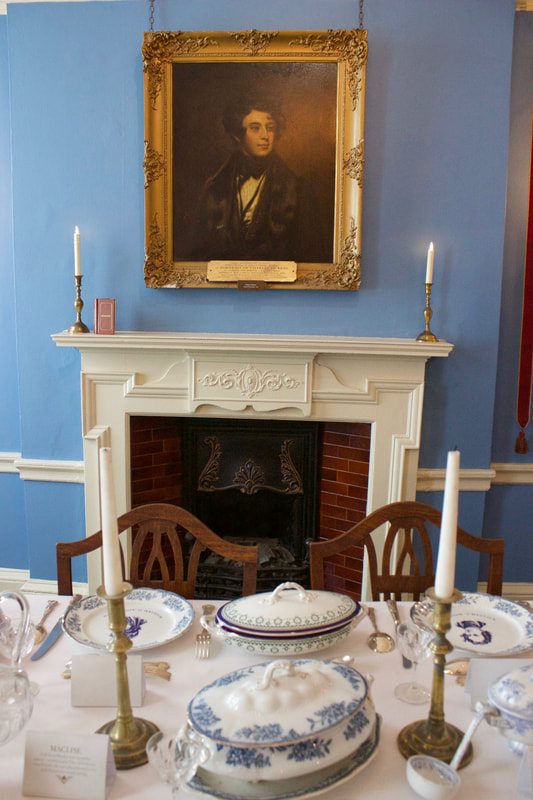
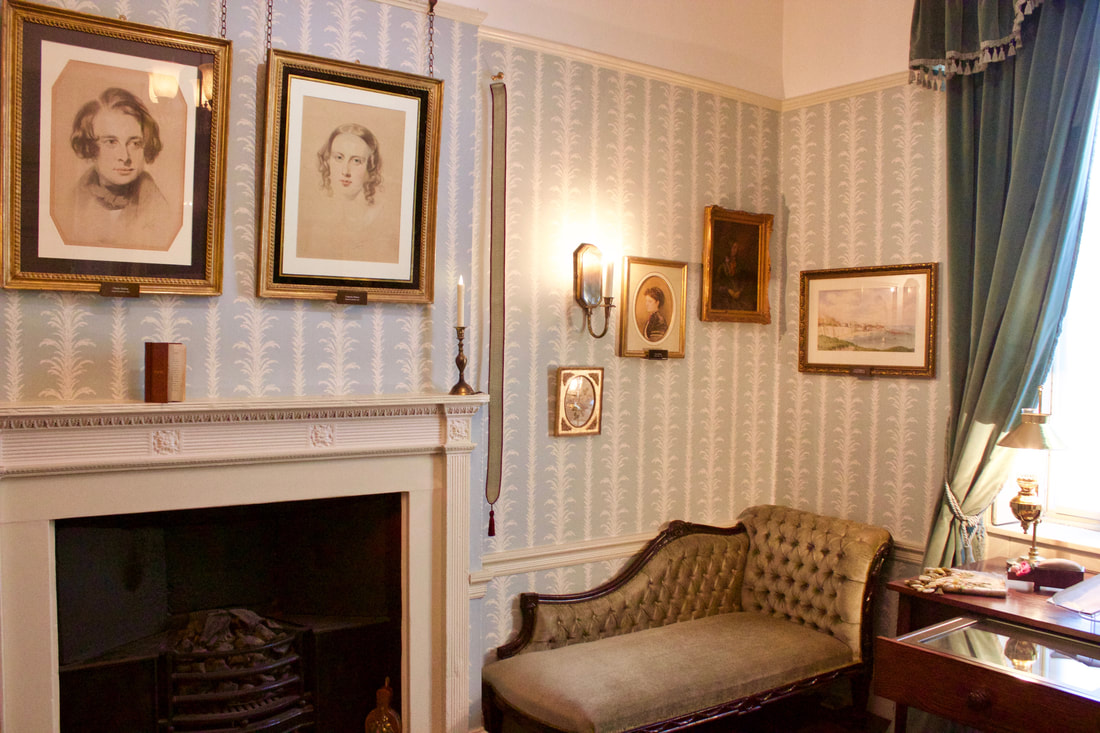
Welcome to 48 Doughty Street, the London home of Charles Dickens. This is the setting where Dickens wrote Oliver Twist, The Pickwick Papers and Nicholas Nickleby, and earned international fame as one of the world's best writers. Inside guests discover the private life of Charles Dickens' family home, exploring various rooms such as the dining hall and servants quarters as well as artifacts like Dickens' writing desk, hand-written letters and autograph copies of his books. 
Picture
Picture
Picture
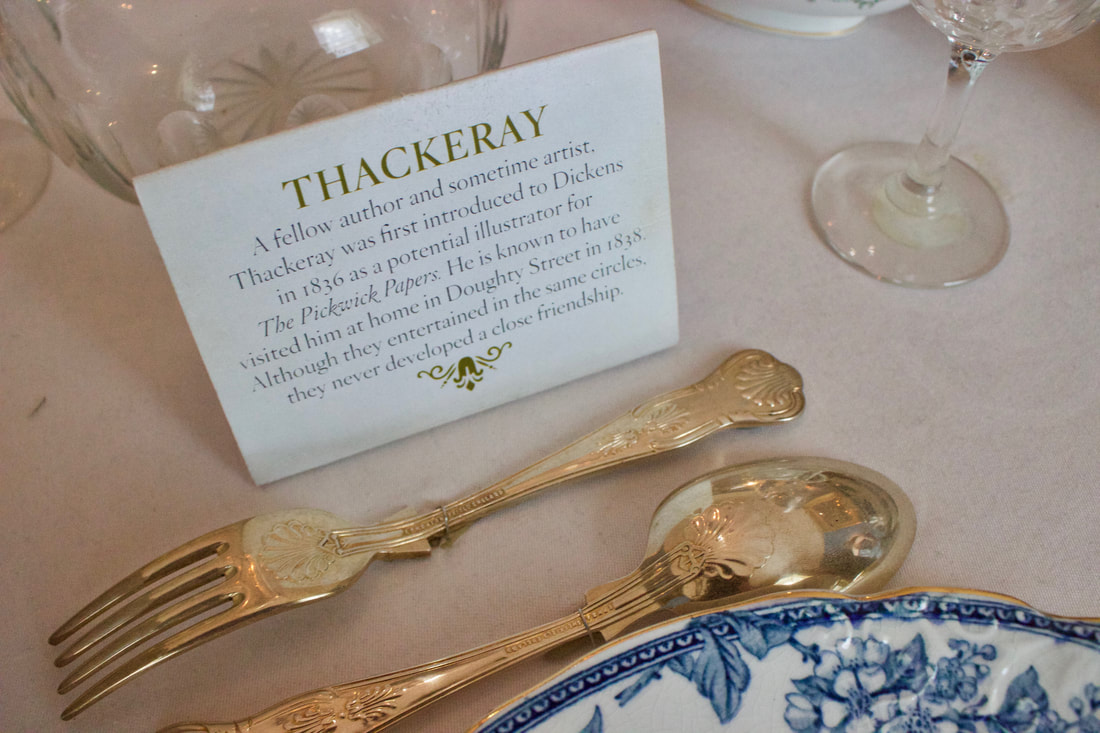
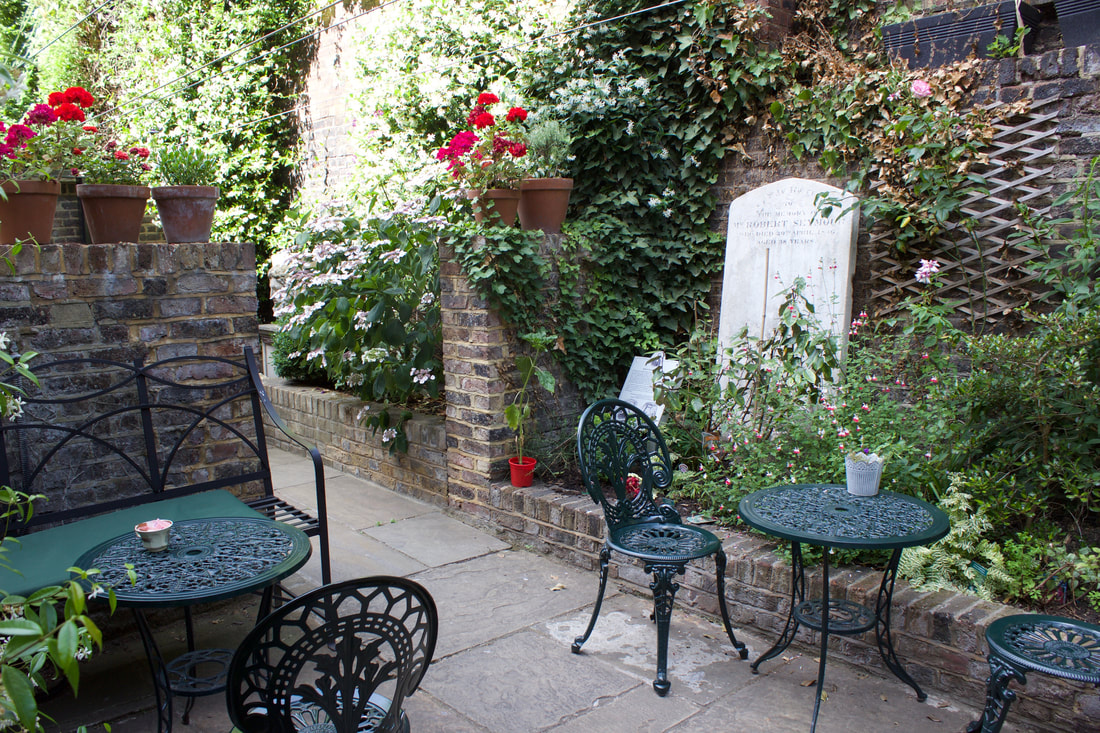
Dickens and his wife, Catherine moved into the home just before Queen Victoria took reign in 1837. Three of their 10 children grew up in this home, and Charles and Catherine hosted many dinner parties with some of the period's most prominent figures. Each room boasts the beauty of Victorian living. Out back guests enjoy coffee and cake in the Victorian courtyard. The
​museum is an international research center on Dickens and contains over 100,000 artifacts. Special exhibits and workshops occur year round. 
Picture
Charles was a fascinating creature. He walked London in search for inspiration and to obtain qualitative analysis through observing the lifestyles between the rich and the poor. He often walked 10-20 miles at a time to gain a true sense of the sights, sounds and aura of Victorian London.  
Picture
Fleet Street
While strolling along Fleet Street, stop at Ye Olde Chesire Cheese. Although not a cheese shop in Dickens' era, this building has been a pub since 1538. Dickens frequented this pub to observe the locals, which inspired his writing for A Tale of Two Cities. What makes this pub unique is that other novelists and writers such as Oliver Goldsmith, Mark Twain, Alfred Tennyson, Sir Arthur Conan Doyle, G.K. Chesterton, P. G. Wodehouse and Samuel Johnson were regulars. Some claim the vaulted ceiling pillars date to a 13th Century Carmelite Monastery. 

Lincoln's Inn Fields
The settings and legal actions that occur in the Bleak House occur in and around Lincoln's Inn Fields, which is where the lawyer Tulkinghorn lived. "Here, in a large house, formerly a house of state, lives Mr Tulkinghorn. It is let off in sets of chambers now, and in these shrunken fragments of its greatness lawyers lie in maggots in nuts."

Picture
Covent Gardens
Located at 26 Wellington Street is the Charles Dickens Coffee shop. Here is where Charles lived and operated his newspaper, All The Year Round, on the upper levels of this corner building. The blacking factory is where Dickens worked at the age of 12. This neighborhood inspired Dickens for many of his novels like Little Dorrit, where Arthur Clennam lives in a dingy flat like Dickens once did. Dickens notes Covent Gardens in Great Expectations, The Pickwick Papers and David Copperfield. But Covent Gardens didn't always look this way. It was once a market described by Charles as, "“strewed with decayed cabbage-leaves, broken haybands. . . men are shouting, carts backing, horses neighing, boys fighting, basket-women talking, piemen expatiating on the excellence of their pastry, and donkeys braying."

The Seven Dials
In Dickens' era, The Seven Dials was a cesspool of poverty and crime. Today, its chockfull of museums, pubs and an excellent neighborhood to people watch. Dickens describes the neighborhood best in Sketches by Boz, where fictional character Boz, roams London in observation of its neighborhoods, people and customs.  

While there is so much to see in Dickens' London, be sure to add Gray's Inn and Middle Temple on the list. A self-guided tour is possible, but if you want intimate details on Dickens' life, book a Dickens walking tour. There are many short and long tours available to suit your desires and needs. 

Whats' your favorite Dickens' site in London? 


This Lemon Tree article is now featured on GPSmyCity.  To download this article for offline reading or travel directions to the attractions highlighted in this article, go to Exploring Charles Dickens London. 

Let's Connect! 
28 Comments

7 Museums You Must Visit in Porto, Portugal

12/28/2018

4 Comments

 
Picture
Porto is a city chock-full of history and astounding architecture that is worth exploring. From its roots of navigation to the creation of Port wine, Porto features a variety of museums to suit all interests. Whether you want to explore art, history or boats, there is a museum for every traveler. 

Soares dos Reis Museum
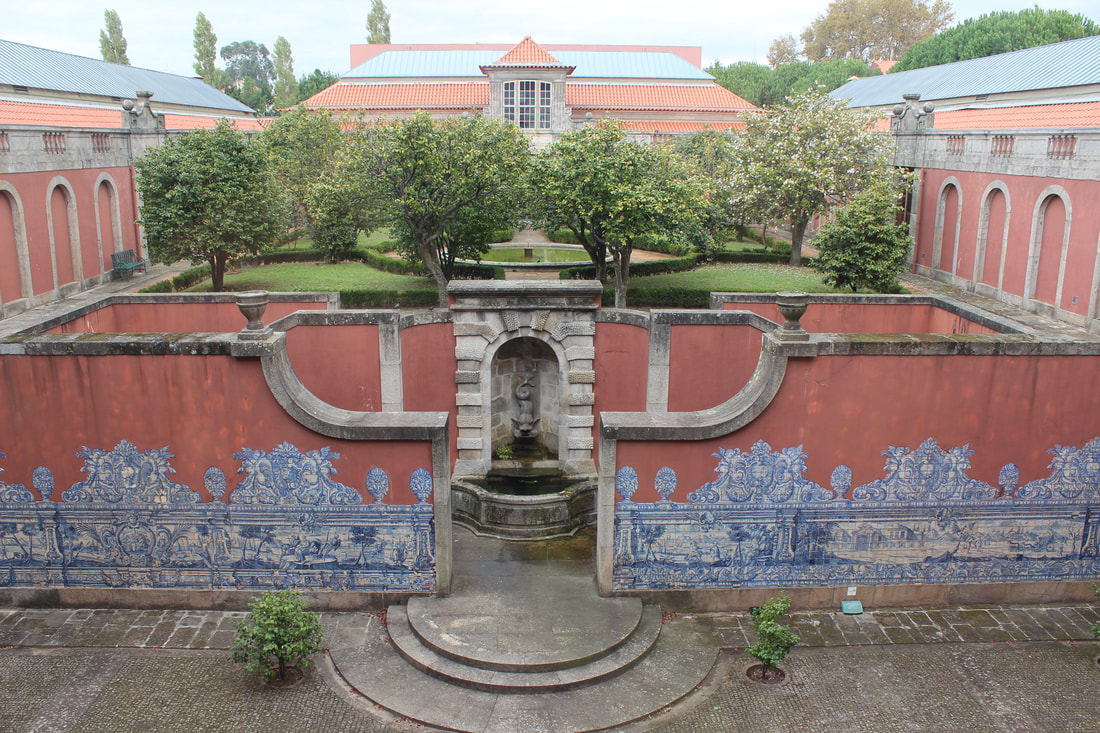
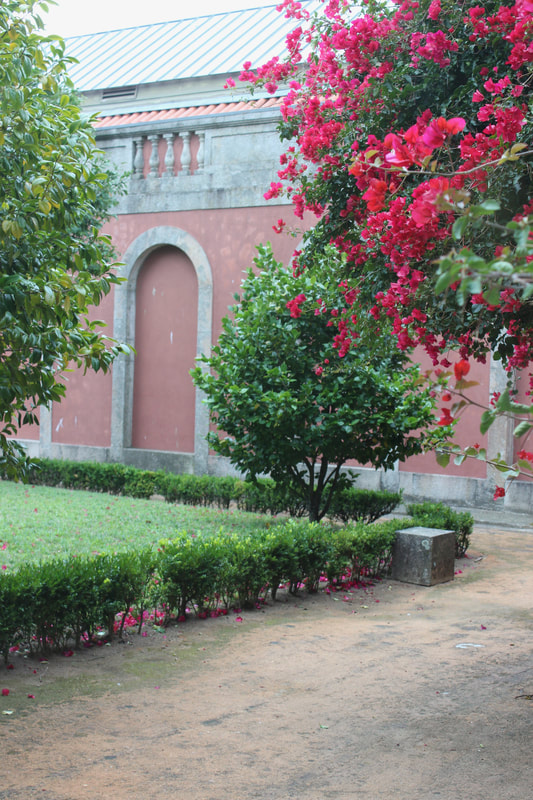
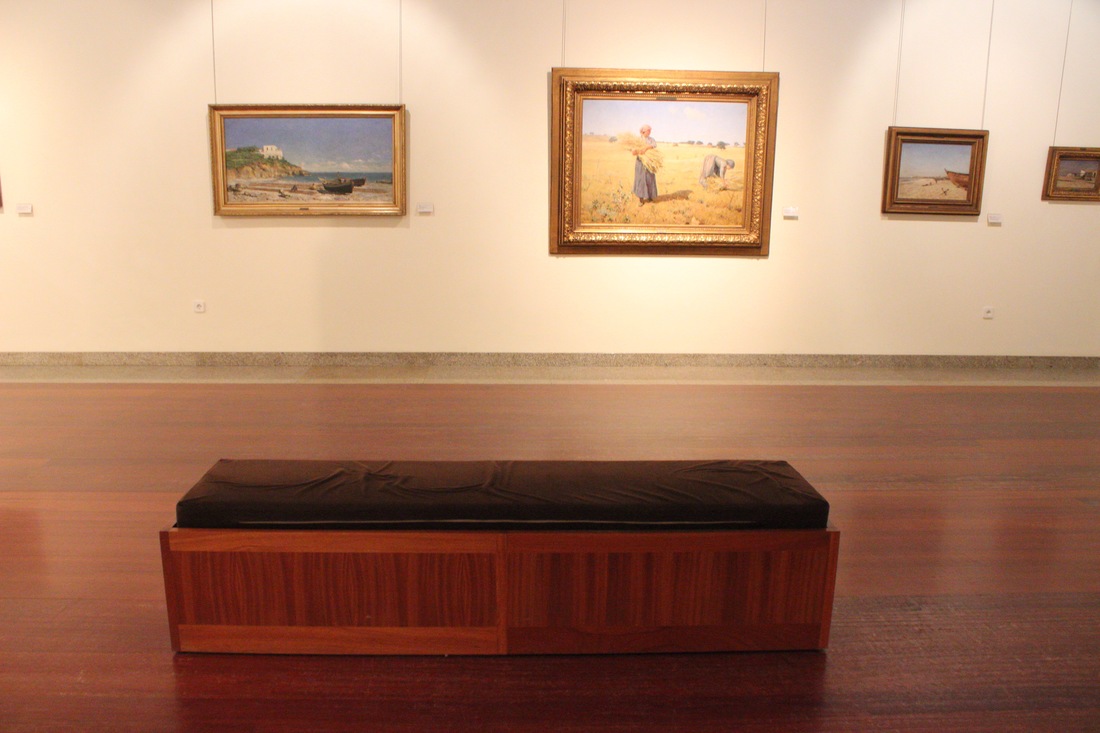
Founded in 1833, this museum is Portugal's first public museum. The museum features 19th and 20th Century art pieces ranging from paintings to sculptures to ceramics. The building itself, the Carrancas Palace, a work of art where courtyards lined with blue and white ceramic tiles contain perfectly manicured lawns and delicate flowering trees. 
 The oldest art pieces date back to the 16th Century. 
Picture
Picture
Picture
Casa do Infante
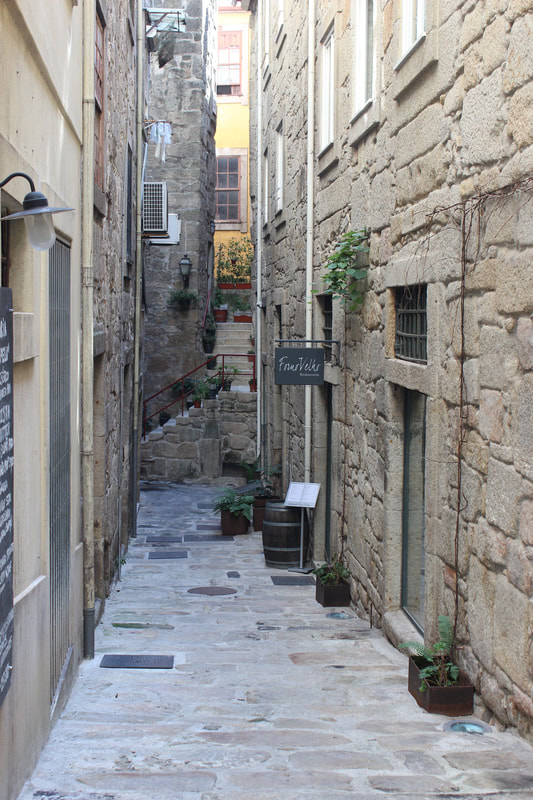
Casa do Infante, the Prince's House, is named after Prince Henry the Navigator, the leader of great expeditions of discovery in West Africa who was born in the house in 1394. The house dates back to 1325 and is one of Porto's most important landmark, especially during the Age of Discovery. Once a royal building, Casa do Infante is now a museum dedicated to the history of the Portuguese navigation and ​Porto's role during the discoveries along with Roman occupation during the 4th and 5th Centuries. The casa is nestled down an old alleyway nearby the Douro River. 
Picture
The National Press Museum
The Museu Nacional da Imprensa is a place to discover Porto's press history alongside with hands on exhibits. The museum features dozens of press machines where guests themselves use manual techniques from pre-printing, printing and finishing. The exhibition gallery displays cultural, social or educational interests. Guided tours are available and guests also get to experience two rooms dedicated to the first Portuguese printer, Rodrigo Alvares, who printed two books in 1497.
Picture
Palácio da Bolsa
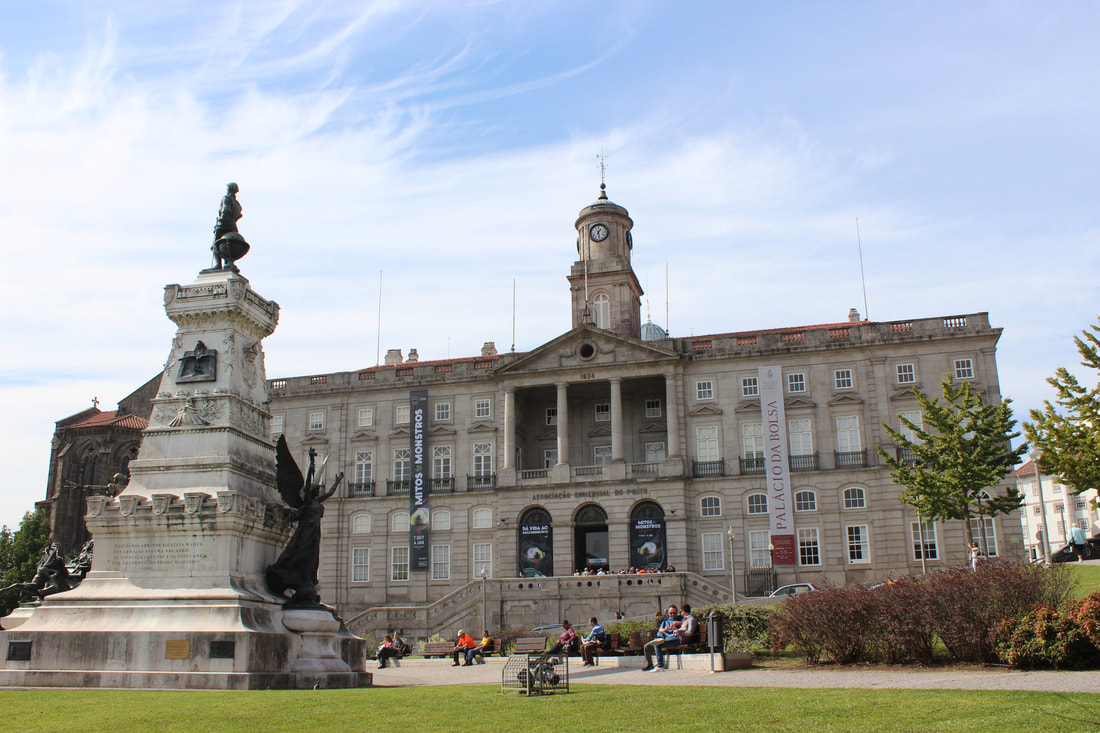
The Stock Exchange palace is another historic landmark of Porto. Beautiful on the inside and out, this 19th Century Neoclassical style is open to the public via tours of the building. Built in 1834, the building was burnt down during the Liberal Wars. Inside explore a variety of finely decorated rooms, all with a certain theme including the Golden Room, Assembly Room and the Arab Room. Many people gaze at the awe-inspiring marble and granite staircase and the courtyard, Pátio das Nações. 
Picture
Porto Wine Museum
Porto is the birthplace for Port wine. Located in an old 18th Century Warehouse building, this museum showcases the heart and soul of Porto's viniculture, which dates back to the 17th Century. Since that time Port is the main wine exported in Portugal. In the museum, discover the past and present knowledge of wine from it's history to its production. Guests discover historic bottles and labels, some as old as 200 years. 


Centro Português de Fotografia - Photography Museum
​Housed in a former 18th Century prison, the photography museum features a variety of portraits and images. Each floor of the museum homed different classes, women on the second floor and higher ranks on the top floor. Today, the old cells have been refurbished as rooms where photographs are displayed.

Porto Tram Museum
​Taking a ride on the historic tram is on the top of every traveler's list. Discover more about the history of the tram and Porto's transportation. Located in a former thermoelectric power station nearby the Douro, the collection features 16 electric cars, 5 trailers and two maintenance vehicles.  


This Lemon Tree article is now featured on GPSmyCity.  To download this article for offline reading or travel directions to the attractions highlighted in this article, go to 7 Museums You Must Visit in Porto, Portugal.  

Let's Connect! 
4 Comments

The Best Places to Explore in Porto, Portugal on Foot

12/9/2018

2 Comments

 
Tourism in Porto is on the rise. A once quiet, small Portuguese town now bustles with the same popularity as in Lisbon. Historic indeed, there is plenty to explore throughout the Porto streets. Whether it's the local ceramic scene or a historic train station, these are some of the must-explore places in Porto while on foot. 
Picture
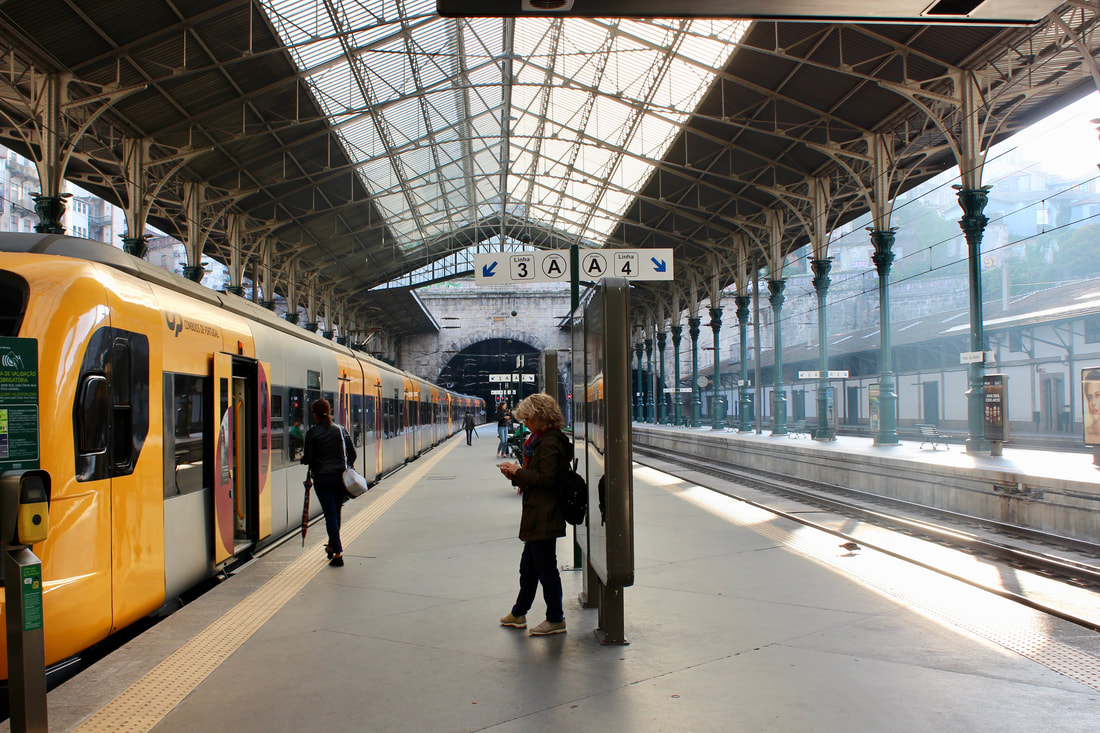
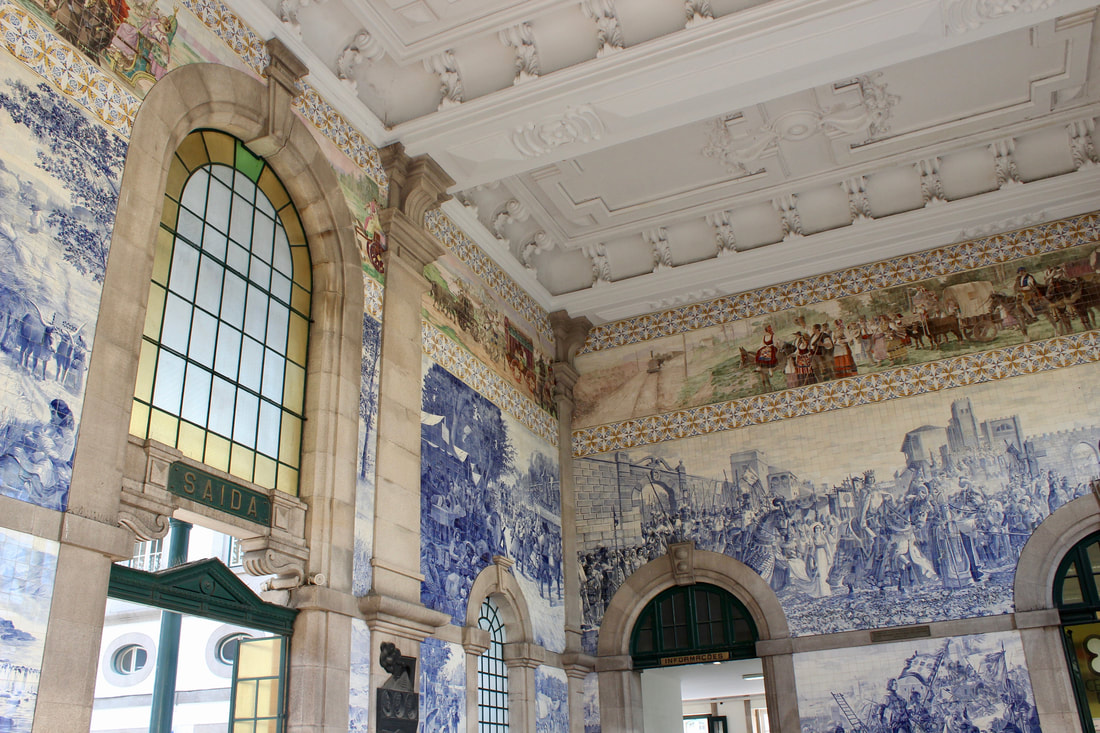
São Bento Railway Station
This monumental train station is a must-see even if you don't plan to use the station.
 The first train arrived in 1896, but officially inaugurated in 1916. On the walls are "azulejos," or Portuguese tiles, depicting various scenes from the country's history. Since 1916, around 20,000 tiles lay on the walls thanks to the artistic creation of Jorge Colaço. Today travelers from all over the globe come to admire the detailed tile work inside the train station. It feels like stepping back into time. 
Picture
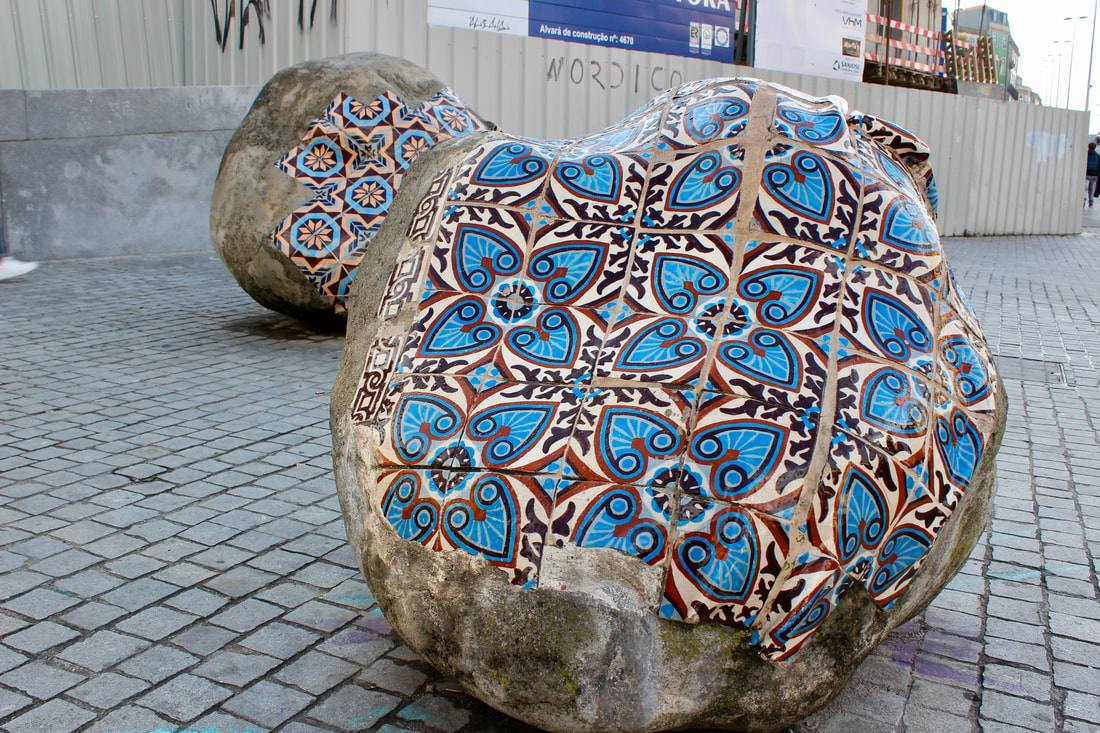
Portuguese Tile Work 
Besides the facade of churches and local buildings, discover the beauty of the Portuguese tile work in random places, like these boulders just outside of the
São Bento train station. The Igreja de Santo António dos Congregados adjacent to Sao Bento is proof of the marvelous art depicted in the tile art. 
Picture
Religious History + Porto Cathedral
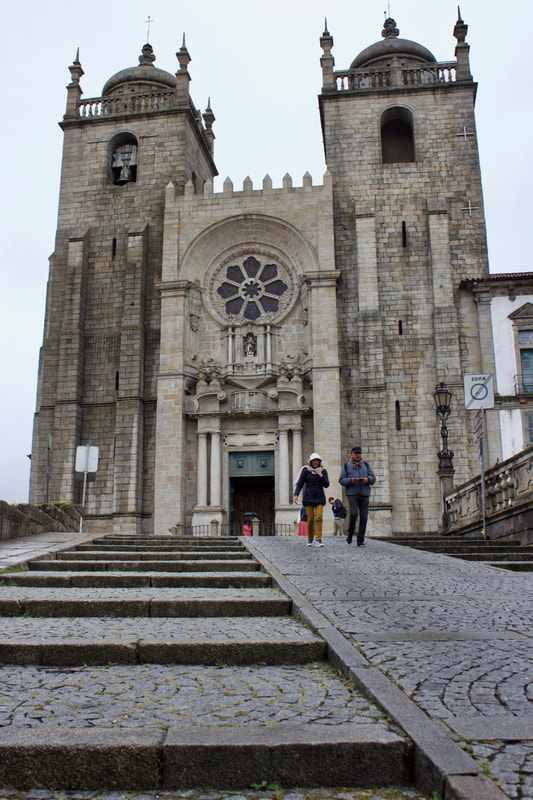
Footsteps from São Bento is Porto's main religious landmark and cathedral. Se Cathedral 
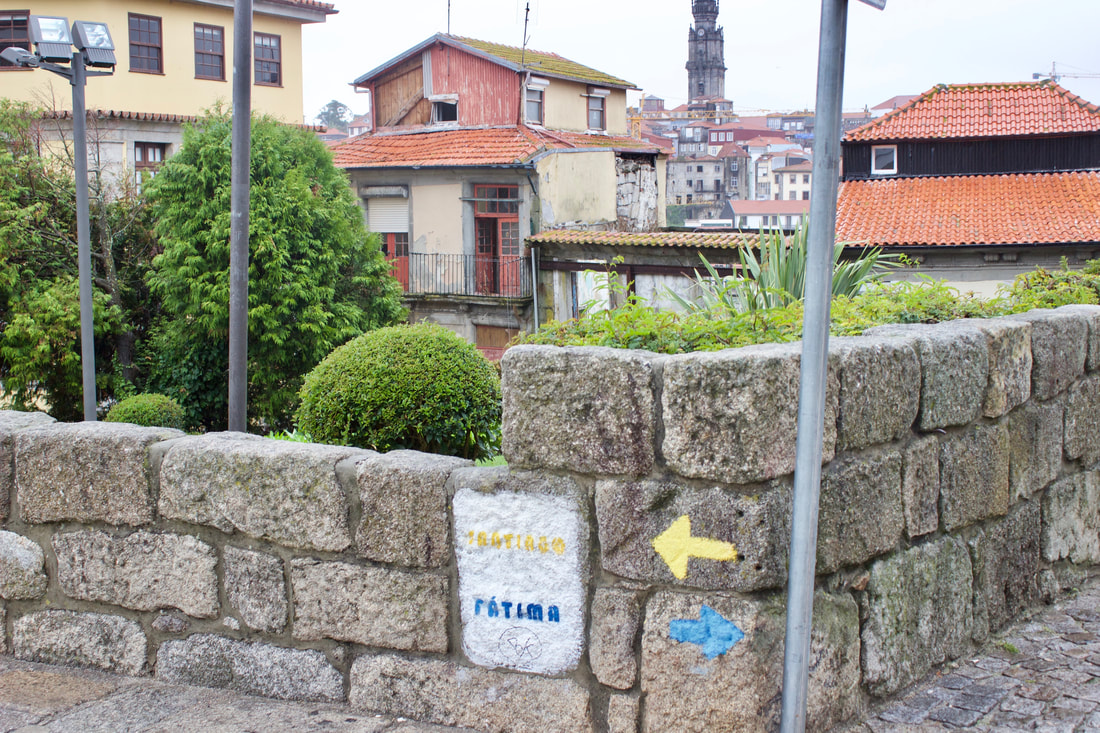
is also the starting point for many pilgrims who will walk from Porto, Portugal to Santiago de Compostela, Spain. Inside, pilgrims purchase their passport and outside many snap photos in front of the church and the arrows pointing in the direction of walking north to Santiago or south to Fatima. 

Built on the highest point in Porto, construction began in the 12th Century. Mainly Baroque, the Cathedral features various architectural styles due to getting various "face lifts" throughout the centuries. One interesting fact is that the Cathedral sits on a square, which contains a column in the center. Criminals were once hung from this column.

The Cathedral area is a great place to get lost on foot, meandering through ancient city streets overlooking the river. 
Picture
Discover more about Porto's religious and historical sites with these other Lemon Tree Travel blogs. 
9 Historical Attractions You Can't Miss in Porto, Portugal

​
7 of the Most Notable Churches & Cathedrals in Porto, Portugal
Picture
Picture
Picture
Architecture, Shopping + Ceramics
Adjacent to Sao Bento is one of Porto's most historic and luxurious streets, Rua das Flores. Still historic, this street has seen a modern face lift throughout the last couple years. The street originated in 1521 and earned it's title thanks to the many gardens located on the street. Aristocrats settled here throughout time, becoming one of the most luxurious streets in Porto, and it still is today. 

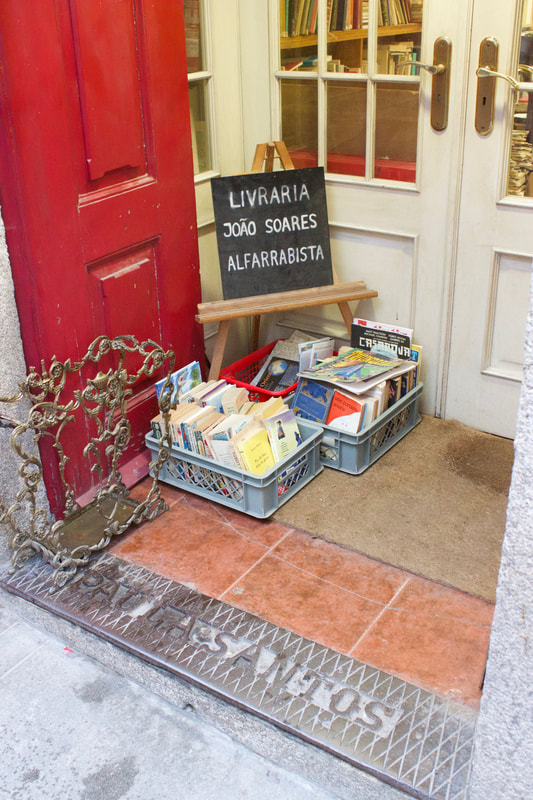
Whether you're searching for an antique book shop or to enjoy a cup of coffee on an 19th Century sofa, you can do so on flower street. Many high end, modern restaurants are popping up, but luckily the street hasn't lost its character yet. The street features civil architecture and baroque styles dating between 17-19th Century. There are plenty of handmade shops, so travelers can take a piece of Porto home with them. 

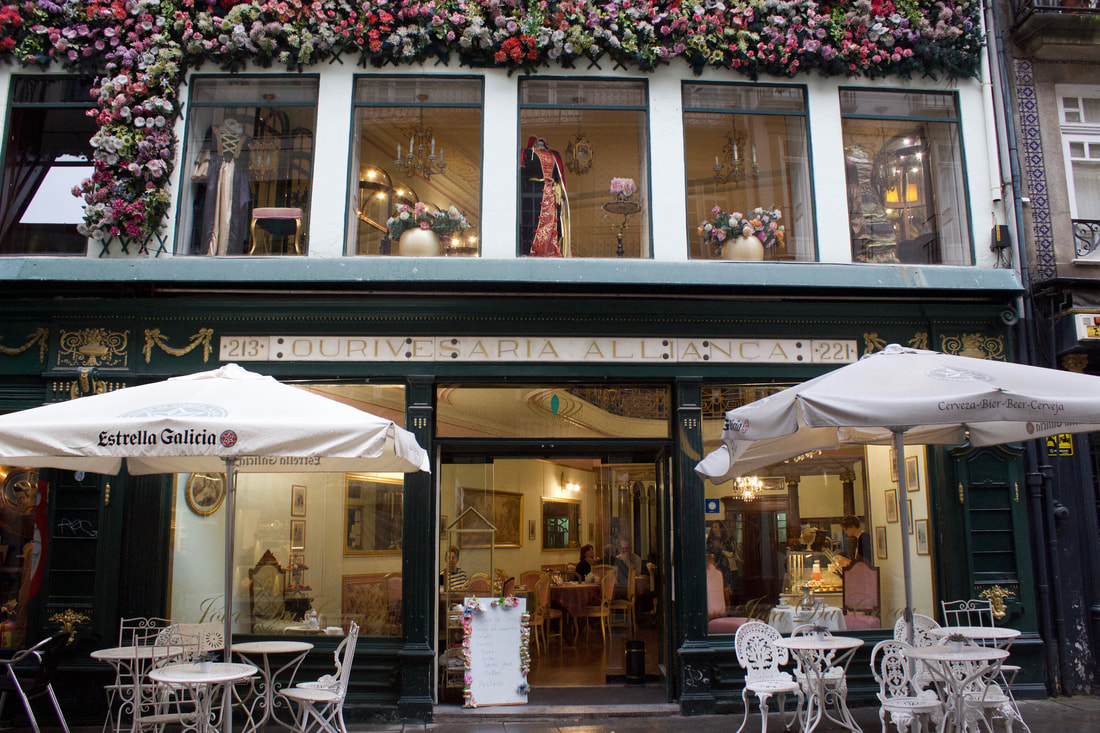
 I recommend tea or lunch at Joia da Coroa, as seen in the top image. Originally the Goldsmith Alliance building, this cafe and jewelry shop is a blast from the past.


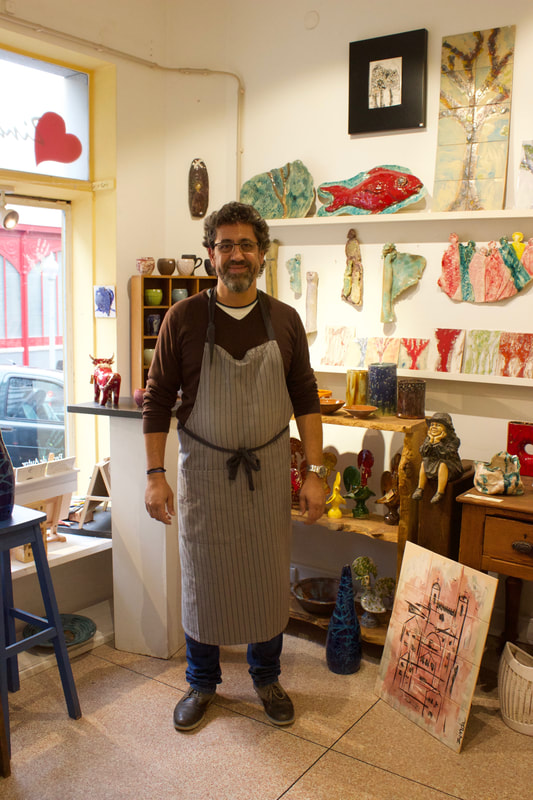
A stone's throw away from Rua de Flores is Rua de Ferreira Borges. Located here is my favorite ceramic shop in Porto. Ceramics is one of Portugal's longest and most historic professions. Zinda Atelier is one ceramic shop you must explore while in Porto. Operated by a brother a sister, the sister makes the ceramics while the brother focuses on the business. They feature a variety of household ceramics and paintings as well as jewelry. 

I bought a ceramic sparrow in October 2015, and during my divorce I broke the necklace. I began my Portuguese Way Camino journey in October 2018 and was able to pick up a few of the necklaces, which only cost 5 euros a piece. 
Picture
Explore the Local Cuisine
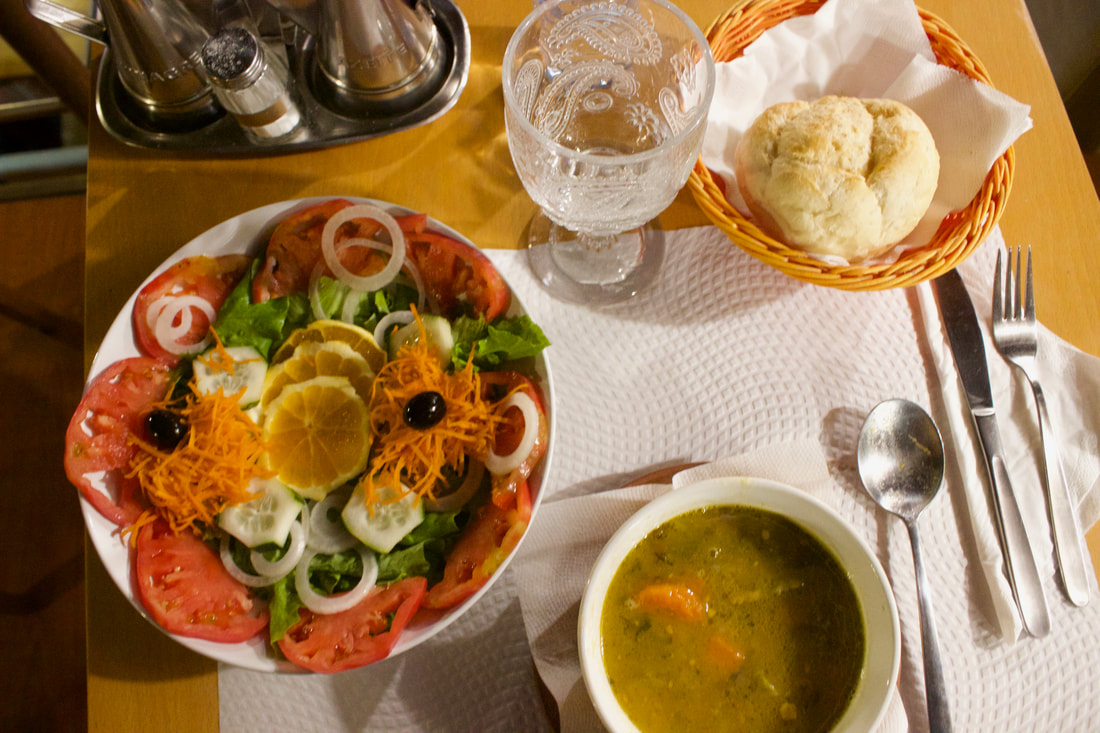
No trip to Porto is complete without exploring the local cuisine. I only eat plant-based foods so while I cannot recommend any meat or seafood, Porto is a fantastic place for vegetarian and some vegan cuisine. Most places have a Portuguese salad, which contains oranges and a vegetable soup. The soup is consistent throughout the country, but each region may slightly alter the original recipe depending on produce availability.

I recommend Cris Bar for a modest Portuguese experience with fair prices and  Port wine. There are countless places to explore the viniculture in Porto. Many "hole in wall" places sell a glass for 1.50-2.50 euros. Most wineries are across the bridge and along and nearby Avenida Diogo Leite. 
Picture
Explore the Rio Douro
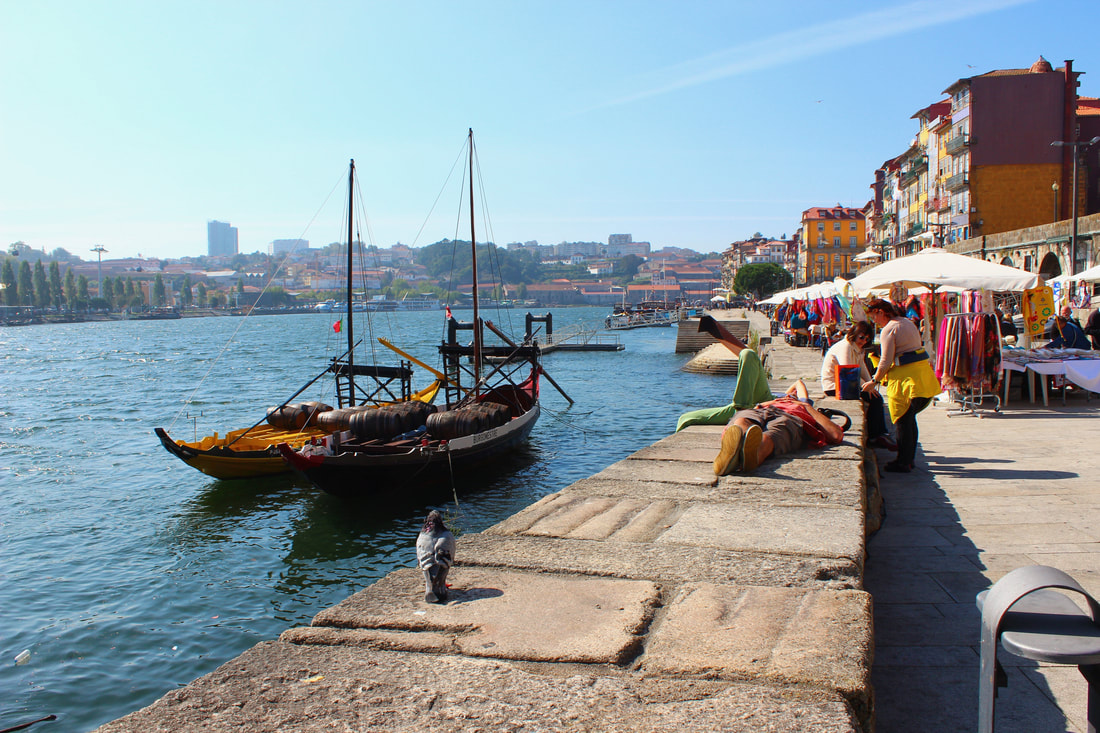
A few minutes from Cris Bar is the waterfront and Rio Douro. Here you'll discover plenty of cafes, shops and souvenir stands. The street side cafes are a popular place to enjoy a glass of Port wine, and some visitors marvel at the historic boats or simply take a nap on the river wall. For a traditional meal with a. view, try the Restaurante Merceraria, which also serves vegetarian soup and salad.  
Picture
Discover the Luis I Bridge
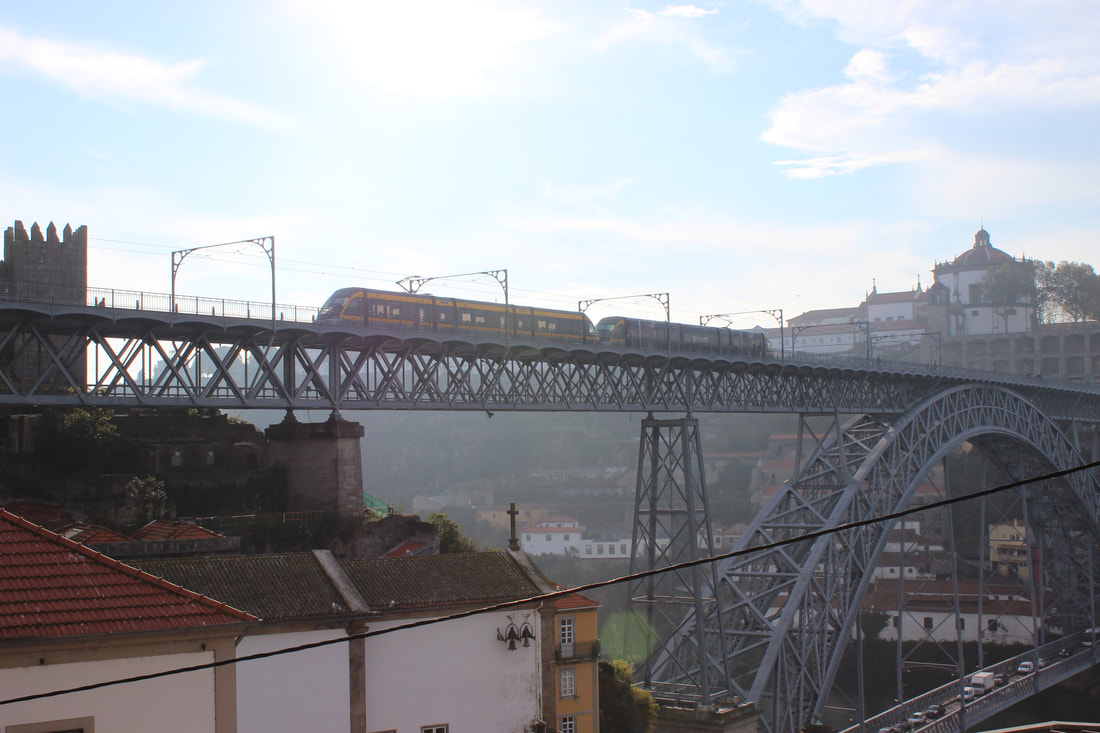
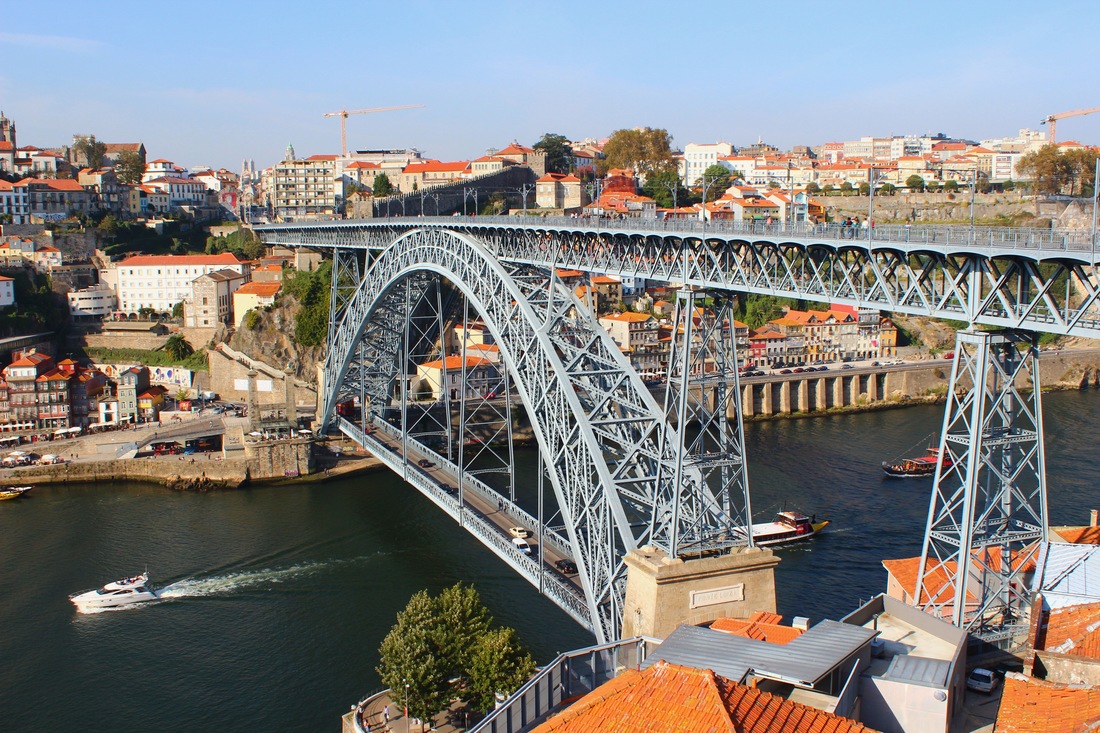
Whether on foot or tram, cross the Rio Douro to explore the other side of Porto. The bridge features photogenic spots on both sides of the city. From Jardin do Morro head to the riverfront where the majority of wineries operate. For a taste of art, class and history explore Ramos Pintos, a winery established in 1880. 
Picture
The scenic riverfront meanders towards Castelo where you'll discover additional lookout points over the city. Back on the other side of the river, The Port Wine Museum is a place for viniculture lovers to explore. 
Picture
Historical Trams of Porto
If walking isn't an option, explore Porto by tram. In the main part of town, take the historic tram to Porto's seaside. 

I prefer walking. It's the best way to see Porto.  But, I  suggest taking the trolly to Porto's seaside community known as "Foz do Douro." Constructed in 1895, the vintage trams have been restored, and the squeaks and squawks are loud but worth the experience and the 2.50 euros ticket. 

Picture
Picture
Picture
Pergola de Foz
If Porto isn't laid back enough, wait until you explore the relaxing vibes of Foz do Duoro. The tram terminates next to the seaside and from here, walk a few kilometers toward Pergola, past murky waters crashing on top of shoreline boulders. Inspired by Nice's Promenade de Anglais, the mayor's wife was so enchanted by Nice's walkway that she motivated the contraction in the 1930's. Known as the "
Praia dos Ingleses," symbolizes the close relationship Portugal has with the British. ​This neighborhood is known for its peace and quiet with several beachside cafes available. 
Picture
Jardim Botanico do Porto + Arrabida District
If Porto isn't already beautiful enough. Nature lovers get lost in the local botanical garden. A 19th-Century mansion sits amidst am arboretum equipped with ponds, paths and peacocks. Discover a myriad of gardens such as: the succulent plants garden, the schist garden, the fish garden, the bronze boy garden, and the “J” garden. 

The Arrabida District contains Porto University so here travelers will discover a young, vibrant crowd, walking the streets and enjoying the local cafes. 


Where is your favorite place to discover Porto on foot? Be sure to check out our other Porto blogs: 
9 Historical Attractions You Can't Miss in Porto, Portugal
​
7 of the Most Notable Churches & Cathedrals in Porto, Portugal

This Lemon Tree article is now featured on GPSmyCity.  To download this article for offline reading or travel directions to the attractions highlighted in this article, go to The Best Places to Explore in Porto, Portugal on Foot.  
2 Comments

7 of the Most Notable Churches & Cathedrals in Porto, Portugal

12/4/2018

1 Comment

 
Picture
Whether you are looking enlightenment or historical artifacts, Porto features countless places of worship, with 30 main churches to be exact. Services are offered throughout the day with some churches closing during the mid-afternoon. Although Braga is Portugal's religious epicenter, Porto is not too far behind with its religious and spiritual history rooting to the Catholic faith. These are some of the most prominent spots in Porto, so travelers with limited time should make these churches a priority above the rest. 
Picture
Church of Santo António dos Congregados
Known as Igreja de Santo António dos Congregados, this Catholic church is adjacent to the Sao Bento train station and a short distance to Porto's main cathedral. Named after Saint Anthony, he was a 12th Century saint from Lisbon who was known for his preachings. Built in the 17th Century, locals used a different chapel in 1662 that was the seat of the Confraria de Santo António de Lisboa, but this construction terminated in 1680. The exterior captivates locals and travelers alike with its traditional blue and white tiles depicting scenes from Saint Anthony's life, which ironically also matches the sky. The Baroque facade also features a statue of Saint Anthony. 
Picture
Picture
Picture
Porto Cathedral
Sé Cathedral is the most important cathedral and religious building in Porto. This is also the starting point for many pilgrims who will walk from Porto, Portugal to Santiago de Compostela, Spain. Inside, pilgrims purchase their passport and outside many snap photos in front of the church and the arrows pointing in the direction of walking north to Santiago or south to Fatima. 

Built on the highest point in Porto, construction began in the 12th Century. Mainly Baroque, the Cathedral features various architectural styles due to getting various "face lifts" throughout the centuries. One interesting fact is that the Cathedral sits on a square, which contains a column in the center. Criminals were once hung from this column. 

Entrance into the cathedral is free, but three euros to visit the cloister, a place of the Cathedral's most prized possessions. 
Picture
Clérigos Tower
The main Porto Cathedral features several lookout points over the city. In the distance, one notices a large spire towering above the rest of the city. This religious place of worship was built between 1754 and 1763 by Nicolau Nasoni. The76-meter tower features six floors and 255 stairs that leads to the top of the tower. At the top, there is a 360-degree, birds-eye view of the city. 
Picture
St. Lawrence Church
The Porto Cathedral features a viewpoint overlooking the Doruro and Ribeira. Here travelers marvel at the towers of the St. Lawrence Church. Known as Convento de São Lourenço, the locals refer to this church as Igreja dos Grilos, meaning Cricket’s Church. This name came about as when the Jesuits settled in Lisbon in the 16th Century they established their headquarters on Rua do Grilo (Cricket Street). The Jesuits congregated to Porto in 1577 to construct a new church. The locals joked about the origins of the priest, naming them Padres Grilos (Cricket Priests). This 16th Century Baroque church also contains pieces of Roman history. 
Picture
The Carmo Church
The Carmo and Carmelitas are two  churches separated by one of the world's most narrow houses, a place to separate the nuns and the monks. The classical facade looks traditional, but what makes this church unique is the blue and white Portuguese tile on the Carmo side of the building. Constructed in the 18th Century with baroque architecture, the church was used as barracks during the French invasion between 1808-1814. ​
Picture
Sao Francisco Church
From the exterior, what looks like an ordinary church is home to something extraordinary once you walk inside the 13th Century church. Construction began in 1244, and throughout the years of reconstruction architects integrated Gothic and Baroque designs. Covered in gold, this maybe one of the most precious churches in all of Europe. The museum housed in the catacombs features ancient remains of past monasteries.

Church of Santa Clara
Located near 
the Fernandina Wall, and the Guindais Funicular, this old-stone church is a Baroque masterpiece. Construction began in the 15th Century, with an original Gothic facade. The Renaissance era made several changes including wood work and a portal.  

Want to discover more about Porto? Check out my popular, 9 Historical Attractions You Can't Miss in Porto Blog, or follow my Camino de Santiago journey where I started in Porto on Youtube. 


This Lemon Tree article is now featured on GPSmyCity.  To download this article for offline reading or travel directions to the attractions highlighted in this article, go to 7 Most Notable Churches and Cathedrals in Porto, Portugal.
1 Comment
<<Previous
Forward>>

    Author

    Elizabeth Rae Kovar is a Fitness Trainer, Author of Finding Om, Presenter, Yogi, Vegan & lover of the World. View her portfolio at www.elizabethkovar.comor health-based blog at mindbodysoul-food.com

    Picture
    Follow
    View my profile on LinkedIn

    Archives

    July 2023
    May 2023
    January 2023
    August 2022
    April 2022
    March 2022
    January 2022
    October 2021
    September 2021
    August 2021
    June 2021
    May 2021
    April 2021
    March 2021
    February 2021
    January 2021
    December 2020
    September 2020
    August 2020
    July 2020
    June 2020
    May 2020
    April 2020
    February 2020
    January 2020
    December 2019
    October 2019
    September 2019
    August 2019
    July 2019
    June 2019
    May 2019
    April 2019
    March 2019
    February 2019
    January 2019
    December 2018
    November 2018
    October 2018
    September 2018
    August 2018
    July 2018
    May 2018
    April 2018
    March 2018
    February 2018
    January 2018
    October 2017
    September 2017
    August 2017
    July 2017
    June 2017
    May 2017
    April 2017
    March 2017
    February 2017
    January 2017
    December 2016
    November 2016
    October 2016
    September 2016
    August 2016
    July 2016
    June 2016
    May 2016
    April 2016
    March 2016
    February 2016
    January 2016
    December 2015
    November 2015
    October 2015
    September 2015
    August 2015

    Categories

    All
    Asia
    Austria
    Bali
    Camino De Santiago
    Canada
    Czech Republic
    Denmark
    England
    Estonia
    Europe
    Finland
    France
    Germany
    Greece
    Iceland
    India
    Italy
    Latvia
    Lithuania
    Mexico
    Netherlands
    Poland
    Portugal
    Scotland
    Spain
    Thailand
    Travel Photos
    Travel Shopping
    Travel Story
    Travel Tips
    USA
    Vegan Travel
    Vegan/Veg Food Travel

    RSS Feed

Proudly powered by Weebly
  • Home
  • About
    • Work with Me
    • Partners
  • Blog
  • Books
  • Photo Gallery
    • Photo Journey
  • Contact